I have a confession to make. For years, I was convinced that making authentic Pad Thai at home was a fool’s errand. I’d try, I’d fail, and I’d end up ordering from that Thai place down the street anyway. The one with the grease-stained bag and the mysterious sauce that tasted like sugar and regret. I spent years thinking the magic happened exclusively in those giant, flaming woks in restaurant kitchens. I thought I needed equipment I didn’t have and ingredients I couldn’t pronounce.
Then, last rainy Tuesday, I was stuck inside with a fever and zero appetite for anything but comfort food. I raided my pantry, found some shrimp, a handful of peanuts, and a jar of tamarind paste I’d bought three years ago and completely forgot about. I decided to throw together what I thought would be a mediocre stir-fry. I wasn’t aiming for perfection. I was aiming for edible.
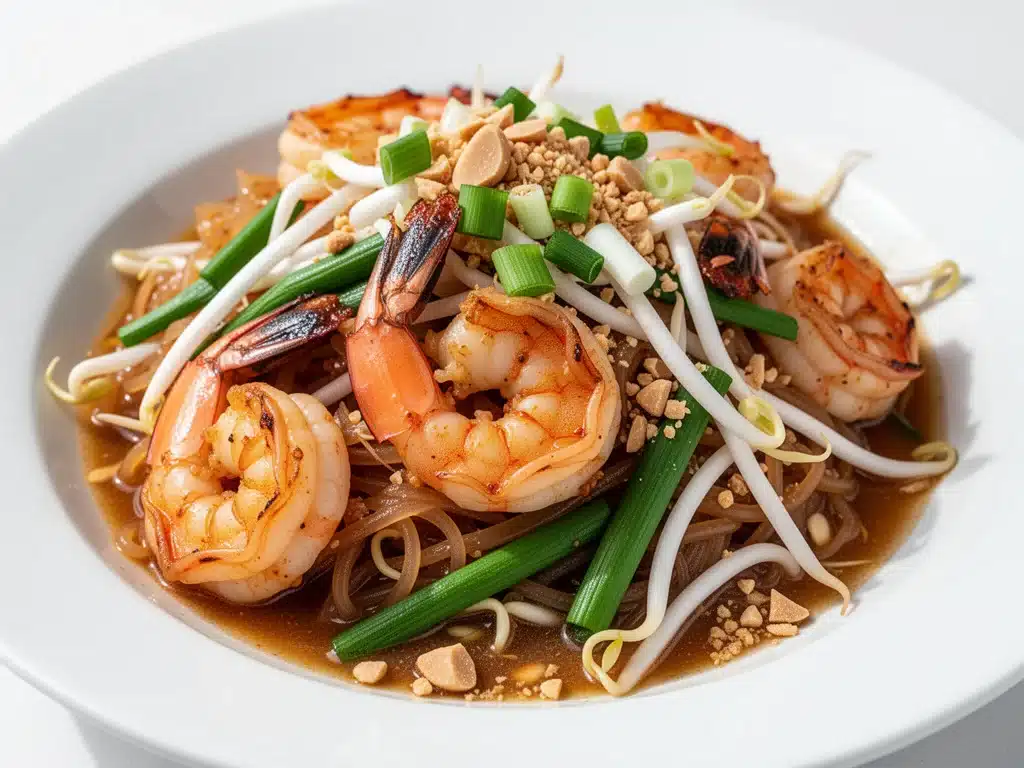
Twenty minutes later, I was staring at a plate of noodles that smelled like heaven. The shrimp were perfectly pink and curled. The noodles were tangled in a glossy, sweet-and-savory sauce that clung to every strand. I took one bite and actually sat down. Not at the table—just on the kitchen floor. It was tangy, spicy, crunchy, and sweet all at once. It tasted like a vacation. It tasted like the best Pad Thai I’d ever had, but made in my own humble kitchen.
Since then, I’ve made this restaurant-style Pad Thai with shrimp better than takeout at least a dozen times. I’ve tweaked the sauce ratios, tested different noodles, and learned exactly how to get those crispy bits without burning the house down. And here’s the best part: it uses just five core ingredients (plus pantry staples you probably already have). It’s faster than delivery, healthier than takeout, and honestly? It’s just better. You control the freshness, the spice level, and the quality of the shrimp. No mystery meat here.
Why You’ll Love This 5-Ingredient Pad Thai Recipe
There are about ten reasons I keep making this, but let’s be real—you don’t need a lecture. You need dinner that works. Here’s why this Pad Thai has completely changed our weeknight routine.
Stupid Simple — Seriously, if you can boil water and chop a green onion, you can make this. I’ve walked my teenage son through it over FaceTime while he was at college. He called me to say he made it without burning it. That’s the highest praise I’ve ever received.
Lightning Fast — 20 minutes from start to finish. And only 10 of those minutes are active cooking. The rest is just waiting for water to boil or sauce to simmer. I make this on weeknights when I get home at 7pm, exhausted and hungry.
Flavor Bomb — This isn’t bland stir-fry. It hits every taste bud: sweet from the palm sugar, sour from the tamarind, salty from the fish sauce, and spicy from the chili flakes. It’s complex, but you don’t need a culinary degree to pull it off.
Texture Paradise — The magic is in the contrast. Soft, chewy noodles. Crisp bean sprouts. Crunchy roasted peanuts. Tender shrimp. It’s a mouthful of crunch and chew in every bite. It’s satisfying in a way that heavy takeout just isn’t.
Pantry-Friendly — You probably have 80% of these ingredients already. The only “specialty” items are tamarind paste and fish sauce, which I keep stocked specifically so I can make this on a whim. Once you have them, they last forever.
This is my go-to when I need dinner to just work. No complicated techniques, no weird ingredients, just reliable, delicious food that makes everyone happy. Even my picky eater husband asks for “the good Pad Thai” when he knows I’m making it.
Ingredients You’ll Need
Here’s the best part: you probably have most of this already. I’m particular about three ingredients here, and I’ll tell you exactly why. This isn’t just a list; it’s a guide to getting the flavor right.
The Noodles
Rice noodles (flat, 6mm width) (8 ounces / 225g) — Look for the package that says “Pad Thai noodles” or “medium flat.” These are the traditional choice. Wide rice noodles work, but they can get gummy if not handled right. I always use the brand called “Thai Kitchen” because they break less and cook evenly. Soak them in warm water while you prep—don’t boil them yet!
The Protein
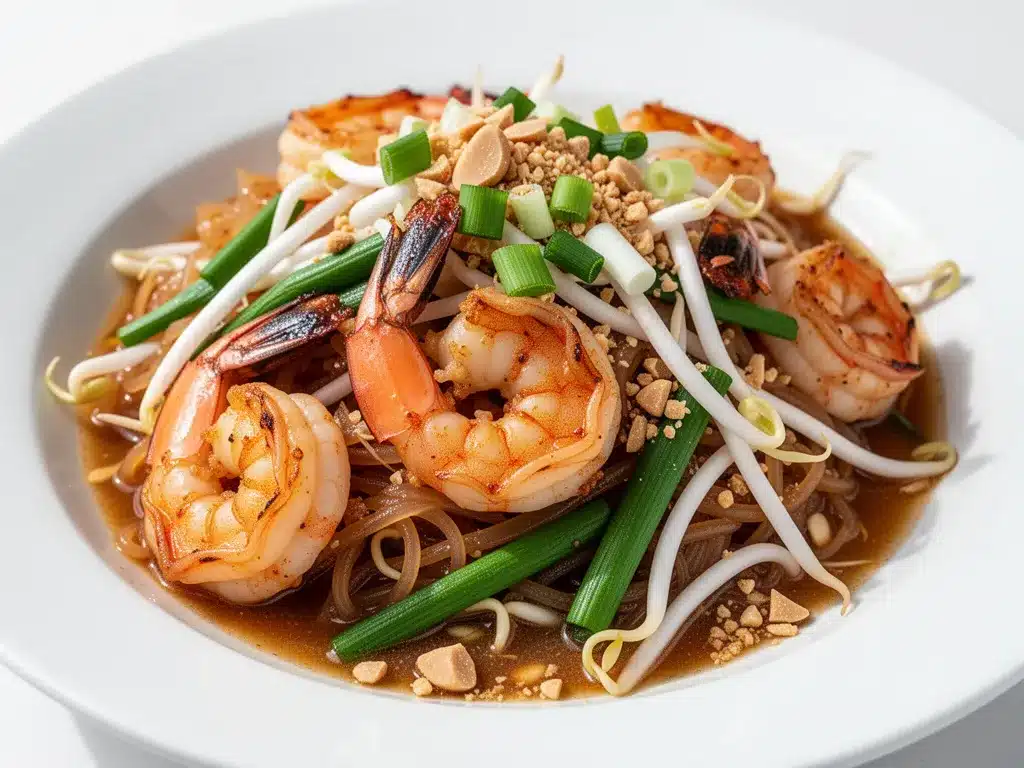
Large shrimp (peeled and deveined) (1 pound / 450g) — Fresh is best, but frozen works fine if you thaw them properly. Pat them dry! Wet shrimp steam instead of sear. I buy them in the shell sometimes for better flavor, but peeling them takes extra time. For weeknights, I just buy the peeled ones. It’s worth the convenience.
The Sauce (The Magic Trio)
Tamarind paste (¼ cup / 60ml) — This is the sour backbone. Don’t use tamarind concentrate from a tube if you can help it; the paste in the block is richer. If you can’t find tamarind, I’ll give you a substitute in the tips, but it won’t be quite the same. It’s the soul of this Pad Thai.
Fish sauce (3 tablespoons / 45ml) — Yes, it smells strong. No, it doesn’t make the dish taste fishy. It adds salty umami depth. I use Red Boat brand because it’s pure and clean. If you hate fish sauce, you’re missing out, but you can use soy sauce or oyster sauce in a pinch (though the flavor changes).
Palm sugar (3 tablespoons / 45g) — Or brown sugar if you must. Palm sugar has a caramel-like, smoky sweetness that white sugar just doesn’t have. It dissolves beautifully into the sauce. I keep a block of it in my pantry. If you don’t have it, light brown sugar is the next best thing.
The Crunch & Freshness
Bean sprouts (2 cups / 60g) — Fresh, crisp bean sprouts are non-negotiable. They add that crucial crunch at the end. I buy them in the produce section, not the dried kind. Wash them well.
Roasted peanuts (½ cup / 60g, roughly crushed) — Unsalted, roasted peanuts. Crush them slightly with a mortar and pestle or just chop them. They add nuttiness and texture. You can use cashews if you prefer, but peanuts are traditional.
Green onions (2 stalks, sliced) — For garnish and a bit of oniony bite. I use both the white and green parts.
The Aromatics
Garlic (3 cloves, minced) — Fresh only. Jarred garlic has no place in this recipe. It tastes metallic and flat.
Eggs (2 large) — Scrambled into the noodles. They add richness and protein. I beat them lightly before adding.
Vegetable oil (2 tablespoons) — For stir-frying. Peanut oil is great if you have it, but any neutral oil works.
Lime wedges — For serving. Fresh lime juice brightens everything up at the very end.
Equipment Needed
You don’t need fancy equipment for this. Here’s what I actually use.
Large Wok or Skillet — I use a 12-inch carbon steel wok. It’s light, heats evenly, and has high sides. If you don’t have a wok, a large non-stick skillet works fine. Just make sure it’s big enough to toss everything without spilling.
Large Pot — For boiling the water to soak the noodles. Any pot will do.
Colander — For draining the soaked noodles. Or just use a slotted spoon.
Sharp Knife — For slicing shrimp and chopping green onions. Dull knives make you cry more—learned this the hard way.
Cutting Board — Any size works. I use plastic for easier cleanup.
Measuring Spoons — For the sauce. Accuracy matters here because the balance of sweet, sour, and salty is key.
Wooden Spoon or Spatula — For stirring. Silicone works too. Don’t use metal on non-stick.
Mortar and Pestle (Optional) — For crushing peanuts. If you don’t have one, just use a knife to chop them. Or put them in a ziplock bag and smash them with a rolling pin.
How to Make It: Step-by-Step
Alright, let’s make this! I’m walking you through exactly how I do it, including the little tricks I’ve picked up.
Step 1: Soak the Noodles (10-15 minutes)
Before you start cooking, put your rice noodles in a large bowl and cover them with warm (not boiling) water. Let them soak until they are soft and pliable but still slightly firm in the center. They should be bendable, not breakable. This step is crucial. If you boil them too much, they turn to mush. If you don’t soak them enough, they stay hard. Check them at 10 minutes. Once soft, drain them and set aside. Toss them with a tiny bit of oil so they don’t stick together.
Step 2: Make the Sauce (2 minutes)
While the noodles soak, mix your sauce. In a small bowl, whisk together the tamarind paste, fish sauce, and palm sugar (or brown sugar). Add 2 tablespoons of warm water to help dissolve the sugar. Taste it. It should be a perfect balance: sweet, sour, and salty. If it’s too sour, add more sugar. If it’s too salty, add a splash more water or a pinch of sugar. This sauce is the heart of the dish, so get it right.
Step 3: Prep the Shrimp (3 minutes)
Pat your shrimp dry with paper towels. Season them lightly with a pinch of salt. Heat your wok or skillet over medium-high heat. Add 1 tablespoon of oil. Once the oil shimmers, add the shrimp in a single layer. Don’t crowd the pan! Cook for 1-2 minutes per side until they turn pink and opaque. Remove them from the pan and set aside on a plate. They will finish cooking later, so don’t overcook them now.
Step 4: Scramble the Eggs (1 minute)
Push the shrimp to the side of the plate (or use a clean spot in the pan if you’re brave). Add another teaspoon of oil. Pour in the beaten eggs. Scramble them quickly, breaking them into small curds. Cook until just set. Push the eggs to the side with the shrimp.
Step 5: Stir-Fry the Aromatics (1 minute)
Add the minced garlic and the white parts of the green onions to the pan. Stir-fry for 30 seconds until fragrant. Be careful not to burn the garlic—it turns bitter instantly. If the pan looks dry, add a splash more oil.
Step 6: Combine Everything (3 minutes)
Add the soaked and drained noodles to the pan. Pour the sauce over the noodles. Using tongs or two spatulas, toss everything together. The noodles will absorb the sauce quickly. Cook for 2-3 minutes, tossing constantly, until the noodles are heated through and coated in the glossy sauce. If the noodles seem dry, add a splash of water. If they’re too wet, cook a minute longer.
Step 7: Add the Crunch (1 minute)
Turn off the heat. Add the bean sprouts and half of the crushed peanuts. Toss everything together one last time. The residual heat will wilt the bean sprouts slightly but keep them crunchy. Taste and adjust seasoning if needed. Add more fish sauce for saltiness or lime juice for tang.
Step 8: Serve
Serve immediately on plates or in bowls. Top with the remaining peanuts, green onion tops, and a generous squeeze of fresh lime. Serve with lime wedges on the side. Eat it while it’s hot and steaming.
Total Time: About 20 minutes (10 minutes active, 10 minutes mostly hands-off soaking)
Expert Tips & Tricks
Here’s everything I’ve learned from making this dozens of times. These tips will save you from my mistakes.
Don’t Boil the Noodles
This is the #1 mistake people make. Soaking is key. Boiled rice noodles are mushy and break easily. Soaked noodles are chewy and hold their shape. If you’re in a hurry, you can boil them for 1 minute, but they will be softer. I prefer the chewy texture of soaked noodles.
High Heat is Your Friend
Pad Thai is a stir-fry. It needs high heat to get that “wok hei” (breath of the wok) flavor. If your stove doesn’t get hot, preheat the pan for 5 minutes before adding oil. Don’t be afraid of a little smoke.
Balance the Sauce
The sauce should taste slightly too sweet and too sour before you add it to the noodles. The noodles and proteins will balance it out. If you taste the sauce and it’s perfect, it will be bland once cooked. Trust me.
Pat the Shrimp Dry
Wet shrimp = steamed shrimp. You want seared shrimp. Use paper towels to remove all excess moisture before cooking. This ensures a nice brown crust.
Add Bean Sprouts at the End
If you add bean sprouts too early, they get soggy. Add them right before you turn off the heat. They should remain crisp and fresh.
Common Mistakes (and how to avoid them):
- Mistake: Sauce is too watery — Fix: Cook the noodles longer in the sauce to absorb it, or add a teaspoon of cornstarch mixed with water to thicken it.
- Mistake: Noodles are sticking together — Fix: Toss them with a little oil after draining. Don’t let them sit in a pile.
- Mistake: Everything is too salty — Fix: Add more sugar or lime juice to balance it. Or add more plain noodles.
Variations & Substitutions
Once you’ve nailed the basic version, here’s how you can mix it up. I’ve tried all of these.
Chicken Pad Thai
Swap shrimp for sliced chicken breast. Marinate the chicken in a little fish sauce and cornstarch for 10 minutes before cooking. It stays tender and juicy.
Tofu Pad Thai (Vegetarian)
Use firm tofu, pressed and cubed. Fry the tofu first until golden, then set aside. Follow the rest of the recipe. Use soy sauce instead of fish sauce if you want it vegan.
Shrimp and Chicken Combo
Why choose? I often use half shrimp and half chicken. It’s luxurious and filling. Cook them separately and combine at the end.
No Tamarind? No Problem.
If you can’t find tamarind paste, mix 2 tablespoons of lime juice with 1 tablespoon of brown sugar and 1 teaspoon of honey. It’s not authentic, but it’s tangy and sweet enough to work in a pinch.
Gluten-Free
This recipe is naturally gluten-free! Just make sure your fish sauce and tamarind paste are certified gluten-free (some brands add wheat). Use rice noodles, not wheat noodles.
Dairy-Free
This recipe is naturally dairy-free. No butter or cream involved.
Serving & Storage
How to Serve:
I usually serve this straight from the skillet at the dinner table—it looks rustic and stays warm. But here are other ways I’ve enjoyed it:
- Sides: Simple cucumber salad with vinegar and sugar. Or a bowl of hot and sour soup.
- Toppings Bar: Extra peanuts, bean sprouts, chili flakes, lime wedges. Let everyone customize their bowl.
- Wine Pairing: A crisp Riesling or a light Pinot Grigio cuts through the richness of the noodles and shrimp perfectly.
Storage Instructions:
Refrigerator: Store in an airtight container for up to 3 days. The noodles will absorb more sauce, so they might get dry.
Reheating: Best method: Add a splash of water to a skillet, add your leftover Pad Thai, and heat gently over medium heat, stirring frequently. The water rehydrates the noodles. Microwave sort of works but tends to make noodles rubbery. If you do microwave, definitely add a splash of water first and heat in short bursts, stirring between.
Freezing: Honestly, this doesn’t freeze well. The bean sprouts turn mushy, and the noodles get weird. Make it fresh or store in the fridge for up to 3 days.
Nutrition Information
I’m not a nutritionist, but here’s the breakdown if you’re tracking.
Per Serving (based on 4 servings):
- Calories: 450
- Protein: 25g
- Carbs: 55g
- Fiber: 3g
- Sugar: 12g
- Fat: 15g
- Sodium: 680mg
What’s Good:
– High protein from shrimp and eggs
– Gluten-free naturally
– Quick to make for a balanced meal
What to Know:
– Higher in sodium from fish sauce
– Contains shellfish
– Moderate carbs from rice noodles
My Take:
Look, this is comfort food. It’s not a diet recipe. But it’s way better than takeout, costs less, and I know exactly what’s in it. When I want to make it lighter, I use less oil and more bean sprouts. But usually? I just eat a reasonable portion and enjoy it.
Final Thoughts
So that’s my go-to restaurant-style Pad Thai with shrimp better than takeout! I’ve probably talked your ear off at this point, but when you make a recipe this often, you have a lot to say about it.
This has saved weeknight dinners more times than I can count. It’s my answer to “what’s for dinner” when I’m tired, don’t want takeout, and still want something that tastes really good. My kids are happy, my husband’s happy, and I’m happy because I’m not stressed about cooking.
Make it yours! Try different add-ins, swap in your favorite vegetables, adjust the garlic (though more is always better in my opinion). The best recipes are the ones you adapt to your family’s tastes.
If you make this, drop a comment and let me know what you think! I love hearing how recipes turn out in your kitchen. And if something doesn’t work, tell me that too—I’m here to help troubleshoot.
Happy cooking! And I hope your kitchen smells half as good as mine does right now.
Frequently Asked Questions
Q: Can I use dried rice noodles instead of fresh?
A: Yes! Most rice noodles for Pad Thai are sold dried. Just soak them in warm water for 10-15 minutes until soft. Don’t boil them unless the package says so. Fresh rice noodles (found in the refrigerated section) can also be used, but they cook very quickly—just rinse them in hot water and drain.
Q: What is tamarind paste, and where do I find it?
A: Tamarind paste is made from the pulp of the tamarind tree. It’s sour, tangy, and slightly sweet. You can find it in the Asian aisle of most grocery stores, or in international food markets. Look for the block wrapped in foil or in a jar. If you can’t find it, see the variations section for a substitute.
Q: Why did my noodles stick together?
A: This usually happens if you don’t toss them with oil after draining, or if you let them sit too long before cooking. Always toss soaked noodles with a teaspoon of oil to keep them separate. Also, don’t overcrowd the pan when stir-frying.
Q: Can I make this ahead for a dinner party?
A: Sort of. You can prep the sauce and chop the vegetables ahead of time. But cook the noodles and shrimp fresh right before serving. Rice noodles don’t reheat well, and shrimp overcooks easily. I prep everything the night before, then cook it all in 15 minutes on the day of.
Q: Can I use soy sauce instead of fish sauce?
A: You can, but the flavor will be different. Fish sauce adds a unique umami depth that soy sauce doesn’t have. If you must use soy sauce, use a lower-sodium version and add a dash of mushroom sauce or seaweed for depth. But honestly, fish sauce is worth it.
Q: How spicy is this recipe?
A: The base recipe is mild. I add red pepper flakes only if I want heat. You can add more or less depending on your preference. Serve with extra chili flakes on the side so everyone can adjust their own spice level.
Q: Can I freeze Pad Thai?
A: I don’t recommend it. The bean sprouts turn soggy, and the noodles get chewy. It’s best eaten fresh. If you have leftovers, store them in the fridge for up to 3 days and reheat gently with a splash of water.
Pin This Recipe!
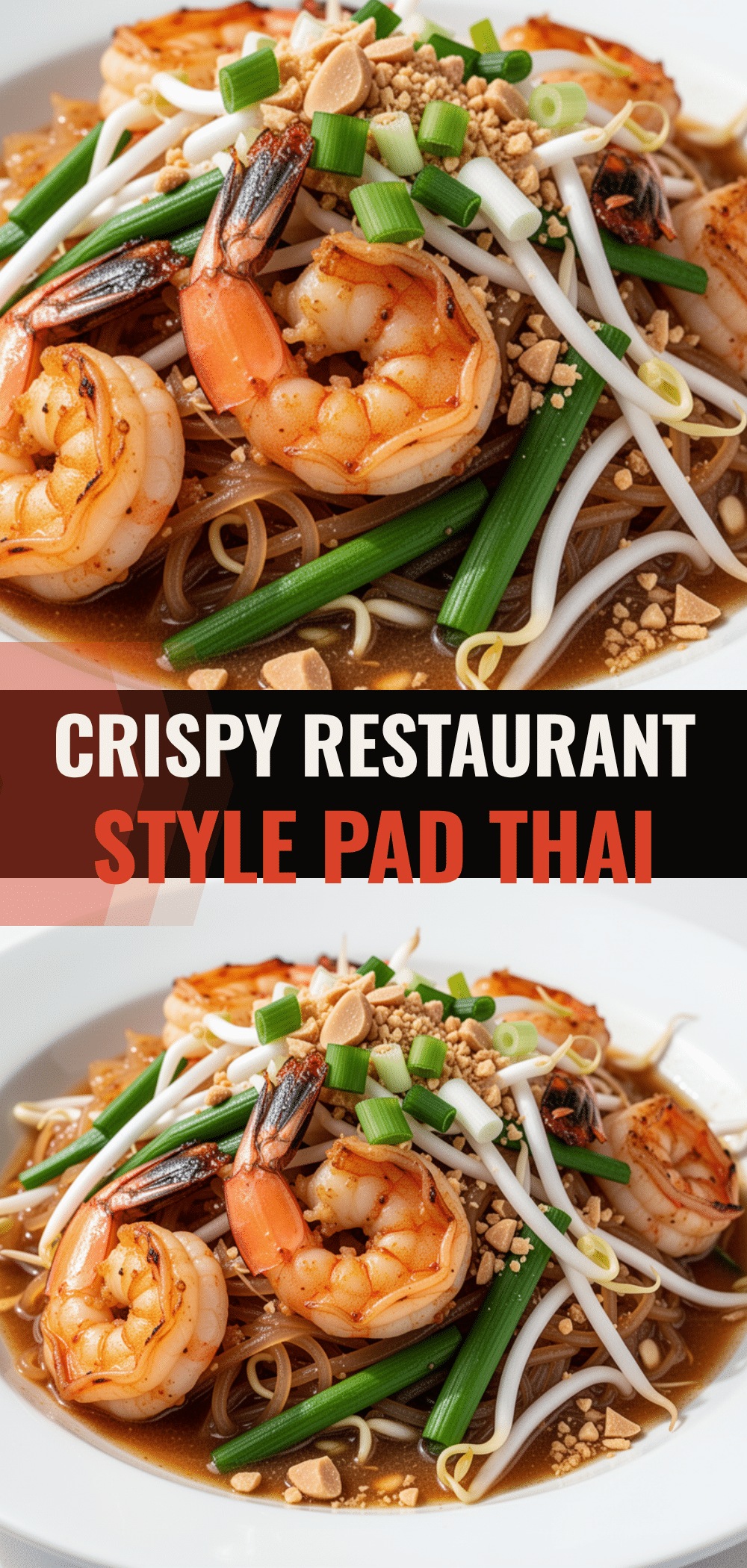
Restaurant-Style Pad Thai with Shrimp: 5-Ingredient Best Recipe
- Total Time: 20 minutes
- Yield: 4 servings 1x
Description
A quick, 20-minute stir-fried noodle dish featuring shrimp, rice noodles, and a tangy sweet-and-savory tamarind sauce. This recipe delivers restaurant-quality flavor at home with simple ingredients and minimal effort.
Ingredients
- 8 ounces (225g) flat rice noodles (Pad Thai noodles)
- 1 pound (450g) large shrimp, peeled and deveined
- ¼ cup (60ml) tamarind paste
- 3 tablespoons (45ml) fish sauce
- 3 tablespoons (45g) palm sugar (or brown sugar)
- 2 large eggs, beaten
- 3 cloves garlic, minced
- 2 stalks green onions, sliced
- 2 cups (60g) fresh bean sprouts
- ½ cup (60g) roasted peanuts, roughly crushed
- 2 tablespoons vegetable oil (or peanut oil)
- Lime wedges for serving
Instructions
- Soak the rice noodles in a large bowl of warm water for 10-15 minutes until soft and pliable but still firm in the center. Drain and toss with a tiny bit of oil to prevent sticking.
- In a small bowl, whisk together the tamarind paste, fish sauce, palm sugar, and 2 tablespoons of warm water. Taste and adjust for a balance of sweet, sour, and salty.
- Pat the shrimp dry with paper towels and season lightly with salt. Heat 1 tablespoon of oil in a large wok or skillet over medium-high heat. Cook shrimp in a single layer for 1-2 minutes per side until pink, then remove and set aside.
- Add another teaspoon of oil to the pan. Pour in the beaten eggs and scramble quickly until just set. Push eggs to the side.
- Add minced garlic and the white parts of the green onions to the pan. Stir-fry for 30 seconds until fragrant, being careful not to burn the garlic.
- Add the soaked noodles to the pan and pour the sauce over them. Toss everything together using tongs or spatulas for 2-3 minutes until noodles are heated through and coated in glossy sauce.
- Turn off the heat. Add the bean sprouts and half of the crushed peanuts. Toss to combine; residual heat will slightly wilt the sprouts while keeping them crunchy.
- Serve immediately, topped with remaining peanuts, green onion tops, and a generous squeeze of fresh lime juice.
Notes
Do not boil the rice noodles; soaking them in warm water ensures a chewy texture. Pat shrimp dry before cooking to ensure they sear rather than steam. The sauce should taste slightly too sweet and sour before adding to noodles, as the noodles will balance it out. Bean sprouts should be added at the very end to maintain crunch. This dish does not freeze well.
- Prep Time: 10 minutes
- Cook Time: 10 minutes
- Category: Main Course
- Cuisine: Thai
Nutrition
- Serving Size: 1 plate
- Calories: 450
- Sugar: 12
- Sodium: 680
- Fat: 15
- Saturated Fat: 2
- Carbohydrates: 55
- Fiber: 3
- Protein: 25
Keywords: Pad Thai, shrimp recipe, Thai noodles, quick dinner, stir fry, restaurant style, gluten-free, 5-ingredient recipe


