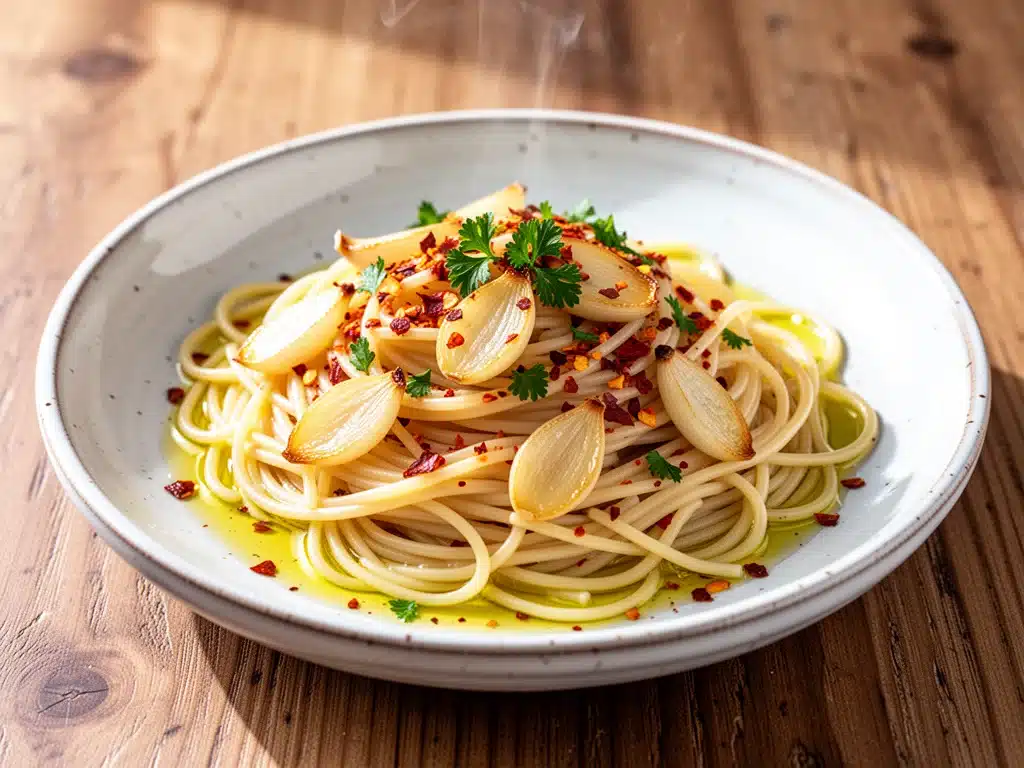
I still remember the exact night I invented this version of pasta aglio e olio. It was a Tuesday in November, the kind of gray, drizzly evening that makes you want to order takeout and forget your own name. I was broke—like, “eating rice with soy sauce for three days” broke. I had exactly one dollar and fourteen cents in my pocket when I got home from work.
Most people would have just gone to bed hungry. But I was stubborn. I raided my pantry, pulling out the usual suspects: a half-empty jar of olive oil, a head of garlic that had started to sprout (I just trimmed the green bits), a box of spaghetti that was slightly past its prime but totally fine, and a tiny packet of red pepper flakes.
I threw it together on a whim. No fancy techniques, no expensive imported ingredients, no stress. Just hot pasta water, sizzling garlic, and enough oil to make it feel luxurious. When I took that first bite, I actually stopped scrolling through food delivery apps. It was simple, yes. But it was also deeply satisfying. It was warm, savory, and smelled like home.
That night, I realized something important: you don’t need a lot of money to eat well. You just need to know how to work with what you have. This cheap pasta aglio e olio has been my lifeline for years. It’s my go-to when the bank account is low, when I’m tired, or when I just want something fast that doesn’t taste like cardboard. It’s the ultimate pantry staple dinner.
Over time, I’ve tweaked it. I’ve added a splash of lemon juice because acidity wakes up the flavors. I’ve toasted the breadcrumbs because crunch is life. But the core remains the same: five ingredients, minimal effort, maximum flavor. If you’re looking for a cheap pasta aglio e olio that actually tastes good, you’re in the right place. Let’s get cooking.
Why You’ll Love This Recipe
I’ve made this dish probably fifty times in the last two years. It’s not just because it’s cheap (though that helps). It’s because it’s reliable. In a world of complicated recipes requiring twelve different spices and a sous-vide machine, this is the breath of fresh air you need.
Here’s why this cheap pasta aglio e olio has earned a permanent spot in my weekly rotation:
- Stupid Simple — Seriously. If you can boil water and chop a clove of garlic, you can make this. I’ve made it while holding a baby, while watching TV, and while half-asleep. It just works.
- Pantry Friendly — You likely have 80% of these ingredients right now. Olive oil, garlic, pasta, red pepper flakes, and maybe some parmesan or breadcrumbs. No trips to the store needed.
- Lightning Fast — 15 minutes from start to finish. That’s it. I time it. It takes less time than it takes to decide what to watch on Netflix.
- Budget Smart — This meal costs about $1.50 to $2.00 per serving. That is cheaper than a bottle of water at the gas station. And it tastes better, too.
- Customizable — Start with this base, then add whatever you have left over. Leftover chicken? Toss it in. Half an onion? Dice it up. A wilted piece of spinach? Throw it in. It’s a blank canvas.
This isn’t just a recipe; it’s a strategy for surviving weeknights without stress or spending. It’s my answer to “what’s for dinner?” when I have no energy and no money. And honestly? It’s often my favorite meal of the week.
Ingredients You’ll Need
Here’s the best part: this cheap pasta aglio e olio relies on ingredients that are cheap, accessible, and versatile. You don’t need anything fancy. In fact, fancy ingredients can sometimes get in the way of the simplicity here.
The Essentials
Spaghetti or Linguine (1 pound / 450g) — I use whatever is on sale. Spaghetti is traditional, but linguine, fettuccine, or even penne work great. The key is long strands that hold the oil well. Check the date, but if it’s only a few months past, it’s fine.
Extra Virgin Olive Oil (½ cup / 120ml) — This is the star of the show. Don’t use the cheapest, darkest oil you can find, but you also don’t need the $20 bottle from Italy. Look for a bright green, fruity oil from California, Spain, or Italy. This oil is both the cooking fat and the sauce base, so taste it raw first. If it tastes bitter, don’t use it.
Garlic (6-8 large cloves, thinly sliced / about 3-4 tablespoons) — Yes, that’s a lot of garlic. But it’s not overpowering; it becomes sweet and mellow when cooked slowly. Thinly slice it, don’t mince it. Minced garlic burns too fast. Sliced garlic toasts evenly. Use fresh garlic only. No jarred stuff. Please.
Red Pepper Flakes (1 teaspoon) — This adds the heat. Adjust to your preference. If you hate spice, use half a teaspoon. If you love fire, go for two. It’s also infused into the oil, so the heat is gentle, not aggressive.
Salt (for pasta water and finishing) — Kosher salt is best. You need a lot for the pasta water, and a little for the oil.
The Optional Upgrades
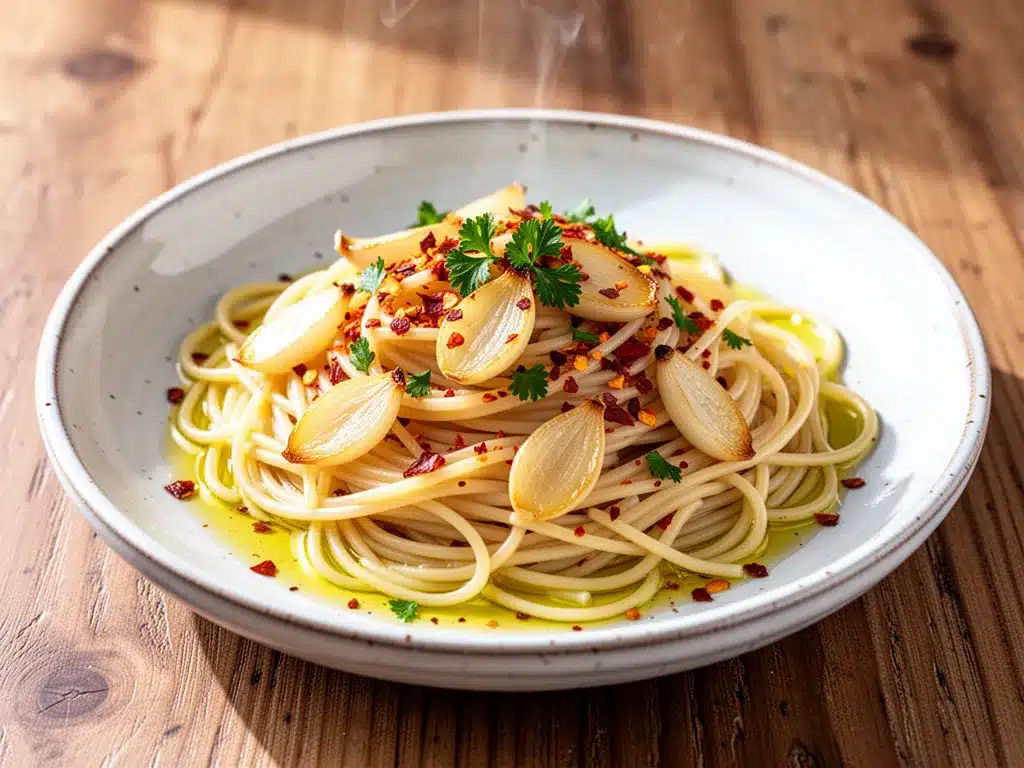
These aren’t necessary for the base recipe, but they add texture and depth. I usually keep these on hand because they elevate the cheap pasta aglio e olio without adding much cost.
Parmesan Cheese (½ cup / 50g, freshly grated) — Buy a wedge and grate it yourself. Pre-grated cheese has cellulose in it, which prevents it from melting smoothly. Freshly grated parmesan adds a salty, umami punch that pairs perfectly with the garlic oil.
Breadcrumbs (½ cup / 50g, panko or regular) — Toasted breadcrumbs add a crucial crunch. I use panko because it stays crispier longer. Toast them in a dry pan or with a little oil until golden brown. This makes the dish feel more complete.
Fresh Parsley (2 tablespoons, chopped) — Adds a pop of color and freshness. It cuts through the richness of the oil. Flat-leaf parsley is better than curly for this.
Lemon Zest (from 1 lemon) — A teaspoon of zest brightens everything up. It’s a secret weapon for making simple dishes taste complex.
Equipment Needed
You don’t need fancy equipment for this. Here’s what I actually use:
Large Pot — For boiling the pasta. A 6-quart pot is ideal, but any big pot works. Just make sure it’s big enough so the pasta doesn’t stick.
Large Skillet or Sauté Pan — This is where the magic happens. I use a 12-inch stainless steel skillet. It heats evenly and lets me control the garlic browning. A non-stick pan works too, but you won’t get as much flavor from the fond (the browned bits) if you use it.
Sharp Knife — For slicing the garlic. A dull knife will crush the garlic instead of slicing it, leading to uneven cooking.
Tongs — For tossing the pasta in the oil. Tongs are better than a fork because they grab more pasta and mix it thoroughly.
Measuring Spoons — For the red pepper flakes and salt. Consistency helps.
Microplane or Grater — For the parmesan and lemon zest. A microplane makes zest so much finer and easier to mix into the oil.
How to Make It: Step-by-Step
Alright, let’s make this! I’m walking you through exactly how I do it, including the little tricks I’ve picked up over the years.
Step 1: Prep Your Ingredients (5 minutes)
Before you turn on the stove, get everything ready. This is called *mise en place*, but I just call it “not burning the garlic.” Thinly slice your garlic. Measure out your red pepper flakes. Chop your parsley. Grate your cheese if you’re using it. Once the water is boiling and the pan is hot, things move fast. Having everything ready means you won’t panic.
Step 2: Boil the Pasta (8-10 minutes)
Bring a large pot of water to a boil. Add a generous amount of salt—about 1 tablespoon. The water should taste like the ocean. If it doesn’t taste salty, the pasta won’t either. Add the spaghetti and cook according to package directions until al dente. This usually takes 8-10 minutes. Important: Before you drain the pasta, scoop out 1 cup of the starchy pasta water and set it aside. This is liquid gold. It will help emulsify the oil and cheese into a sauce that clings to the noodles.
Step 3: Toast the Garlic (3-4 minutes)
While the pasta cooks, heat the olive oil in your large skillet over medium-low heat. Add the sliced garlic and red pepper flakes. This is the most critical step. You want to cook the garlic slowly. If the heat is too high, the garlic will burn and turn bitter. You’re looking for a golden color, not brown. Stir occasionally. It should smell amazing and nutty. If it starts to smoke, turn the heat down immediately. This slow toasting infuses the oil with garlic flavor.
Step 4: Create the Sauce (2 minutes)
Once the garlic is golden and fragrant, add a splash of the reserved pasta water to the skillet. It will sizzle and steam. This helps deglaze the pan and starts the emulsification process. Let it simmer for about 30 seconds. The oil and water will start to combine into a slightly creamy-looking sauce.
Step 5: Combine and Toss (2 minutes)
Transfer the cooked pasta directly into the skillet with the garlic oil. Use tongs to toss everything together. Add the remaining pasta water a little at a time if the sauce looks too thick or oily. You want the sauce to coat the pasta, not pool at the bottom of the bowl. If you’re using parmesan, add it now and toss until melted. If you’re using toasted breadcrumbs, add half of them now and save the rest for topping.
Step 6: Finish and Serve
Remove the skillet from heat. Stir in the chopped parsley and lemon zest if using. Taste and adjust salt if needed. Serve immediately, topped with the remaining breadcrumbs, extra parmesan, and a drizzle of good olive oil. Eat it hot, straight from the pan if you’re feeling indulgent.
Total Time: About 15 minutes (5 minutes prep, 10 minutes cooking)
Expert Tips & Tricks
Here’s everything I’ve learned from making this cheap pasta aglio e olio dozens of times. These tips will save you from my mistakes.
- Low and Slow for Garlic — This is the #1 rule. Burnt garlic is bitter and ruins the dish. Keep the heat low. If your stove runs hot, use a heat diffuser or just be very attentive. You want the garlic to be a light golden blonde, not dark brown.
- Save the Pasta Water — I cannot stress this enough. The starchy water is what turns oil and garlic into a sauce. Without it, you have oily pasta. With it, you have a creamy, cohesive dish. Always save at least 1 cup.
- Toast the Breadcrumbs — If you skip this, you’re missing out. Toasted breadcrumbs add a texture contrast that makes the dish feel restaurant-quality. Toast them in a separate dry pan until golden, then add to the pasta.
- Acid is Key — Garlic and oil are rich and heavy. A little acidity balances it. Lemon zest or a splash of lemon juice at the end wakes up the whole dish. Don’t skip it if you can help it.
- Fresh Garlic Only — Jarred garlic has a sulfurous taste that doesn’t mellow out like fresh garlic does. It tastes sharp and metallic in this dish. Fresh is worth the 2 minutes it takes to peel and slice.
Variations & Substitutions
Once you’ve nailed the basic version, here’s how you can mix it up. I’ve tried all of these.
Protein Add-ins
Shrimp — Sauté 1lb of shrimp in the oil before adding the garlic. Remove, then finish the pasta, and toss the shrimp back in at the end. Adds a nice seafood twist.
Chicken — Use leftover rotisserie chicken. Shred it and toss it in with the pasta. Makes it more filling and turns it into a main course.
White Beans — Add a can of drained cannellini beans when you add the pasta water. They add creaminess and protein, and they absorb the garlic flavor beautifully.
Veggie Boosts
Spinach — Toss in a handful of fresh spinach in the last minute of cooking. It wilts instantly and adds color.
Broccoli — Add florets to the boiling pasta water for the last 3 minutes of cooking. Drain everything together. The broccoli adds texture and nutrition.
Dietary Modifications
Gluten-Free — Use gluten-free spaghetti. Everything else is naturally gluten-free. Just check your breadcrumbs and parmesan.
Dairy-Free — Skip the parmesan. Use nutritional yeast for a cheesy flavor, or just skip it. The dish is still delicious without it.
Vegan — Skip the parmesan and use olive oil (not butter). This recipe is already vegan-friendly if you omit the cheese.
Serving & Storage
How to Serve
I usually serve this straight from the skillet at the dinner table. It looks rustic and stays warm. But here are other ways I’ve enjoyed it:
- Garlic Bread — Obvious choice, but necessary. Soak up the extra oil.
- Simple Green Salad — A light vinaigrette salad balances the richness of the oil.
- Roasted Vegetables — Broccoli, asparagus, or zucchini work well on the side.
Storage Instructions
Refrigerator: Store in an airtight container for up to 3 days. The pasta will absorb the oil, so it might look dry. This is normal.
Reheating: The best method is to add a splash of water or broth to a skillet and heat gently over low heat, tossing until warm. Microwave reheating can make the pasta rubbery. If you must microwave, add a splash of water and heat in 30-second intervals, stirring in between.
Freezing: I don’t recommend freezing this dish. The pasta texture changes, and the oil can separate. It’s best eaten fresh.
Nutrition Information
I’m not a nutritionist, but here’s the breakdown if you’re tracking. This is based on 4 servings.
| Nutrient | Per Serving |
|---|---|
| Calories | 450 |
| Protein | 12g |
| Carbs | 55g |
| Fat | 20g |
| Fiber | 3g |
| Sodium | 300mg |
Look, this is comfort food with olive oil and cheese. It’s not a diet recipe. But it’s way better than takeout, costs less, and I know exactly what’s in it. When I want to make it lighter, I add extra vegetables and reduce the oil slightly. But usually? I just eat a reasonable portion and enjoy it.
Final Thoughts
So that’s my cheap pasta aglio e olio! It’s simple, it’s cheap, and it’s delicious. It’s proof that you don’t need a lot of money to eat well. You just need to know how to use what you have.
This dish has saved me on so many nights. It’s my answer to “what’s for dinner?” when I’m tired, broke, or just lazy. And it’s always a winner. My family loves it, my friends love it, and I love making it.
Make it yours! Try different add-ins, swap in your favorite vegetables, adjust the garlic. The best recipes are the ones you adapt to your tastes.
If you make this, drop a comment and let me know what you think! I love hearing how recipes turn out in your kitchen. And if something doesn’t work, tell me that too—I’m here to help troubleshoot.
Happy cooking! And I hope your kitchen smells half as good as mine does right now.
Frequently Asked Questions
Can I use minced garlic instead of sliced?
You can, but sliced garlic is better. Minced garlic has more surface area, so it burns faster. Sliced garlic toasts more evenly and gets a nice nutty flavor. If you must use minced, keep the heat very low and watch it closely.
Why did my sauce look oily?
This usually happens if you didn’t use enough pasta water or if you didn’t toss the pasta vigorously enough. The starchy water helps emulsify the oil. Add a splash more water and toss until the sauce looks creamy and coats the pasta.
Can I make this ahead of time?
It’s best eaten fresh. The pasta continues to absorb the oil, so it can get dry and stiff. If you must prep ahead, cook the garlic oil and store it separately. Cook the pasta fresh, and toss them together right before serving.
Is this recipe gluten-free?
The base recipe is gluten-free if you use gluten-free pasta. Just check your breadcrumbs and parmesan to ensure they don’t contain wheat.
Can I add butter to this?
Yes! Some people add a tablespoon of butter at the end for extra richness. It’s a nice touch, but not traditional. I usually stick to just olive oil, but butter is delicious too.
How do I store leftovers?
Store in an airtight container in the fridge for up to 3 days. Reheat gently with a splash of water or broth to restore the sauce consistency.
Can I use whole wheat pasta?
Absolutely. Whole wheat pasta has a nuttier flavor that pairs well with garlic and oil. It also has more fiber. Just cook it according to package directions, as it may take a minute or two longer.
Pin This Recipe!
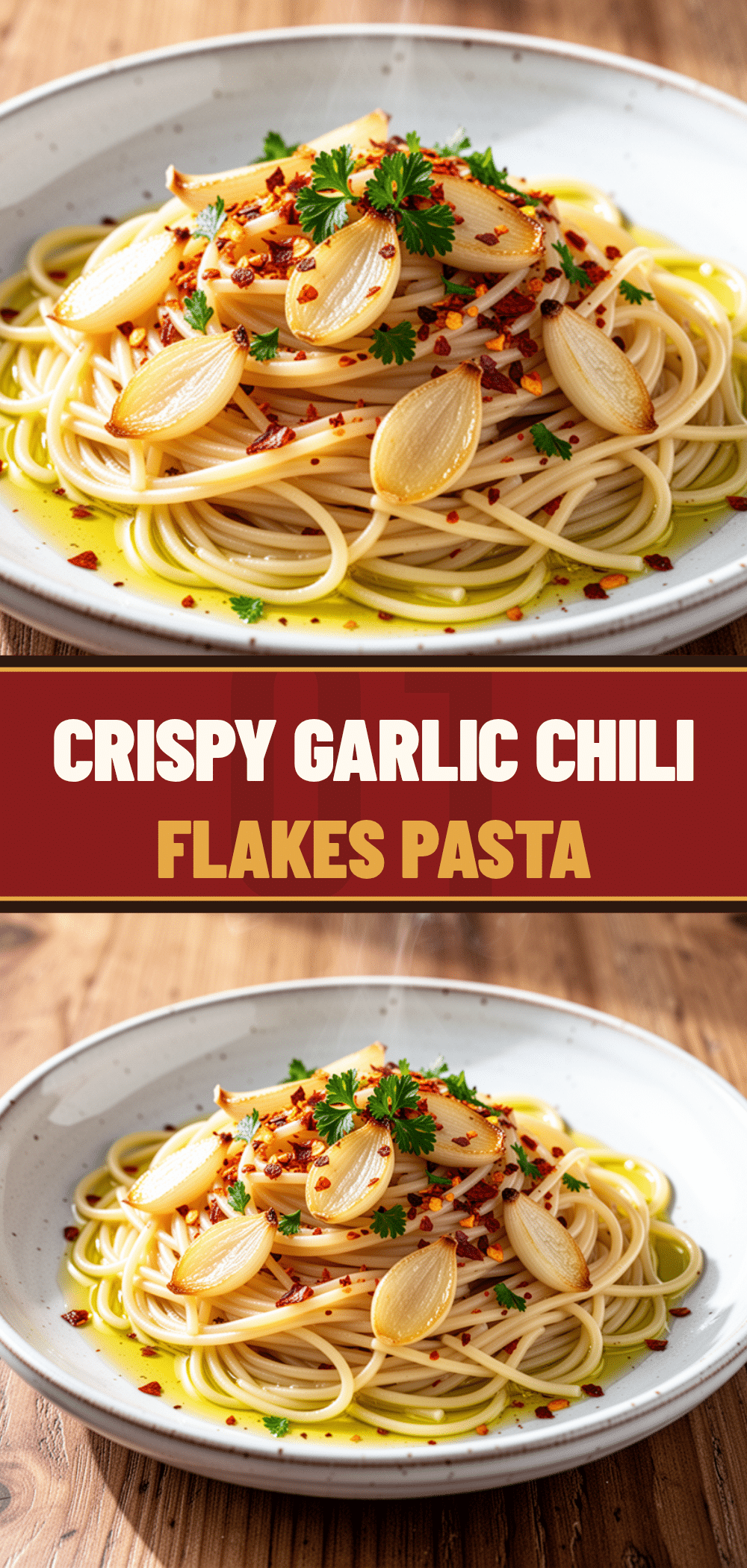
Cheap Pasta Aglio e Olio: 5-Ingredient Easy Dinner
- Total Time: 15 minutes
- Yield: 4 servings 1x
Description
A simple, budget-friendly pasta dish made with just five core ingredients. This recipe relies on pantry staples like olive oil, garlic, and spaghetti to create a flavorful, creamy sauce in under 15 minutes.
Ingredients
- 1 pound spaghetti or linguine
- 1/2 cup extra virgin olive oil
- 6–8 large cloves garlic, thinly sliced
- 1 teaspoon red pepper flakes
- Salt (for pasta water and finishing)
- 1 cup reserved starchy pasta water
- Optional: 1/2 cup freshly grated parmesan cheese
- Optional: 1/2 cup panko or regular breadcrumbs, toasted
- Optional: 2 tablespoons fresh parsley, chopped
- Optional: Zest of 1 lemon
Instructions
- Prep ingredients: Thinly slice the garlic, measure red pepper flakes, chop parsley, and grate cheese if using.
- Boil pasta: Bring a large pot of water to a boil and add generous salt (about 1 tablespoon). Cook spaghetti until al dente (8-10 minutes).
- Reserve water: Before draining, scoop out 1 cup of starchy pasta water and set aside.
- Toast garlic: While pasta cooks, heat olive oil in a large skillet over medium-low heat. Add sliced garlic and red pepper flakes. Cook slowly until garlic is golden and fragrant (3-4 minutes), being careful not to burn it.
- Create sauce: Add a splash of reserved pasta water to the skillet with the garlic oil. Simmer for 30 seconds to help emulsify the mixture.
- Combine: Transfer cooked pasta directly into the skillet. Toss vigorously with tongs, adding more pasta water as needed to create a creamy sauce that coats the noodles.
- Finish: Remove from heat. Stir in parmesan, toasted breadcrumbs, parsley, and lemon zest if using. Taste and adjust salt.
- Serve immediately, topped with remaining breadcrumbs and extra parmesan.
Notes
Use fresh garlic only; jarred garlic tastes metallic in this dish. Toast breadcrumbs separately for crunch. Save at least 1 cup of pasta water to emulsify the sauce. Keep heat low when cooking garlic to prevent bitterness. Best eaten fresh; freezing is not recommended.
- Prep Time: 5 minutes
- Cook Time: 10 minutes
- Category: Main Course
- Cuisine: Italian
Nutrition
- Serving Size: 1/4 of the recipe
- Calories: 450
- Sugar: 2
- Sodium: 300
- Fat: 20
- Saturated Fat: 5
- Carbohydrates: 55
- Fiber: 3
- Protein: 12
Keywords: pasta aglio e olio, cheap dinner, easy pasta, garlic pasta, budget meals, 5 ingredient recipes, quick dinner, vegetarian pasta


