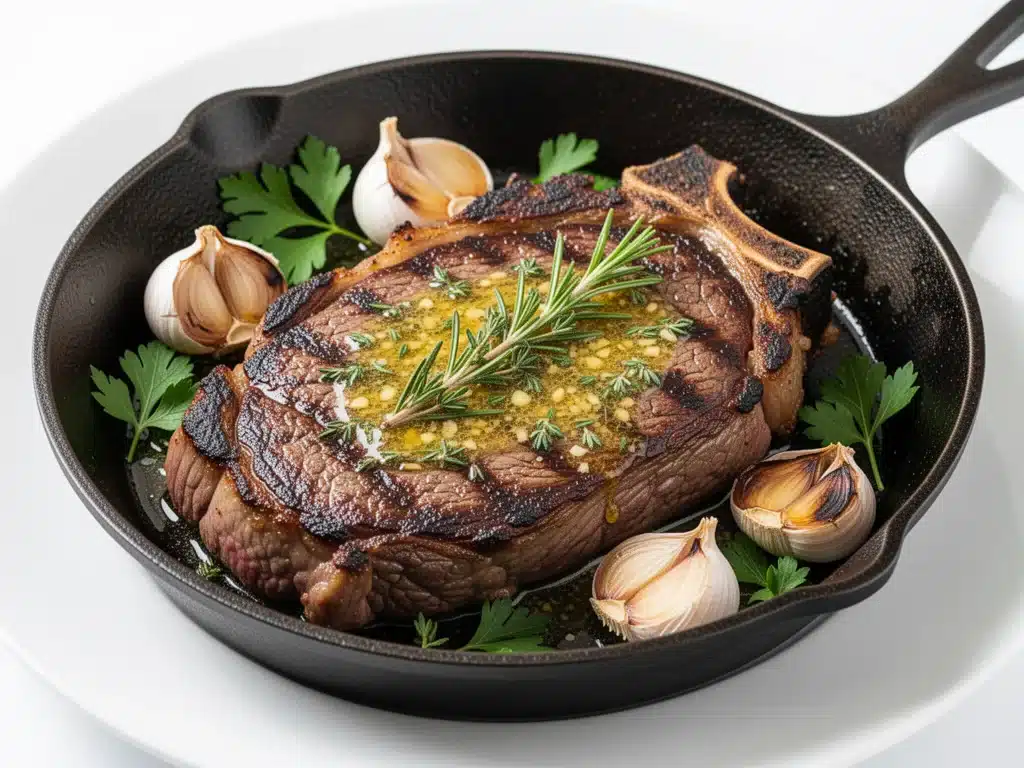
I still remember the exact moment my confidence in my own cooking skills hit rock bottom. It was a rainy Tuesday in November, the kind of night that feels like it’s trying to convince you to just order pizza and watch TV. But my partner had been stressed for weeks, and I wanted to do something special. Something romantic. Something that said, “I see you, and I appreciate you,” without spending $80 at a fancy restaurant.
So, I decided to make steak. Specifically, a cast iron skillet steak with garlic herb butter. I’d seen it in magazines. It looked so easy. Just throw meat in a hot pan, add some butter, and you’re done, right?
Wrong.
I used the wrong pan. I used too much oil. I moved the steak around like I was sautéing chicken instead of searing a prime cut. And when I finally plated it, it was gray, tough, and frankly, a little depressing. We ate it in silence. I felt like a fraud. I felt like I was trying to be something I wasn’t.
But here’s the thing about cooking: you learn more from the disasters than the wins. That night, I swore I’d never try to cook steak at home again. I’d just stick to pasta and roasted veggies. Safe. Boring. But reliable.
Fast forward six months. I was at a friend’s house, watching them cook a thick ribeye in their well-seasoned cast iron skillet. The smell alone was intoxicating—garlic, thyme, rosemary, and that deep, savory aroma of properly seared beef. They didn’t move the steak. They used a brush to baste it with melting butter. And the crust? It was dark, caramelized, and crackling.
I came home that night and bought a cast iron skillet. I’ve made this cast iron skillet steak with garlic herb butter for date night (and regular Tuesday nights, let’s be real) dozens of times since. It’s become my secret weapon for turning a simple weeknight into something that feels luxurious, intimate, and deeply satisfying. It’s not just dinner; it’s a mood.
And the best part? It’s actually easier than you think. Once you know the tricks—the dry surface, the smoking hot pan, the butter basting technique—you’ll wonder why you ever ordered takeout for a special occasion. This recipe is my go-to when I want to impress without stressing. It’s rustic, it’s flavorful, and it makes your kitchen smell like a high-end bistro.
Why You’ll Love This Cast Iron Skillet Steak
There are about a dozen reasons I keep coming back to this recipe, but let’s be honest: you’re probably looking for the big wins. Here’s why this steak has earned a permanent spot in my weekly rotation, especially for those nights when you want to feel fancy without the hassle.
Restaurant-Quality Crust at Home — Seriously, nothing beats the Maillard reaction in a cast iron skillet. That deep, dark brown crust isn’t just for looks; it’s where all the flavor lives. I’ve tried non-stick pans, stainless steel, and even air fryers, but nothing gives you that crispy, caramelized exterior like a heavy cast iron skillet. It’s the single biggest game-changer for home cooks.
Under 30 Minutes Total — I know, I know. Steak usually feels like a long, slow process. But this? This is fast. You have about 10 minutes of active work, and the rest is just waiting. I can get this on the table in 25 minutes, which is perfect for those “I need dinner NOW but I also want it to be good” moments. No marinating overnight. No complex sauces.
Garlic Herb Butter is Pure Magic — This isn’t just butter on the side. This is the star of the show. As the steak rests, that garlic, thyme, and rosemary-infused butter melts over the meat, soaking into every fiber. It adds richness, moisture, and an herbal aroma that makes your partner ask, “What is that? It smells amazing.” (It’s just butter and herbs, but shh, let them believe it’s magic.)
Zero Fancy Equipment Needed — You don’t need a sous vide machine. You don’t need a meat thermometer with a Bluetooth app (though one helps). You just need a skillet and some heat. I use my trusty, blackened Lodge skillet that’s been in my family since the 90s. It’s ugly, it’s heavy, and it’s perfect.
It Feels Like a Date Night — This is the emotional win. Cooking this makes the kitchen feel like a stage. You’re basting the steak. You’re plating it beautifully. You’re pouring a glass of red wine. It slows you down. It makes you feel capable and caring. My partner always says the effort means more than the food itself, and I have to agree. This recipe creates a vibe.
This is my go-to when I need dinner to just work, but also feel special. No complicated techniques, no weird ingredients, just reliable, delicious food that makes everyone happy.
Ingredients You’ll Need for the Perfect Steak
Here’s the best part: you probably have most of this already. This recipe relies on high-quality basics rather than a long list of obscure spices. The fewer ingredients, the more they need to be good.
For the Steak:
Thick-Cut Ribeye or New York Strip (2 steaks, about 1.5 inches thick / 450g each) — This is non-negotiable. Thin steaks cook too fast and dry out. You need thickness to get a good crust without overcooking the center. Ribeye has more marbling (fat), which means more flavor. New York Strip is leaner but has a great beefy taste. Avoid “steak” blends or pre-packaged thin cuts.
Kosher Salt (1 tablespoon) — I use kosher salt because it’s easier to control. Table salt is too fine and can make the steak too salty if you’re not careful. If you only have table salt, use half the amount. Flaky sea salt (like Maldon) is great for finishing.
Freshly Cracked Black Pepper (1 teaspoon) — Use coarse grind. Fine pepper burns easily in the hot pan. I grind it fresh because pre-ground pepper loses its punch after a few weeks.
High Smoke-Point Oil (2 tablespoons) — Avocado oil or grapeseed oil works best. Olive oil burns too quickly at the high temps needed for a good sear. I keep avocado oil in my pantry specifically for high-heat cooking.
For the Garlic Herb Butter:
Unsalted Butter (4 tablespoons / 60g) — High quality here matters. I use European-style butter if I can find it (like Plugrá or Kerrygold) because it has a higher fat content and richer flavor. Unsalted lets you control the sodium.
Garlic (4 cloves, smashed) — Yes, smashed, not minced. Minced garlic burns instantly in hot butter. Smashing it releases the flavor but keeps it intact so it infuses the butter without turning bitter. I use my chef’s knife to press down on the clove until it splits open.
Fresh Thyme (4-5 sprigs) — Fresh thyme has a subtle, earthy flavor that pairs perfectly with beef. Dried thyme is too dusty and concentrated. If you must use dried, use 1 teaspoon, but fresh is worth the trip to the store.
Fresh Rosemary (2 sprigs) — Rosemary is strong, so don’t overdo it. Two sprigs is plenty. It adds that piney, aromatic note that screams “steakhouse.”
Optional Add-ins:
Shallots (1 small, sliced) — I sometimes throw in a sliced shallot for a bit of sweetness. It caramelizes nicely in the butter.
Red Pepper Flakes (pinch) — If you like a tiny kick, a pinch of red pepper flakes in the butter adds a nice background warmth.
Personal Tips:
– Pat it Dry: I always keep paper towels handy. Moisture is the enemy of the sear. If your steak is wet, it steams instead of sears.
– Room Temp Steak: Take your steak out of the fridge 30-45 minutes before cooking. Cooking cold steak leads to uneven cooking. I know, I know, I forgot this once and the center was still raw while the outside was charcoal.
– Brand Recommendations: I swear by my Lodge Cast Iron Skillet. It’s affordable, durable, and seasons itself over time. For the steak, I buy from a local butcher if I can, but good grocery store meat works fine.
Equipment Needed
You don’t need fancy equipment for this. Here’s what I actually use.
Cast Iron Skillet — I use a 12-inch skillet. It needs to be big enough to fit both steaks with a little room between them. If the steaks are touching, they’ll steam each other. My skillet has seen better days, but it’s the best tool I own. If you don’t have cast iron, a heavy stainless steel skillet works, but cast iron holds heat better.
Tongs — For flipping the steak. I use long-handled tongs so I don’t burn my fingers. Forks are a no-go; they puncture the meat and let the juices escape.
Spatula — For spooning the butter over the steak (basting). I use a silicone spatula because it’s sturdy and heat-resistant. A spoon works too, but it’s harder to scoop the butter from the corners.
Cutting Board — Any size works. I use a large wooden board for plating.
Chef’s Knife — For smashing the garlic and slicing shallots. Sharp knives are safer and easier to use.
Paper Towels — Crucial for drying the steak. Don’t skip this step.
Meat Thermometer (Optional but Recommended) — I have an instant-read thermometer. It takes the guesswork out. If you don’t have one, you can use the “touch test” (firmness of your palm), but it’s harder to learn.
Resting Rack or Plate — To let the steak rest after cooking. I just use a clean plate.
Tool Tips:
– Don’t have a cast iron skillet? Any heavy-bottomed pan works, but you’ll need to be more careful about heat control. Cast iron is forgiving because it holds heat so well.
– I’m obsessed with my tongs from OXO — They have a spring-loaded handle that makes flipping one-handed easy. Worth the $10.
How to Make It: Step-by-Step
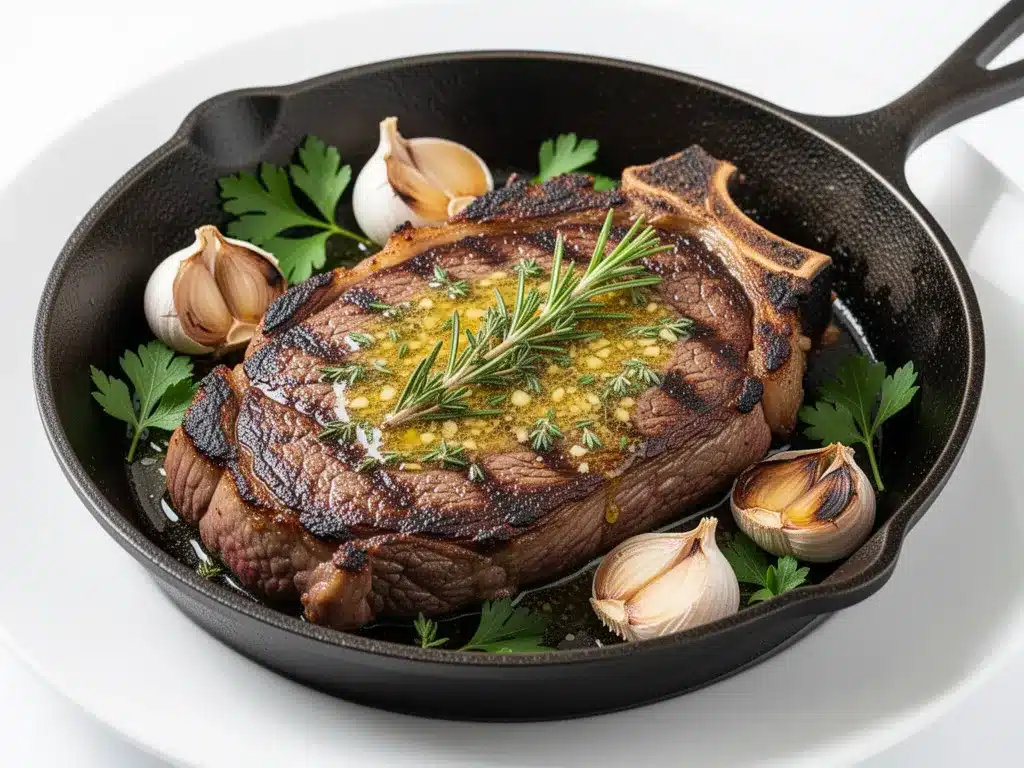
Alright, let’s make this! I’m walking you through exactly how I do it, including the little tricks I’ve picked up over the years. This method is foolproof if you follow it closely.
Step 1: Prep the Steak (10 minutes)
Take your steaks out of the fridge. Pat them completely dry with paper towels. I mean completely. If there’s moisture, the steak will steam. Season both sides generously with kosher salt and freshly cracked black pepper. Don’t be shy with the salt; you want a seasoned crust. Let them sit on the counter while you heat the pan.
Step 2: Heat the Pan (5 minutes)
Place your cast iron skillet over medium-high heat. Let it get hot. I wait about 5 minutes. To test if it’s ready, flick a few drops of water into the pan. If they sizzle and evaporate instantly, it’s ready. If they just sit there, wait longer. A hot pan is essential for the sear.
Step 3: Sear the Steak (3-4 minutes per side)
Add the oil to the pan. It should shimmer but not smoke heavily. Carefully lay the steaks away from you to avoid oil splatter. Press them down gently with tongs to ensure full contact with the pan. DO NOT MOVE THEM. Let them sear for 3-4 minutes. You’ll hear a loud sizzle. If the steak sticks, it’s not ready to flip. Wait a few more seconds, and it will release naturally.
Step 4: Flip and Add Butter (3-4 minutes)
Flip the steaks. You should see a beautiful, dark brown crust. Immediately add the butter, smashed garlic cloves, thyme, and rosemary to the pan. Tilt the pan slightly so the melting butter pools with the herbs and garlic at the lowest point.
Step 5: Baste the Steak (2-3 minutes)
This is the fun part. Using your spatula or spoon, continuously scoop the hot, fragrant butter over the steaks. Do this for the remaining cooking time. The butter basting cooks the steak gently from the top while adding incredible flavor. The kitchen will smell divine. If the garlic starts to brown too much, move it to the side so it doesn’t burn.
Step 6: Check Temperature and Rest (5-10 minutes)
Remove the steaks when they reach your desired doneness. For medium-rare, aim for 130-135°F (54-57°C). Transfer the steaks to a plate or cutting board. Pour the remaining garlic herb butter from the pan over the steaks. Let them rest for at least 5 minutes. This is crucial. If you cut into it immediately, the juices will run out, and the steak will be dry. Resting lets the fibers relax and reabsorb the juices.
Total Time: About 25-30 minutes (10 minutes active, 20 minutes mostly hands-off)
Built-in Troubleshooting:
– Steak sticking to the pan? It’s not ready to flip. Wait 30 seconds. The Maillard reaction creates a natural release.
– Butter burning? Lower the heat slightly after flipping. Butter burns at high temps. If it’s smoking, remove the pan from the heat for a minute.
– Steak too thick? If your steaks are over 1.5 inches thick, you might need to finish them in the oven at 400°F for 5-7 minutes after searing.
Visual/Sensory Cues:
– The Sear: You want a dark, crusty exterior, not a pale, gray surface.
– The Butter: It should be foamy and aromatic, with the herbs sizzling gently.
– The Rest: The steak will feel firm but yielding to the touch, like the base of your thumb when you touch your thumb to your middle finger.
Expert Tips & Tricks
Here’s everything I’ve learned from making this dozens of times. These tips will save you from my mistakes.
The Dry Surface is Key
I can’t stress this enough. Moisture is the enemy of the sear. If your steak is wet, it will steam. I pat it dry, then pat it dry again. If you have time, leave the salted steak uncovered in the fridge for a few hours to air-dry the surface. This creates a pellicle that sears even better. I don’t always have time for this, but when I do, the crust is unmatched.
Don’t Crowd the Pan
If you’re cooking two steaks, make sure they have space. If they’re touching, the moisture between them will trap steam, and you’ll get a gray, boiled steak instead of a seared one. If your pan is small, cook them one at a time. It’s worth the extra 5 minutes.
Butter Basting is Non-Negotiable
This technique, called *arroser*, is what takes this from “good steak” to “date night steak.” The butter cooks the top gently, bastes the meat with flavor, and prevents the garlic from burning. It’s the secret to that restaurant-quality finish. Commit to basting for the full 2-3 minutes after flipping.
Resting is Mandatory
I know it’s hard to wait. You’re hungry. You want to eat. But if you cut into a hot steak immediately, you lose all the juices. Resting for 5-10 minutes allows the juices to redistribute. The steak will stay hot, and it will be much more tender. I use this time to chop veggies or pour wine.
Common Mistakes (and how to avoid them):
Mistake: Steak is gray and soft. Fix: Your pan wasn’t hot enough, or you moved the steak too soon. Heat the pan longer, and be patient with the sear.
Mistake: Butter is burnt and bitter. Fix: Lower the heat after flipping. Butter burns easily. If the garlic is browning too fast, remove it from the pan.
Mistake: Steak is tough. Fix: You overcooked it. Use a thermometer. For medium-rare, 130°F is the target. Remember, the temperature will rise 5 degrees while resting.
Pro Tricks I’ve Learned:
For Extra Crispiness — After searing, you can finish the steak in a 400°F oven for 5 minutes. This ensures even cooking for thick cuts.
For Better Flavor — Add a pinch of smoked paprika to the salt rub for a subtle smoky note.
For Presentation — Slice the steak against the grain before plating. This makes each bite more tender. Arrange the slices slightly overlapping for a beautiful presentation.
Variations & Substitutions
Once you’ve nailed the basic version, here’s how you can mix it up. I’ve tried all of these.
Filet Mignon Version
Use center-cut filets (6-8 oz each). They’re leaner, so they cook faster. Reduce the sear time to 2 minutes per side. Baste for 2 minutes. These are great for a more elegant, delicate date night.
Steak Frites Style
Serve the steak over crispy fried potatoes. I make thin-cut fries in the air fryer while the steak rests. Toss the fries with the leftover garlic herb butter. Classic French bistro vibe.
Peppercorn Crusted
Before searing, press crushed black peppercorns onto the salted steak. This creates a spicy, crunchy crust. Pairs well with a creamy pan sauce made from the drippings.
Spicy Herb Butter
Add a pinch of red pepper flakes or a chopped jalapeño to the butter mixture. Adds a kick that cuts through the richness of the beef.
Dietary Modifications:
Gluten-Free — This recipe is naturally gluten-free. Just ensure your salt and pepper are certified gluten-free if you have celiac disease.
Lower-Fat Option — Reduce the butter to 2 tablespoons and use a splash of beef broth to deglaze the pan for a lighter sauce. It’s not as rich, but it’s still flavorful.
Vegetarian Alternative — While not a steak, I sometimes use thick slices of portobello mushrooms. Marinate them in soy sauce and olive oil, then sear them in the cast iron. Top with the same garlic herb butter. It’s surprisingly satisfying.
Different Proteins:
– Pork Chops — Thick-cut bone-in pork chops work great with this method. Cook to 145°F.
– Chicken Thighs — Boneless, skin-on chicken thighs sear beautifully in cast iron. Cook until 165°F.
– Lamb Chops — Season with cumin and coriander instead of pepper. Pair with mint in the butter.
Serving & Storage
How to Serve:
“I usually serve this straight from the cutting board at the dinner table—it looks rustic and stays warm. But here are other ways I’ve enjoyed it:”
Side Dishes:
– Roasted asparagus with lemon zest
– Garlic mashed potatoes (obviously)
– Crisp green salad with vinaigrette
– Sautéed spinach with garlic
Toppings Bar:
When I have guests, I put out: extra flaky sea salt, cracked black pepper, fresh thyme sprigs, and lemon wedges. Everyone customizes their steak.
Wine Pairing:
Not a wine expert, but my wine-snob friend says a bold Cabernet Sauvignon or a Malbec works great with this. The tannins cut through the fat of the steak.
Storage Instructions:
Refrigerator:
Store in an airtight container for up to 3 days. The steak will dry out slightly, so reheat gently.
Reheating:
Best method: Slice the steak and warm it in a skillet over low heat with a splash of broth or butter. Do not microwave, or it will become tough and rubbery. Ask me how I know.
Freezing:
Honestly, this doesn’t freeze well. Cooked steak becomes dry and stringy when frozen and thawed. Make it fresh. If you must freeze, freeze the raw steak, not the cooked meal.
Pro tip: If leftovers are drying out, slice them thin and use them in a salad or sandwich with a creamy sauce.
Nutrition Information
I’m not a nutritionist, but here’s the breakdown if you’re tracking.
Per Serving (based on 2 servings, 1 steak each):
- Calories: 650
- Protein: 50g
- Carbs: 1g
- Fiber: 0g
- Sugar: 0g
- Fat: 45g
- Saturated Fat: 18g
- Cholesterol: 180mg
- Sodium: 400mg
What’s Good:
- High protein content
- Very low carb
- Rich in B vitamins and iron
What to Know:
- Higher in calories from butter and fat
- Contains dairy
My Take:
“Look, this is steak with butter. It’s not a diet recipe. But it’s way better than takeout, costs less, and I know exactly what’s in it. When I want to make it lighter, I reduce the butter and load up on vegetables. But usually? I just eat a reasonable portion and enjoy it.”
Final Thoughts
So that’s my go-to cast iron skillet steak with garlic herb butter! I’ve probably talked your ear off at this point, but when you make a recipe this often, you have a lot to say about it.
This has saved date nights more times than I can count. It’s my answer to “what’s for dinner” when I want to feel fancy but don’t want to leave the house. My partner is happy, I’m happy, and I’m happy because I’m not stressed about cooking.
Make it yours! Try different herbs, adjust the garlic, or pair it with your favorite side. The best recipes are the ones you adapt to your family’s tastes.
If you make this, drop a comment and let me know what you think! I love hearing how recipes turn out in your kitchen. And if something doesn’t work, tell me that too—I’m here to help troubleshoot.
Happy cooking! And I hope your kitchen smells half as good as mine does right now.
Frequently Asked Questions
Q: Can I use a non-stick pan instead of cast iron?
A: You can, but you won’t get the same crust. Cast iron holds heat better and creates a superior sear. If you use non-stick, reduce the heat slightly to prevent burning, but expect a softer exterior. Stainless steel is a good alternative if you don’t have cast iron.
Q: My steak is sticking to the pan—what did I do wrong?
A: It’s likely not ready to flip yet. The steak releases naturally when the crust forms. Wait 30-60 seconds and try again. Also, ensure your pan is hot enough before adding the steak.
Q: Why did my butter burn?
A: Butter has a low smoke point. If the pan was too hot, the milk solids in the butter burned. After flipping, lower the heat to medium or medium-low before adding the butter. Move the garlic to the side if it starts browning.
Q: Can I make this ahead for a dinner party?
A: You can prep the steak (pat dry, season) up to 4 hours ahead and keep it in the fridge. Bring it to room temperature before cooking. Cook it fresh for the best results. Don’t cook it ahead and reheat, as it will dry out.
Q: What’s the best cut of steak for this recipe?
A: Ribeye is the most flavorful due to marbling. New York Strip is a close second. Filet Mignon is tender but lean, so it needs careful cooking. Avoid thin cuts like flank or skirt steak for this method, as they cook too fast.
Q: How do I know when the steak is done without a thermometer?
A: Use the touch test. Compare the firmness of the steak to the base of your thumb. Relaxed hand = rare. Touch thumb to index finger = medium-rare. Touch thumb to middle finger = medium. It takes practice, but it’s a useful skill.
Q: Can I use frozen steak?
A: It’s better to thaw it first. Cooking frozen steak leads to uneven cooking. If you must cook it frozen, sear for longer on each side, but the texture won’t be as good. Thaw in the fridge overnight for best results.
Pin This Recipe!
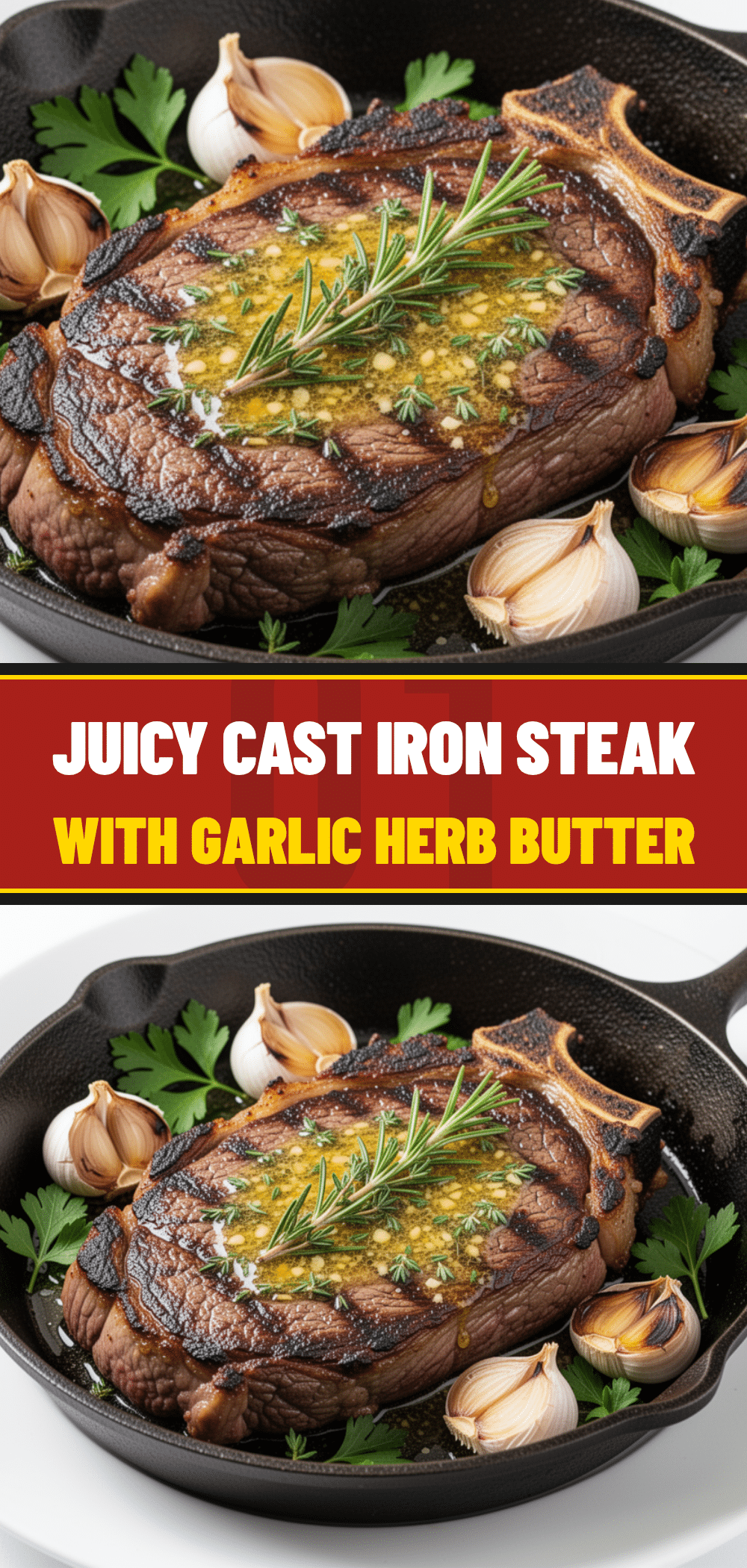
Cast Iron Skillet Steak: Best 30-Minute Date Night Dinner
- Total Time: 25-30 minutes
- Yield: 2 servings 1x
Description
A restaurant-quality cast iron skillet steak with garlic herb butter that delivers a deep, caramelized crust and rich flavor in under 30 minutes, perfect for a romantic date night or special weeknight dinner.
Ingredients
- 2 thick-cut ribeye or New York Strip steaks (about 1.5 inches thick / 450g each)
- 1 tablespoon kosher salt
- 1 teaspoon freshly cracked black pepper (coarse grind)
- 2 tablespoons high smoke-point oil (avocado or grapeseed)
- 4 tablespoons unsalted butter
- 4 cloves garlic, smashed
- 4–5 sprigs fresh thyme
- 2 sprigs fresh rosemary
- 1 small shallot, sliced (optional)
- Pinch of red pepper flakes (optional)
Instructions
- Take steaks out of the fridge 30-45 minutes before cooking to bring to room temperature.
- Pat steaks completely dry with paper towels to ensure a good sear.
- Season both sides generously with kosher salt and freshly cracked black pepper.
- Place a 12-inch cast iron skillet over medium-high heat and let it get hot for about 5 minutes.
- Add oil to the pan; it should shimmer but not smoke heavily.
- Carefully lay steaks in the pan away from you to avoid splatter. Press down gently to ensure contact.
- Sear undisturbed for 3-4 minutes until a dark brown crust forms and the steak releases naturally.
- Flip steaks. Immediately add butter, smashed garlic, thyme, and rosemary to the pan.
- Tilt pan so melting butter pools with herbs and garlic.
- Baste steaks continuously for 2-3 minutes by spooning hot butter over the meat.
- Remove steaks when they reach desired internal temperature (130-135°F for medium-rare).
- Transfer steaks to a plate or cutting board and pour remaining garlic herb butter over them.
- Let steaks rest for at least 5 minutes before slicing and serving.
Notes
Ensure the steak is completely dry before seasoning to prevent steaming. Do not move the steak during the initial sear to allow the Maillard reaction to create a crust. If steaks are thicker than 1.5 inches, finish in a 400°F oven for 5-7 minutes after searing. Resting is crucial to retain juices.
- Prep Time: 10 minutes
- Cook Time: 15-20 minutes
- Category: Main Course
- Cuisine: American
Nutrition
- Serving Size: 1 steak per serving
- Calories: 650
- Sodium: 400
- Fat: 45
- Saturated Fat: 18
- Carbohydrates: 1
- Protein: 50
Keywords: cast iron steak, ribeye, date night dinner, garlic herb butter, seared steak, quick dinner, high protein, gluten-free


