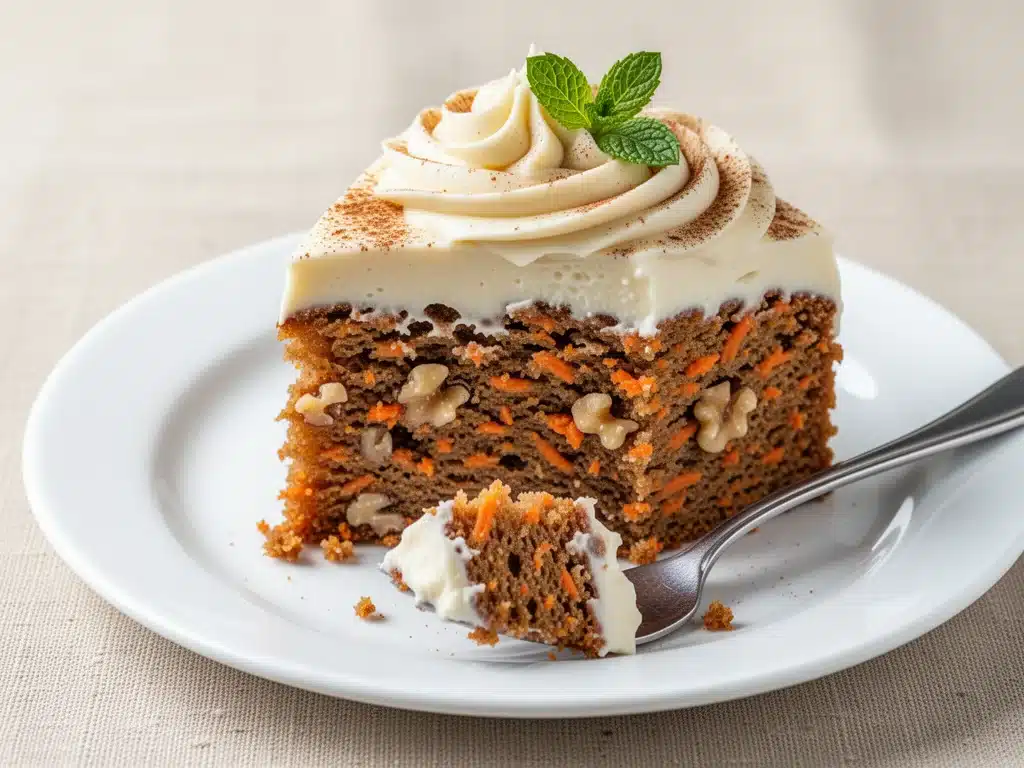
It was 2019, and I was standing in a bakery line in Portland, holding a slice of carrot cake that had been sitting under a glass dome since 6 a.m. It was dry. Not “a little dry,” but “sandpaper dry.” The frosting was thick, cloyingly sweet, and tasted like it had been made from a box mix and a tube of canned cream cheese. I took one bite, walked out, and threw the whole thing in the trash. My friend looked at me like I was crazy. “It’s just carrot cake,” she said. “It’s supposed to be sweet.”
But it wasn’t just sweet. It was disappointing. And that disappointment sparked a two-year obsession.
I’ve made this ultra-moist carrot cake with cream cheese frosting at least forty times since that Tuesday. Forty. I’ve made it for birthdays, for potlucks, for “I had a bad day and need sugar,” and for my husband’s mom (who is notoriously difficult to please). And here’s the thing: it has never failed. Not once. Not even when I accidentally used whole wheat flour once (don’t do that, by the way).
People ask me why I bother making it from scratch when so many bakeries sell it. The answer is simple: I want cake that tastes like carrots, not like cardboard soaked in sugar. I want frosting that’s tangy and rich, not just a wall of white sweetness. I want a crumb so tender it practically melts on your tongue. This recipe delivers that every single time. It’s the kind of cake that makes people stop mid-bite and ask, “What is in this? It’s so moist.”
If you’ve ever struggled with a carrot cake that’s dense, dry, or bland, this is the one. It’s not fancy. It doesn’t require a degree in pastry arts. But it does require patience, good ingredients, and a willingness to trust the process. Once you try it, you’ll never go back to the dry stuff again.
Why You’ll Love This Ultra-Moist Carrot Cake
There are about a dozen reasons I keep coming back to this recipe, but if I had to narrow it down, these are the ones that actually matter when you’re standing in your kitchen at 7 p.m. on a Tuesday.
It’s Actually Moist — I’m not talking about “slightly damp” moist. I’m talking about “I left a slice on the counter overnight and it’s still perfect” moist. The secret? Applesauce and buttermilk. They keep the crumb incredibly tender without making it gummy. I tested this with Greek yogurt, sour cream, and plain yogurt, but buttermilk wins every time for that light, airy texture.
The Frosting Isn’t Just Sweet — Most carrot cake frostings are just sugar and butter. This one uses full-fat cream cheese, a touch of vanilla, and a pinch of salt to cut through the sweetness. It’s tangy, rich, and actually tastes like a dessert, not a sugar rush. My kids, who usually hate “fancy” frosting, ask for this one specifically.
It’s Forgiving — Have you overmixed the batter? It’s okay. Have you added a little too much cinnamon? No problem. This recipe is sturdy. It doesn’t fall apart if you’re not a perfectionist. I’ve made it with a wooden spoon, a hand mixer, and even my stand mixer running too fast. It’s always good.
It Freezes Like a Dream — This is a game-changer for meal prep. I bake the layers, let them cool, wrap them tightly in plastic, and freeze them for up to three months. When I need a cake, I thaw them overnight, frost them, and it tastes like it just came out of the oven. I’ve done this for three different holidays and nobody can tell the difference.
It’s Better Than Store-Bought — I’ve compared this to every bakery cake in my city. The texture is lighter, the flavor is more complex (thanks to the ginger and nutmeg), and the frosting is fresher. Plus, you know exactly what’s in it. No preservatives, no weird oils, just real food.
This is my go-to when I need to impress someone without stressing. It’s reliable, delicious, and always a crowd-pleaser. Whether you’re feeding a family of four or a party of twenty, this cake delivers.
Ingredients You’ll Need
Here’s the best part: you probably have most of this already. I’m particular about three ingredients here, and I’ll tell you exactly why. But for the rest? It’s pantry basics.
For the Cake:
All-purpose flour (2 cups / 250g) — Don’t use self-rising. It has too much leavening and will make the cake rise too much and then collapse. I use Gold Medal because it’s consistent. Measure it correctly! Spoon it into the cup and level it off. Don’t scoop straight from the bag, or you’ll end up with a dense brick.
Baking soda (2 teaspoons) — This reacts with the buttermilk to create lift. Make sure it’s fresh. If it’s been in your pantry for six months, toss it. I keep mine in the fridge to extend its life.
Baking powder (1 teaspoon) — Just a little extra lift. Again, check the date.
Salt (1 teaspoon) — Essential for balancing the sweetness. Don’t skip it.
Cinnamon (2 teaspoons) — Ground cinnamon, not sticks. I use Saigon cinnamon because it’s spicier and more aromatic. If you can’t find it, regular ground cinnamon works fine.
Ginger (1 teaspoon) — Ground ginger. It adds that warm, zesty kick that makes carrot cake taste like autumn. If you hate ginger, you can reduce it to ½ teaspoon, but I recommend keeping it.
Nutmeg (½ teaspoon) — Freshly grated is best, but pre-ground is fine. Just don’t use too much; it’s strong.
Granulated sugar (1 cup / 200g) — White sugar. Don’t use brown sugar; it makes the cake too dense and moist in a bad way.
Light brown sugar (½ cup / 100g) — This adds a hint of molasses flavor. Pack it tightly when you measure.
Vegetable oil (1 cup / 240ml) — Oil keeps the cake moist longer than butter. I use a neutral oil like canola or grapeseed. Don’t use olive oil; it’s too strong. Don’t use butter; the cake will be denser.
Eggs (4 large) — Room temperature. Cold eggs can cause the batter to separate. Take them out of the fridge 30 minutes before you start.
Vanilla extract (2 teaspoons) — Pure vanilla, not imitation. It makes a huge difference in flavor.
Grated carrots (2 cups / about 300g) — Fresh carrots, grated on the large holes of a box grater. Do not use pre-shredded carrots from a bag. They’re too dry and don’t release moisture the same way. I buy three large carrots and grate them myself. It takes 5 minutes.
Unsweetened applesauce (½ cup / 120g) — This is the secret weapon for moisture. It replaces some of the oil and keeps the crumb tender. Use unsweetened, no sugar added.
Buttermilk (½ cup / 120ml) — If you don’t have buttermilk, make your own: add 1 tablespoon lemon juice or white vinegar to ½ cup milk. Let it sit for 10 minutes. It curdles and thickens. This acidity reacts with the baking soda for lift.
Walnuts or pecans (1 cup / 100g, chopped) — Optional, but I love the crunch. Toast them in a dry pan for 2 minutes before adding for extra flavor. If you’re allergic, skip them. The cake is still great without them.
For the Cream Cheese Frosting:
Full-fat cream cheese (16 oz / 450g) — Blocks, not tubs. Tub cream cheese has more water and stabilizers, which makes the frosting runny. I use Philadelphia because it’s consistent. Let it come to room temperature before mixing.
Butter (½ cup / 115g) — Unsalted, room temperature. Softened, not melted.
Powdered sugar (4 cups / 480g) — Sifted! This prevents lumps. If you don’t sift, you’ll get gritty frosting. I sift twice if I’m feeling fancy.
Vanilla extract (1 teaspoon) — Pure vanilla.
Salt (¼ teaspoon) — Just a pinch to balance the sweetness.
Equipment Needed
You don’t need fancy equipment for this. Here’s what I actually use.
Two 9-inch round cake pans — I use metal pans, not glass or dark non-stick. Metal heats evenly. Grease them well with butter or cooking spray, then line the bottoms with parchment paper. This ensures the cake doesn’t stick.
Large mixing bowls — One for dry ingredients, one for wet. I use a 5-quart bowl for the dry stuff and a 3-quart for the wet.
Box grater — For the carrots. The large holes work best. If you have a food processor, you can pulse the carrots, but don’t over-process them or they’ll turn into mush.
Hand mixer or stand mixer — I prefer a stand mixer for the frosting, but a hand mixer works fine for the cake batter. Just be careful not to overmix.
Whisk — For the dry ingredients. Makes sure the baking soda and spices are evenly distributed.
Rubber spatula — For folding in the carrots and nuts. Gentle hands only.
Cooling rack — Essential. Let the cakes cool in the pans for 10 minutes, then transfer to the rack. If you leave them in the pans too long, they’ll steam and get soggy.
Parchment paper — For lining the pans. Trust me, it’s worth the extra 30 seconds.
How to Make It: Step-by-Step
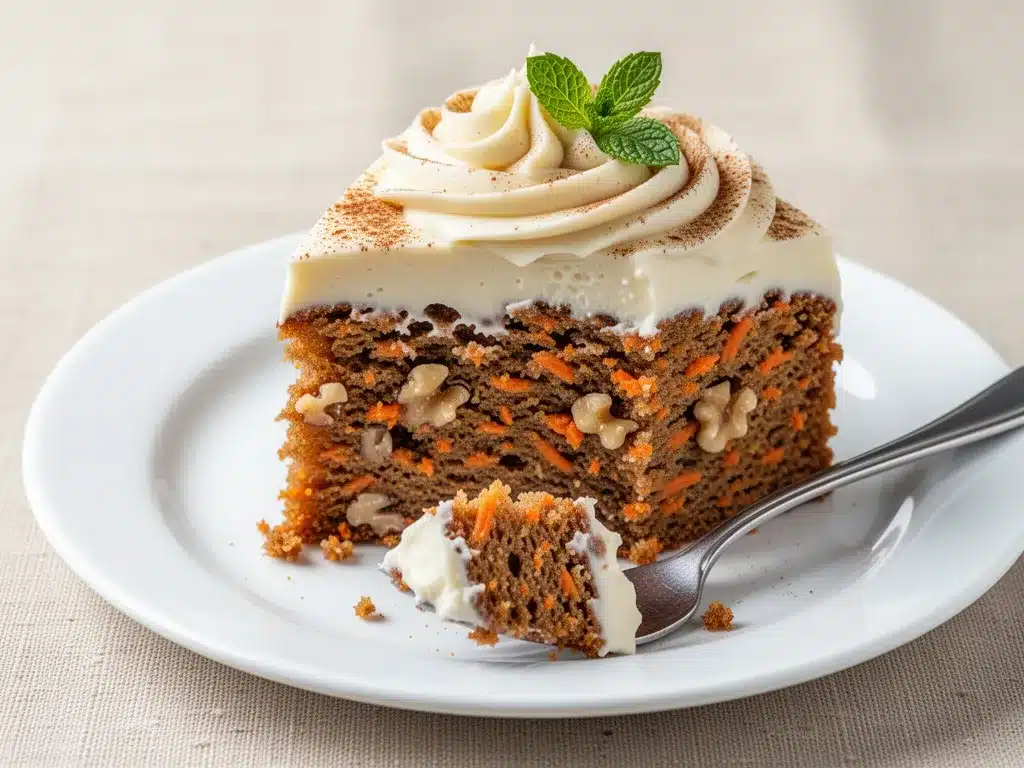
Alright, let’s make this! I’m walking you through exactly how I do it, including the little tricks I’ve picked up over forty tries.
Step 1: Prep Your Pans and Oven (5 minutes)
Preheat your oven to 350°F (175°C). Grease two 9-inch round cake pans with butter or cooking spray. Line the bottoms with parchment circles. This is non-negotiable. If you skip this, you’ll struggle to get the cakes out. Set the pans aside.
Step 2: Mix the Dry Ingredients (3 minutes)
In a large bowl, whisk together the flour, baking soda, baking powder, salt, cinnamon, ginger, and nutmeg. Whisk it well. You want to make sure the leavening agents are evenly distributed so the cake rises evenly. If you don’t whisk, you’ll get pockets of baking soda that taste bitter.
Step 3: Mix the Wet Ingredients (3 minutes)
In a separate large bowl, whisk together the sugar, oil, eggs, vanilla, applesauce, and buttermilk. Whisk until it’s smooth and well combined. The mixture might look a little curdled at first—that’s okay. The eggs and buttermilk can sometimes separate slightly. Just keep whisking.
Step 4: Combine Wet and Dry (2 minutes)
Gradually add the dry ingredients to the wet ingredients. Mix on low speed until just combined. Do not overmix! Overmixing develops gluten, which makes the cake tough. Stop mixing as soon as you see no more streaks of flour. It’s okay if it looks a little lumpy.
Step 5: Fold in Carrots and Nuts (2 minutes)
Using a rubber spatula, gently fold in the grated carrots and chopped nuts. Fold until they’re evenly distributed. Be gentle. You don’t want to crush the carrots or overwork the batter.
Step 6: Bake (30-35 minutes)
Pour the batter evenly into the prepared pans. Bake for 30-35 minutes. The cakes are done when a toothpick inserted into the center comes out clean or with just a few moist crumbs. Do not overbake! If you bake them too long, they’ll be dry. Start checking at 30 minutes.
Step 7: Cool Completely (1 hour)
Let the cakes cool in the pans for 10 minutes, then turn them out onto a cooling rack. Let them cool completely before frosting. If you frost a warm cake, the frosting will melt and slide off. This is the hardest part—waiting—but it’s worth it.
Step 8: Make the Frosting (10 minutes)
In a large bowl, beat the room-temperature cream cheese and butter together until smooth and creamy. Add the powdered sugar, vanilla, and salt. Beat on low speed until combined, then increase to medium-high and beat for 2-3 minutes until fluffy. If the frosting is too thick, add a teaspoon of milk. If it’s too thin, add more powdered sugar.
Step 9: Assemble and Frost (15 minutes)
Place one cake layer on a serving plate. Spread a generous layer of frosting on top. Place the second layer on top. Frost the top and sides of the cake. You can leave it rustic or smooth it out. I like a rustic look because it looks homemade. Decorate with extra chopped nuts if you like.
Total Time: About 1 hour 30 minutes (including cooling time)
Expert Tips & Tricks
Here’s everything I’ve learned from making this dozens of times. These tips will save you from my mistakes.
Grate Your Own Carrots
I cannot stress this enough. Pre-shredded carrots are coated in cellulose to prevent clumping, which means they don’t release moisture the same way. Freshly grated carrots make the cake moist and tender. It takes 5 minutes. Do it.
Room Temperature Ingredients
For the frosting, cream cheese and butter must be room temperature. If they’re cold, you’ll get lumps. If they’re melted, the frosting will be runny. Take them out of the fridge 1-2 hours before you start. If you forget, microwave the butter for 10 seconds and let the cream cheese sit on the counter.
Don’t Overmix the Batter
Once you add the dry ingredients to the wet, mix until just combined. Overmixing makes the cake dense. It’s better to have a few lumps than a tough cake.
Cool Completely Before Frosting
This is the most common mistake. If the cake is even slightly warm, the frosting will melt. Use a cake stand that allows air circulation, or leave the layers on the counter for a full hour. Patience pays off.
Sift the Powdered Sugar
For the frosting, sift the powdered sugar. It removes lumps and ensures a smooth, silky texture. If you skip this, you’ll have gritty frosting. It’s an extra step, but it’s worth it.
Toast the Nuts
If you’re using walnuts or pecans, toast them in a dry pan for 2-3 minutes before chopping. It brings out their flavor and adds a nice crunch. It’s a small step that makes a big difference.
Variations & Substitutions
Once you’ve nailed the basic version, here’s how you can mix it up. I’ve tried all of these.
Pineapple Carrot Cake
Add ½ cup drained crushed pineapple to the wet ingredients. It adds moisture and a tropical twist. I’ve made this for summer parties and it’s a hit.
Cinnamon Swirl
Before baking, sprinkle a mixture of 2 tablespoons brown sugar and 1 teaspoon cinnamon on top of the batter in the pans. It creates a beautiful swirl inside the cake.
Gluten-Free
Use a 1-to-1 gluten-free flour blend. The texture will be slightly different, but it still works. I’ve used Bob’s Red Mill and it’s fine.
Dairy-Free
Replace the buttermilk with dairy-free milk plus lemon juice. For the frosting, use dairy-free cream cheese and butter. It’s not as rich, but it’s still good.
Vegan
Replace eggs with flax eggs (4 tablespoons ground flaxseed + 12 tablespoons water). Replace butter and cream cheese with vegan alternatives. The texture will be different, but it’s still a cake.
Without Nuts
Simply omit the nuts. The cake is still delicious. I make this for my nut-allergic friend, and she loves it.
Serving & Storage
How to Serve:
I usually serve this cake at room temperature. Cold cake tastes different, and the frosting hardens. Let it sit out for 30 minutes before serving. It pairs well with coffee or tea. I also like it with a cup of hot chocolate.
Side Dishes:
This cake is rich, so it doesn’t need much. A simple fruit salad or some fresh berries work well. I also like it with a scoop of vanilla ice cream.
Storage Instructions:
Refrigerator: Store in an airtight container for up to 5 days. The frosting will firm up in the fridge, so let it sit at room temperature for 30 minutes before serving.
Freezer: Wrap the unfrosted cake layers tightly in plastic wrap and then in foil. Freeze for up to 3 months. Thaw overnight in the fridge, then frost. The frosting does not freeze well; it becomes grainy. Make fresh frosting when you thaw.
Leftovers: If you have leftovers, store them in the fridge. They’ll last up to 5 days. I usually eat the leftovers for breakfast with my coffee.
Nutrition Information
I’m not a nutritionist, but here’s the breakdown if you’re tracking. This is per slice (1/12 of the cake).
Calories: 450
Protein: 5g
Carbs: 55g
Fiber: 2g
Sugar: 40g
Fat: 22g
Saturated Fat: 12g
Cholesterol: 60mg
Sodium: 350mg
What’s Good: It has some fiber from the carrots and nuts. It’s a source of Vitamin A from the carrots.
What to Know: It’s high in sugar and fat because of the frosting and oil. It’s a treat, not a health food. Enjoy it in moderation.
My Take: This is a indulgent cake. It’s not a diet recipe. But it’s better than store-bought because you control the ingredients. When I make it, I use less sugar in the frosting and add more nuts for crunch. But usually? I just enjoy a slice and don’t worry about it.
Final Thoughts
So that’s my ultra-moist carrot cake with cream cheese frosting! I’ve probably talked your ear off at this point, but when you make a recipe this often, you have a lot to say about it.
This cake has saved my social life. It’s my answer to “I need to bring something to the party” when I’m tired, don’t want to buy something generic, and still want to impress. My friends ask for the recipe. My family requests it for birthdays. And I’m happy because I know exactly what’s in it.
Make it yours! Try different nuts, add pineapple, or reduce the sugar. The best recipes are the ones you adapt to your tastes. But start with this base. It’s solid. It’s reliable. And it’s delicious.
If you make this, drop a comment and let me know what you think! I love hearing how recipes turn out in your kitchen. And if something doesn’t work, tell me that too—I’m here to help troubleshoot.
Happy baking! And I hope your kitchen smells half as good as mine does right now.
Frequently Asked Questions
Can I use butter instead of oil?
You can, but the cake will be denser and less moist. Oil keeps the cake tender for days. If you must use butter, melt it and let it cool. But I recommend sticking with oil for this recipe. It’s the secret to the ultra-moist texture.
Why did my cake sink in the middle?
This usually happens if the oven temperature is too high or if you opened the oven door too early. Don’t open the door for the first 25 minutes. Also, make sure your baking soda and powder are fresh. If they’re old, they won’t provide enough lift.
Can I make this ahead of time?
Yes! Bake the cakes a day ahead, let them cool, and wrap them tightly in plastic wrap. Store them at room temperature. Frost them the next day. This actually helps the flavors meld and makes the cake even better.
Why is my frosting runny?
Your cream cheese or butter was probably too warm. If the frosting is runny, put it in the fridge for 15 minutes, then beat it again. If it’s still runny, add more powdered sugar. Always use room-temperature ingredients, not melted ones.
Can I freeze the finished cake?
I don’t recommend freezing the finished cake with frosting. The frosting will get icy and grainy. Freeze the unfrosted layers instead. Thaw them overnight, then frost with fresh frosting. It tastes much better.
How do I store leftover cake?
Store it in an airtight container in the fridge for up to 5 days. Let it come to room temperature before serving. The frosting will firm up in the fridge, so this step is important for the best texture.
Can I double this recipe?
Yes, but you’ll need three 9-inch pans or two 9×13 pans. Adjust the baking time accordingly. For 9×13 pans, bake for 35-40 minutes. Check with a toothpick to make sure it’s done.
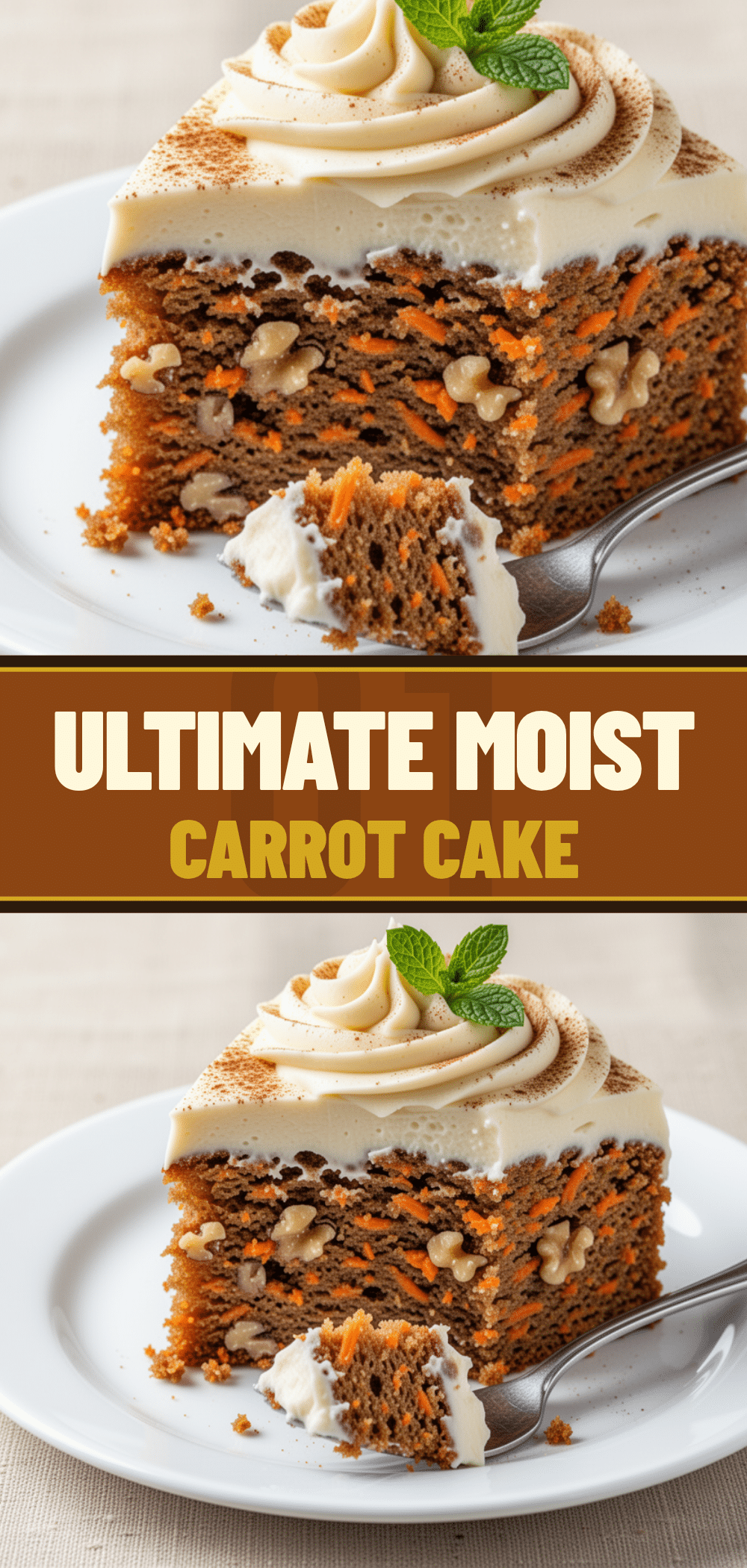
Pin This Recipe!
Best Moist Carrot Cake: Easy Recipe with Cream Cheese Frosting
- Total Time: 1 hour 30 minutes
- Yield: 12 servings 1x
Description
An ultra-moist carrot cake recipe that delivers a tender crumb and tangy cream cheese frosting. Using applesauce and buttermilk ensures the cake stays fresh and flavorful, avoiding the dryness of typical bakery versions.
Ingredients
- 2 cups (250g) all-purpose flour
- 2 teaspoons baking soda
- 1 teaspoon baking powder
- 1 teaspoon salt
- 2 teaspoons ground cinnamon
- 1 teaspoon ground ginger
- ½ teaspoon nutmeg
- 1 cup (200g) granulated sugar
- ½ cup (100g) light brown sugar
- 1 cup (240ml) vegetable oil
- 4 large eggs, room temperature
- 2 teaspoons pure vanilla extract
- 2 cups (300g) fresh grated carrots
- ½ cup (120g) unsweetened applesauce
- ½ cup (120ml) buttermilk
- 1 cup (100g) chopped walnuts or pecans (optional)
- 16 oz (450g) full-fat cream cheese, room temperature
- ½ cup (115g) unsalted butter, room temperature
- 4 cups (480g) powdered sugar, sifted
- 1 teaspoon pure vanilla extract (for frosting)
- ¼ teaspoon salt (for frosting)
Instructions
- Preheat oven to 350°F (175°C). Grease two 9-inch round cake pans with butter or cooking spray and line the bottoms with parchment paper.
- In a large bowl, whisk together the flour, baking soda, baking powder, salt, cinnamon, ginger, and nutmeg until evenly distributed.
- In a separate large bowl, whisk together the granulated sugar, light brown sugar, vegetable oil, eggs, vanilla extract, applesauce, and buttermilk until smooth.
- Gradually add the dry ingredients to the wet ingredients. Mix on low speed until just combined. Do not overmix.
- Using a rubber spatula, gently fold in the grated carrots and chopped nuts until evenly distributed.
- Pour the batter evenly into the prepared pans. Bake for 30-35 minutes, or until a toothpick inserted into the center comes out clean or with a few moist crumbs.
- Let the cakes cool in the pans for 10 minutes, then turn them out onto a cooling rack to cool completely.
- In a large bowl, beat the cream cheese and butter together until smooth and creamy.
- Add the sifted powdered sugar, vanilla extract, and salt. Beat on low speed until combined, then increase to medium-high and beat for 2-3 minutes until fluffy.
- Place one cake layer on a serving plate. Spread a generous layer of frosting on top. Place the second layer on top and frost the top and sides of the cake.
- Decorate with extra chopped nuts if desired and serve at room temperature.
Notes
[‘Grate your own carrots for best moisture; pre-shredded carrots contain cellulose which prevents proper moisture release.’, ‘Ensure cream cheese and butter are at room temperature for smooth frosting.’, ‘Do not overmix the batter to avoid a dense cake.’, ‘Cool cakes completely before frosting to prevent the frosting from melting.’, ‘Sift powdered sugar to ensure a smooth, lump-free frosting.’, ‘Toast nuts in a dry pan for 2-3 minutes before chopping to enhance flavor.’]
- Prep Time: 30 minutes
- Cook Time: 35 minutes
- Category: Dessert
- Cuisine: American
Nutrition
- Serving Size: 1 slice (1/12 of the
- Calories: 450
- Sugar: 40
- Sodium: 350
- Fat: 22
- Saturated Fat: 12
- Carbohydrates: 55
- Fiber: 2
- Protein: 5
Keywords: carrot cake, cream cheese frosting, moist carrot cake, homemade cake, baking recipe, dessert, party cake


