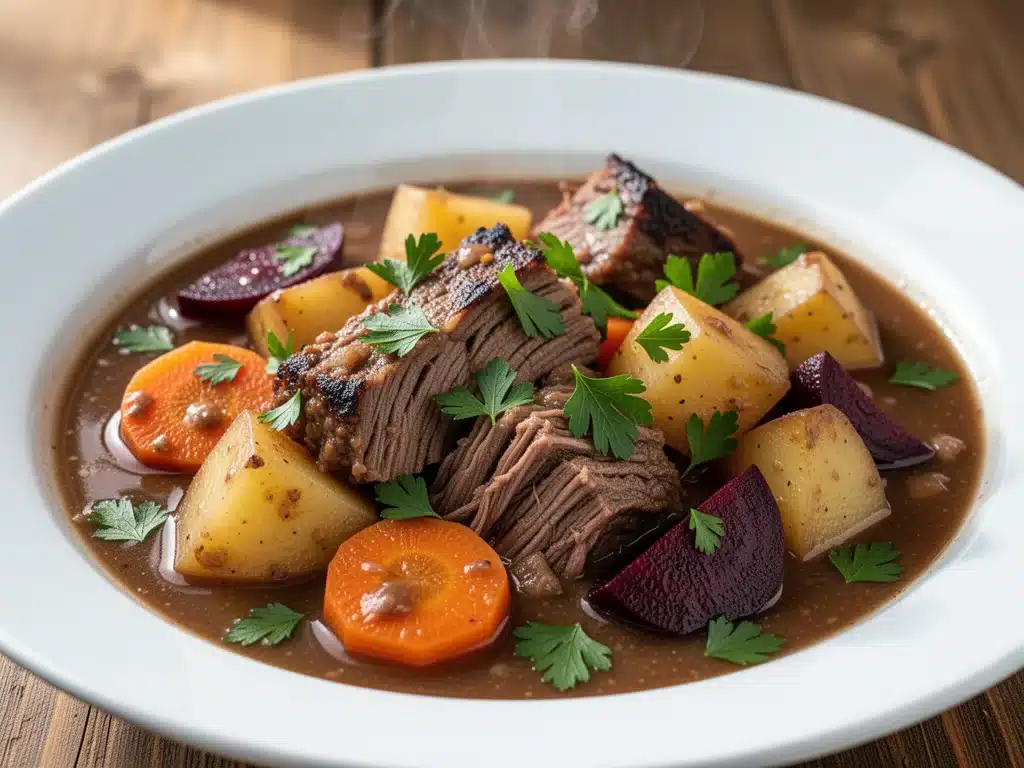
There was a time when “beef stew” and “weeknight dinner” existed in two entirely different universes. Stew was for lazy Sunday afternoons, for when you had four hours to spare and a deep desire to stand over the stove stirring a heavy pot. Weeknight dinners were for takeout menus, sad salads, and the occasional bowl of cereal eaten over the sink at 8:30 PM.
Then, I bought an Instant Pot. And then, I nearly broke it.
I remember the first time I tried to rush beef stew. I threw in tough chuck roast, chopped the vegetables into uneven chunks, and hit the button. Ten minutes later? The pressure release valve hissed like a angry dragon. I opened the lid to find a pot of watery soup with a few rubbery cubes of beef floating in it. It wasn’t dinner. It was a cry for help. I ate it anyway because throwing away food felt worse than eating sad beef.
But here’s the thing: I didn’t give up. I tested this recipe again. And again. And about fifteen times after that. I figured out that the secret isn’t just the appliance—it’s the technique. It’s about searing the meat properly so it doesn’t taste boiled. It’s about cutting the root vegetables so they actually get tender in the pressure cooking time. It’s about using the right amount of liquid so you don’t end up with soup or dry meat.
Now? This Instant Pot beef stew is my holy grail. It’s my answer to those nights when I get home from work exhausted, my kids are hangry, and the last thing I want to do is stand over a simmering pot for three hours. It’s rich, it’s hearty, and it tastes like it simmered all day, even though it only takes about 45 minutes of active time. I’ve made this for dinner parties (where people assume I spent all morning on it), for quick weeknight meals, and even for meal prep lunches that actually taste good on Wednesday.
If you’ve ever been intimidated by pressure cooking or think stew is too complicated for a Tuesday night, you need to try this. It’s forgiving, it’s flavorful, and it’s going to change your weeknight routine forever. Let me show you exactly how to make it without the stress.
Why You’ll Love This Instant Pot Beef Stew
I’ve been making this specific version of beef stew for over two years now, and it’s become the backbone of my cold-weather cooking. There are about a dozen reasons I keep coming back to it, but these are the ones that really matter when you’re staring at the clock at 6:00 PM.
Tender Beef Every Single Time — This is the biggest game-changer. Traditional stews often leave you with stringy, chewy beef that you have to cut with excessive effort. The pressure cooking method breaks down the connective tissue in chuck roast perfectly, turning it into fork-tender chunks that practically melt. I’ve had adults and kids alike comment on how soft the meat is, and I always point to the pot with a proud smile.
Set It and Forget It (Mostly) — Once you hit the button, you’re done. Well, almost. You have to do the prep, which takes about 15 minutes. But after that? You can go shower, help with homework, or just sit down. The pot does the hard work. This is crucial for busy parents who need dinner to happen without them becoming human sous-chefs.
One-Pot Wonder — Cleanup is the enemy of weeknight cooking. With this recipe, I chop veggies, sear meat, dump everything in, and press a button. When it’s done, I just wash the inner pot and my knives. That’s it. No separate pots for boiling vegetables, no saucepan for the gravy, no mess. This simplicity is why this recipe survives the test of time.
Flavor That Deepens — Pressure cooking doesn’t just cook food; it infuses it. The flavors of the thyme, garlic, and soy sauce penetrate the beef and vegetables deeper than slow cooking sometimes does. The result is a stew that tastes robust and complex, not like bland boiled meat and water. Even my picky eater, who usually picks out the carrots, asks for seconds of this.
Meal Prep Friendly — This stew actually tastes better the next day. The flavors meld together in the fridge, and when you reheat it, it’s even more cohesive. I make a big batch on Sunday and eat it for lunch three days in a row. It freezes beautifully too, which is a lifesaver for those unexpected late nights.
This isn’t just a recipe; it’s a stress-reliever. It’s the comfort food you can actually make on a Tuesday. And once you taste how tender the beef is, you’ll never go back to the slow cooker version for weeknights.
Ingredients You’ll Need
One of the best parts about this Instant Pot beef stew is that it relies on pantry staples and common grocery store items. You don’t need anything exotic or hard to find. Here’s what I use and why each ingredient matters.
Beef Chuck Roast (2 pounds / 900g) — This is the star. Chuck roast has the right amount of fat and connective tissue to stay juicy under pressure. Look for a roast that’s well-marbled. Trim the excess hard fat, but leave some—it adds flavor. Cut it into 1.5-inch cubes. If you use leaner cuts like sirloin, the beef will dry out. Trust me on this.
All-Purpose Flour (2 tablespoons) — This isn’t for thickening the sauce later; it’s for coating the beef before searing. It creates a crust that locks in juices and adds a subtle texture. Toss the beef cubes in the flour with a pinch of salt and pepper before putting them in the pot.
Vegetable or Olive Oil (2 tablespoons) — You need oil with a higher smoke point for searing. I use vegetable or canola oil. Olive oil works if it’s extra virgin, but be careful not to burn it. You’re searing, not frying.
Yellow Onion (1 large, diced) — The base of the flavor profile. Yellow onions are sweet and savory when cooked. Dice them evenly so they cook at the same rate as the other aromatics.
Garlic (4 cloves, minced) — Don’t skimp. Garlic is the soul of this stew. Fresh garlic is non-negotiable here. Jarred garlic has a sulfurous taste that doesn’t belong in a rich beef stew. If you’re lazy, buy pre-peeled cloves, but mince them yourself.
Carrots (3 large, cut into 1-inch chunks) — Carrots add sweetness and color. Cut them into substantial chunks so they don’t turn into mush. If you use baby carrots, halve or quarter them. Uniformity is key for even cooking.
Potatoes (1.5 pounds / 700g, Yukon Gold or Russet) — Yukon Golds hold their shape better, which I prefer for stews. Russets will break down more, making the stew thicker. Peel them and cut into 1.5-inch cubes. If you cut them too small, they’ll disintegrate.
Green Beans (1 cup, trimmed) — I add these in the last few minutes of cooking or during natural release. They add a fresh, crisp contrast to the soft root vegetables. If you prefer, you can use frozen green beans—they thaw quickly and cook perfectly.
Beef Broth (2 cups / 480ml) — Use low-sodium broth so you can control the saltiness. High-sodium broth can make the stew too salty, especially since you’re adding soy sauce. Homemade broth is ideal, but a good quality store-bought carton works fine.
Tomato Paste (2 tablespoons) — This adds depth and a rich, umami flavor. It’s not about making it taste like tomato sauce; it’s about adding complexity. Cook it with the onions for a minute to caramelize it slightly.
Soy Sauce (1 tablespoon) — This is my secret weapon. It adds saltiness and umami without making the stew taste Asian. It deepens the color of the beef and sauce. Worcestershire sauce is a good substitute if you don’t have soy sauce.
Worcestershire Sauce (1 teaspoon) — Adds a tangy, savory note. It’s a classic stew ingredient for a reason. A little goes a long way.
Dried Thyme (1 teaspoon) — Thyme is the perfect herb for beef. It’s earthy and slightly floral. Fresh thyme works too, but use twice the amount. I keep dried thyme stocked because it lasts forever.
Bay Leaf (1) — Add it for fragrance. Remove it before serving, or it’s unpleasant to bite into. It’s a subtle background note that ties everything together.
Butter (1 tablespoon, optional) — Stir this in at the very end for a glossy, rich finish. It’s not necessary, but it makes the stew feel more restaurant-quality.
Salt and Black Pepper — To taste. Always season in layers. Salt the beef, salt the veggies, and adjust at the end.
Equipment Needed
You don’t need a fancy kitchen to make this. Here’s what I actually use, and what you can swap out.
6-Quart Instant Pot or Pressure Cooker — I use the standard 6-quart model. It’s the perfect size for this amount of stew. If you have an 8-quart, double the recipe or just make a bigger batch. If you have a 3-quart, you’ll need to halve the recipe. Don’t overfill it past the 2/3 mark.
Sauté Function — Most electric pressure cookers have this. It’s essential for searing the beef and sautéing the aromatics in the same pot. If yours doesn’t, you’ll need a separate skillet for searing.
Chef’s Knife — A sharp knife makes chopping the beef and vegetables much easier and safer. Dull knives slip and cause accidents. I use my 8-inch chef’s knife for everything.
Wooden Spoon or Silicone Spatula — For stirring the stew. Metal spoons can scratch the non-stick coating of the inner pot, so stick to wood or silicone.
Measuring Cups and Spoons — For accuracy. Cooking is part science, and measuring ensures the liquid-to-solid ratio is correct for pressure cooking.
Colander — Optional, but helpful for rinsing the beef cubes if you want to remove excess blood before searing. I usually skip this, but some people prefer it.
Sharp Knife and Cutting Board — For prepping the vegetables. Use a sturdy board that doesn’t slide around.
Ladle — For serving. A ladle makes it easy to scoop out the tender beef and veggies with some of that rich broth.
How to Make It: Step-by-Step
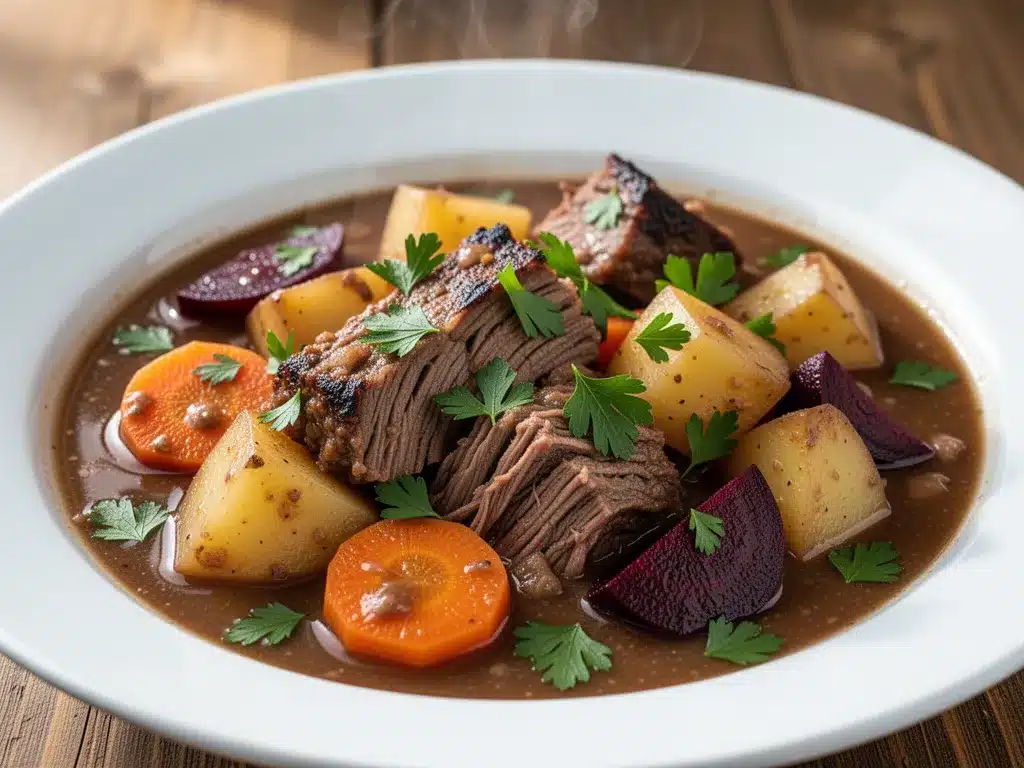
Alright, let’s make this! I’m walking you through exactly how I do it, including the little tricks I’ve picked up over dozens of batches. This method ensures tender beef, flavorful broth, and vegetables that are cooked perfectly—not mushy, not raw.
Step 1: Prep the Beef (5 minutes)
Pat the beef cubes dry with paper towels. This is crucial. If the beef is wet, it will steam instead of sear. Toss the beef with the flour, salt, and pepper in a large bowl. Make sure each cube is lightly coated. The flour helps create a crust and later thickens the stew slightly.
Step 2: Sear the Beef (5-7 minutes)
Set your Instant Pot to Sauté on High. Add the oil and let it heat up until it shimmers. Working in batches, add the beef cubes in a single layer. Don’t overcrowd the pot! If you crowd it, the beef will steam and won’t get a nice brown crust. Sear for 2-3 minutes per side until deeply browned. Transfer the seared beef to a plate. You’ll see fond (browned bits) on the bottom of the pot—don’t scrape it off yet; that’s flavor gold.
Step 3: Sauté the Aromatics (3 minutes)
Keep the pot on Sauté. Add the diced onion and cook for 2 minutes until softened. Add the minced garlic and cook for 30 seconds until fragrant. Stir in the tomato paste and cook for 1 minute, scraping up the browned bits from the bottom of the pot. This deglazing step is critical. If you don’t scrape up the fond, the pot might say “Burn” during pressure cooking. Scrape until the bottom is clean.
Step 4: Add the Vegetables and Liquids (2 minutes)
Return the seared beef and any juices on the plate to the pot. Add the carrots, potatoes, green beans, beef broth, soy sauce, Worcestershire sauce, thyme, and bay leaf. Stir everything together. Make sure the liquid comes up at least halfway up the vegetables, but don’t overfill the pot. The maximum fill line is usually marked inside the pot.
Step 5: Pressure Cook (35 minutes)
Secure the lid and set the valve to Sealing. Press the Manual or Pressure Cook button and set it to High Pressure for 35 minutes. The pot will take about 10-15 minutes to come to pressure before the timer starts. While it’s cooking, you can relax. This is the hands-off time.
Step 6: Natural Release (10-15 minutes)
Once the timer beeps, let the pressure release naturally for 10-15 minutes. This means do not touch the valve. Let the pot sit. This gradual release helps the beef stay tender and prevents the stew from splattering. After 10-15 minutes, carefully turn the valve to Venting to release any remaining pressure. Open the lid away from your face.
Step 7: Thicken and Finish (5 minutes)
Remove the bay leaf. Taste the stew. Add more salt and pepper if needed. If the stew is too thin, you can make a slurry: mix 1 tablespoon of cornstarch with 1 tablespoon of cold water. Stir it into the stew and set the pot to Sauté on Low for 2-3 minutes until thickened. Stir in the butter if using. Serve hot.
Step 8: Serve
Ladle into bowls. Top with fresh parsley if you have it. Serve with crusty bread or over mashed potatoes for extra comfort.
Expert Tips & Tricks
Here’s everything I’ve learned from making this dozens of times. These tips will save you from my early mistakes.
Don’t Skip the Sear — I know it’s tempting to just dump everything in. But searing the beef creates Maillard reaction, which adds a deep, savory flavor that boiling or steaming simply can’t achieve. It’s the difference between good stew and great stew.
Scrape the Bottom — This is the #1 reason Instant Pots fail with the “Burn” error. After sautéing the aromatics and tomato paste, take a wooden spoon and scrape the bottom of the pot thoroughly. If any browned bits remain, the pot will sense them and shut off. Clean bottom = successful cook.
Cut Vegetables Uniformly — If your carrot chunks are tiny and your potato chunks are huge, the carrots will turn to mush while the potatoes are still hard. Aim for 1-1.5 inch chunks for everything. Consistency ensures even cooking.
Use Low-Sodium Broth — Soy sauce and salted butter add sodium. If you use high-sodium broth, the stew will be too salty. Low-sodium gives you control. You can always add salt at the end, but you can’t take it out.
Natural Release Matters — Quick releasing pressure can cause the liquid to boil violently, potentially splattering hot broth and making the meat tougher. Natural release for 10-15 minutes keeps the meat tender and the stew calm.
Green Beans Timing — If you want your green beans to retain some crunch, add them during the last 5 minutes of natural release, or even after opening the lid and using the Sauté function briefly. If you add them at the start, they’ll be very soft.
Freezing Tip — This stew freezes well, but the potatoes may become slightly grainy after thawing. That’s normal. They’re still tasty, just not as firm. If you’re meal prepping, consider using sweet potatoes or keeping the potato portion separate if possible.
Variations & Substitutions
Once you’ve nailed the basic version, here’s how you can mix it up. I’ve tried all of these.
Gluten-Free Version — Swap the all-purpose flour for cornstarch or a gluten-free flour blend. Use tamari instead of soy sauce. Everything else is naturally gluten-free.
Low-Carb/Keto Version — Skip the potatoes and carrots, or replace them with turnips and radishes. Use coconut aminos instead of soy sauce. Thickener: skip the flour and use xanthan gum or just reduce the sauce longer.
Veggie-Loaded — Add peas, corn, or diced bell peppers. I often throw in a handful of frozen peas during the natural release for a pop of color and sweetness.
Spicy Kick — Add a teaspoon of red pepper flakes or a dash of hot sauce when you add the broth. Great if you like a little heat with your comfort food.
Different Herbs — Swap thyme for rosemary or a bouquet garni. Rosemary is particularly good with beef. Just use less, as it’s strong.
Serving & Storage
How to Serve: I usually serve this straight from the pot with a crusty baguette on the side. It’s perfect for dipping. A simple green salad with a vinaigrette cuts through the richness. For a heartier meal, serve over mashed potatoes or egg noodles.
Refrigerator: Store in an airtight container for up to 4 days. The flavors actually get better on day 2.
Freezing: Freeze in portions for up to 3 months. Thaw in the fridge overnight before reheating.
Reheating: Reheat on the stovetop over medium-low heat, stirring occasionally. Add a splash of broth or water if it’s too thick. Microwave in 1-minute intervals, stirring in between.
Nutrition Information
I’m not a nutritionist, but here’s the breakdown if you’re tracking. Per serving (based on 6 servings):
Calories: 380 | Protein: 30g | Carbs: 25g | Fiber: 4g | Fat: 18g | Sodium: 650mg
It’s a hearty, protein-rich meal. The vegetables add fiber and vitamins. If you’re watching sodium, use low-sodium broth and skip the added salt at the end.
Final Thoughts
So that’s my go-to Instant Pot beef stew! It’s saved me on countless busy weeknights, and I hope it becomes a staple in your kitchen too. It’s comforting, it’s easy, and it tastes like love. Make it yours by adding your favorite veggies or herbs. If you make this, drop a comment and let me know what you think! Happy cooking!
Frequently Asked Questions
Can I use a slow cooker instead?
Yes! Sear the beef and sauté the aromatics, then transfer everything to the slow cooker. Cook on Low for 6-8 hours or High for 3-4 hours. The texture will be slightly different, but still delicious.
Why did my stew say “Burn”?
Usually, this means there are undissolved tomato paste or flour bits stuck to the bottom of the pot. Make sure to deglaze thoroughly after sautéing. Also, ensure there’s enough liquid.
Can I use frozen vegetables?
You can, but add them at the end of cooking or during the natural release. Frozen carrots and potatoes might get too soft if pressure cooked for 35 minutes. Green beans and peas are fine to add frozen.
How do I thicken the stew?
Use a cornstarch slurry (1 tbsp cornstarch + 1 tbsp cold water) mixed in after cooking. Simmer on Sauté for 2 minutes. Or, mash a few potatoes against the side of the pot to release starch.
Is chuck roast the only beef I can use?
Chuck is best because of its fat content. Sirloin or round roast can work but may be leaner and tougher. If using leaner cuts, reduce cooking time slightly to 25-30 minutes.
Can I double the recipe?
Yes, but make sure you don’t exceed the 2/3 fill line of your Instant Pot. You may need to increase cooking time by 5 minutes if doubling.
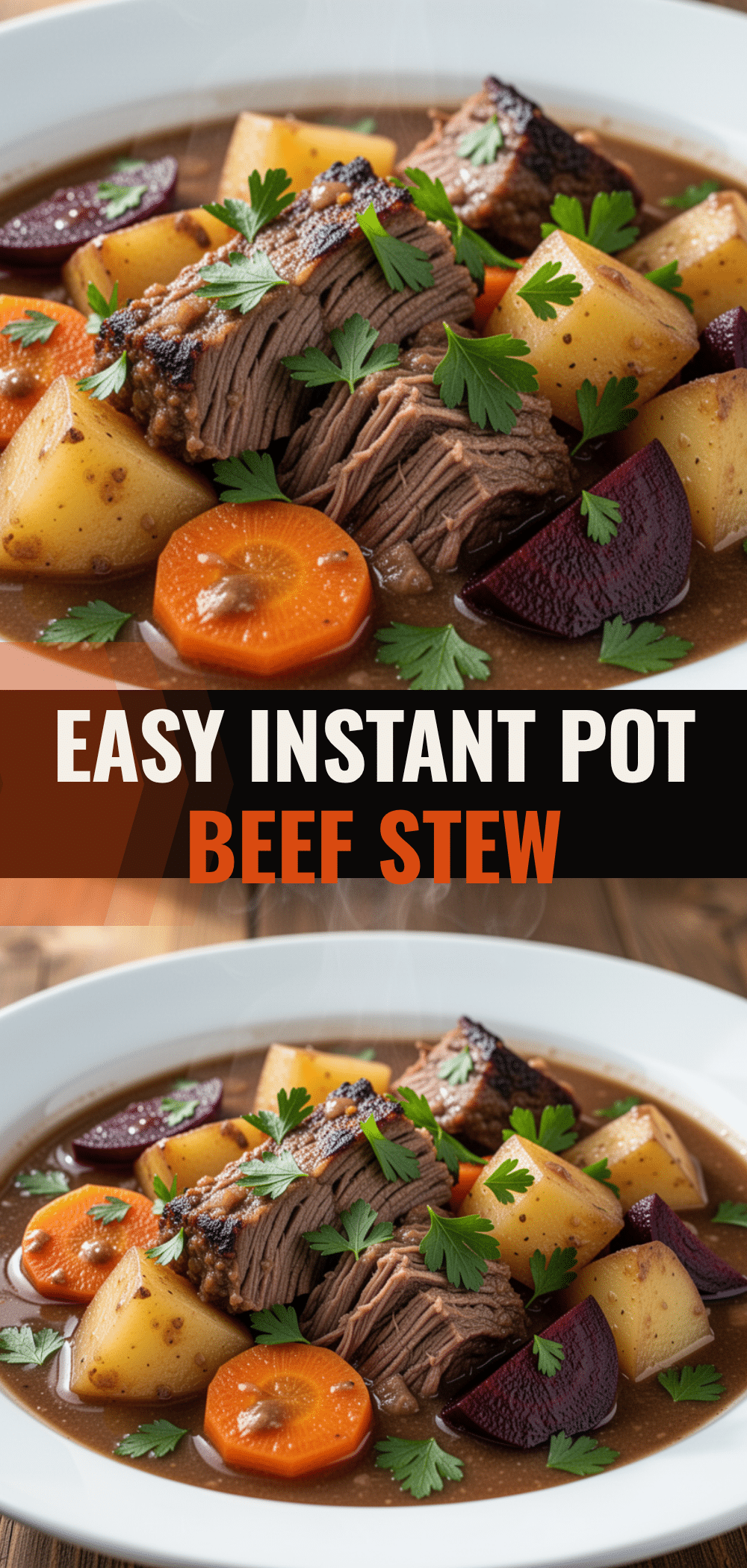
Pin This Recipe!
Instant Pot Beef Stew: Easy 15-Minute Weeknight Dinner
- Total Time: 45 minutes
- Yield: 6 servings 1x
Description
A rich, hearty beef stew made in an Instant Pot that yields fork-tender meat and flavorful vegetables in under an hour, perfect for busy weeknights.
Ingredients
- 2 pounds beef chuck roast, cut into 1.5-inch cubes
- 2 tablespoons all-purpose flour
- 2 tablespoons vegetable or olive oil
- 1 large yellow onion, diced
- 4 cloves garlic, minced
- 3 large carrots, cut into 1-inch chunks
- 1.5 pounds potatoes (Yukon Gold or Russet), peeled and cut into 1.5-inch cubes
- 1 cup green beans, trimmed
- 2 cups low-sodium beef broth
- 2 tablespoons tomato paste
- 1 tablespoon soy sauce
- 1 teaspoon Worcestershire sauce
- 1 teaspoon dried thyme
- 1 bay leaf
- 1 tablespoon butter (optional)
- Salt and black pepper to taste
Instructions
- Pat beef cubes dry and toss with flour, salt, and pepper until lightly coated.
- Set Instant Pot to Sauté on High. Add oil and heat until shimmering.
- Sear beef in batches (do not overcrowd) for 2-3 minutes per side until browned. Transfer to a plate.
- Add diced onion to the pot and cook for 2 minutes until softened. Add garlic and cook for 30 seconds.
- Stir in tomato paste and cook for 1 minute, scraping up browned bits from the bottom of the pot.
- Return beef and juices to the pot. Add carrots, potatoes, green beans, beef broth, soy sauce, Worcestershire sauce, thyme, and bay leaf.
- Secure lid, set valve to Sealing, and pressure cook on High for 35 minutes.
- Allow pressure to release naturally for 10-15 minutes, then carefully vent remaining pressure.
- Remove bay leaf. Taste and adjust seasoning. If needed, thicken with a cornstarch slurry (1 tbsp cornstarch + 1 tbsp cold water) using Sauté function for 2-3 minutes.
- Stir in butter if using. Serve hot with crusty bread or mashed potatoes.
Notes
Ensure the bottom of the pot is scraped clean after sautéing to prevent the ‘Burn’ error. Cut vegetables uniformly for even cooking. For a gluten-free version, swap flour for cornstarch and soy sauce for tamari. Green beans can be added later if you prefer them crisp-tender.
- Prep Time: 15 minutes
- Cook Time: 30 minutes
- Category: Main Course
- Cuisine: American
Nutrition
- Serving Size: 1 bowl
- Calories: 380
- Sugar: 6
- Sodium: 650
- Fat: 18
- Saturated Fat: 7
- Carbohydrates: 25
- Fiber: 4
- Protein: 30
Keywords: Instant Pot, beef stew, weeknight dinner, pressure cooker, chuck roast, one pot meal, meal prep


