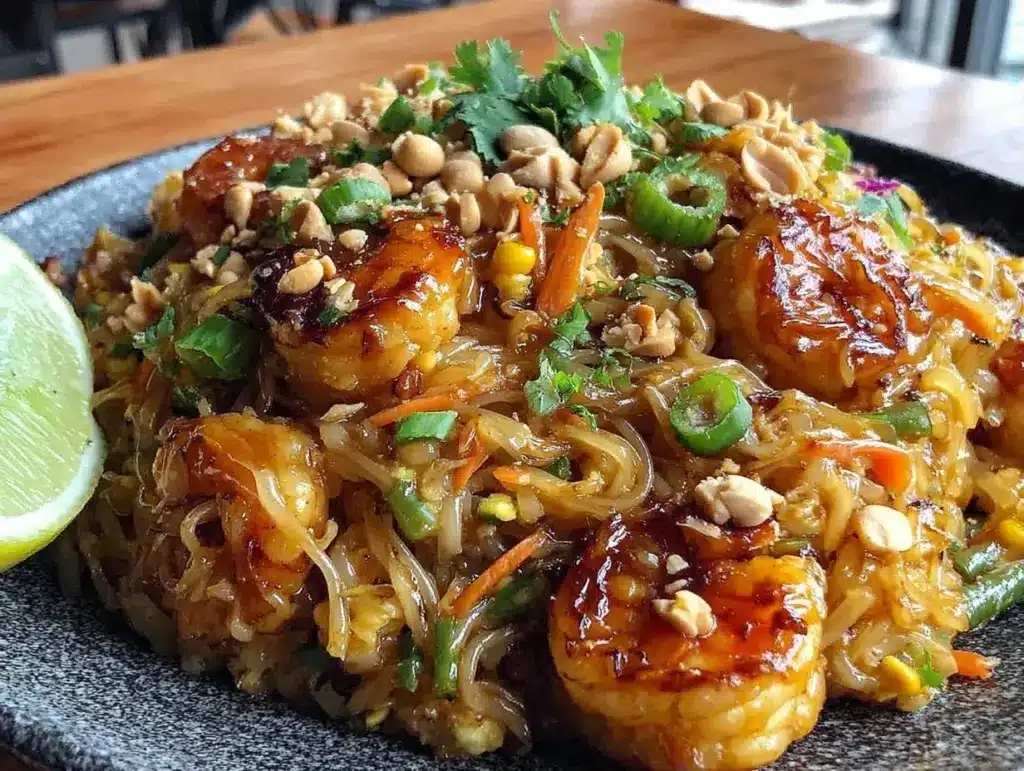
I was staring at the clock. It was 5:15 PM on a Tuesday, my kids were already complaining about being hungry, and I had absolutely nothing planned for dinner. No meal prep, no leftovers, and definitely no energy to go to the store. I was about to order takeout—again—when I remembered a jar of tamarind paste sitting in the back of my pantry. I’d bought it three months ago for a Thai curry that never happened. Why not try it here?
I threw together what I thought would be a mediocre, rushed stir-fry. I didn’t have time to make a complex sauce from scratch or soak rice noodles for an hour. I just wanted something fast, flavorful, and genuinely good. Twenty minutes later, I pulled a pan off the stove. The smell hit me first—sweet, sour, salty, and nutty. It was unmistakably Pad Thai. My husband took one bite and asked if I was going to add it to our rotation. Spoiler alert: It was added immediately.
This Easy Pad Thai with Tamarind Sauce Ready in 20 Min isn’t just about speed; it’s about that perfect balance of flavors you usually only get from a restaurant. I’ve tested this recipe a dozen times since that Tuesday. Some batches were too sour, others too sweet, but I finally nailed the ratio. Now, this Easy Pad Thai with Tamarind Sauce Ready in 20 Min is my go-to weeknight savior. It’s the answer to that dreaded “5pm and nothing planned” panic. If you’re tired of bland weeknight dinners, this Easy Pad Thai with Tamarind Sauce Ready in 20 Min will change your dinner routine forever.
Why You’ll Love This 20-Minute Pad Thai
Here’s the thing about weeknight cooking. You don’t have hours to simmer sauces or wait for dough to rise. You need dinner on the table before everyone loses their minds. This recipe is designed for real life. It’s not just “fast”; it’s strategically fast. Here’s why this specific version of Easy Pad Thai with Tamarind Sauce Ready in 20 Min works so well for busy families.
- One Pan Wonder — Seriously. One large skillet or wok. That’s it. I love this because cleanup takes two minutes. You can wash the pan while the noodles finish cooking, or just toss it in the dishwasher. No extra bowls for the sauce, no extra plates for prep. It’s the ultimate lazy cook’s dream.
- Pantry-Ready Sauce — You probably already have half the ingredients. Tamarind paste, fish sauce, sugar, and rice vinegar are the core. If you keep a jar of tamarind in your spice rack, you’re halfway there. I keep mine next to the spicy vegan cauliflower wings spices because we use both for quick weeknight wins.
- Customizable Proteins — This Easy Pad Thai with Tamarind Sauce Ready in 20 Min is incredibly flexible. Have shrimp? Use shrimp. Have chicken? Diced chicken works great. Want to save money? Use tofu. I’ve made this with leftover roast chicken, and it tastes just as good as the version with fresh seafood. It adapts to what’s in your fridge.
- Restaurant-Quality Flavor — People assume “fast” means “tasteless.” Not here. The tamarind provides that deep, funky sourness that lime juice alone can’t match. Combined with the salty fish sauce and sweet sugar, you get that complex sweet-sour-salty profile that makes you crave it. It rivals the best Thai spots in town.
- Minimal Prep Time — Because the sauce mixes in seconds and the noodles cook in minutes, your actual hands-on time is about 10 minutes. The rest is waiting. I’ve made this while helping my kids with homework. You just need to stay close to the stove for the final toss.
- Leftovers Taste Better — I know, I know. Most people think Pad Thai is best fresh. But honestly? The noodles absorb that delicious tamarind sauce overnight. Next day, it’s even more flavorful. It makes for a fantastic lunch box meal, which saves you from buying expensive lunch options.
This is my go-to when dinner needs to just work. It’s reliable, delicious, and requires zero special skills.
Key Ingredients for Your Pad Thai
Let’s talk about what goes into this Easy Pad Thai with Tamarind Sauce Ready in 20 Min. I want you to understand *why* each ingredient matters so you don’t get stuck at the store wondering what to buy.
Rice Noodles (8 oz / 225g)
Use flat rice noodles, about 1/4 to 1/2 inch wide. These are the classic Pad Thai noodles. Pro tip: Do not boil these in a pot of water. That’s a mistake I made early on. Instead, soak them in hot tap water for 10-15 minutes until they are pliable but still firm. They will finish cooking in the pan. If you boil them first, they turn to mush by the time you add the sauce.
Tamarind Paste (3 tbsp / 45g)
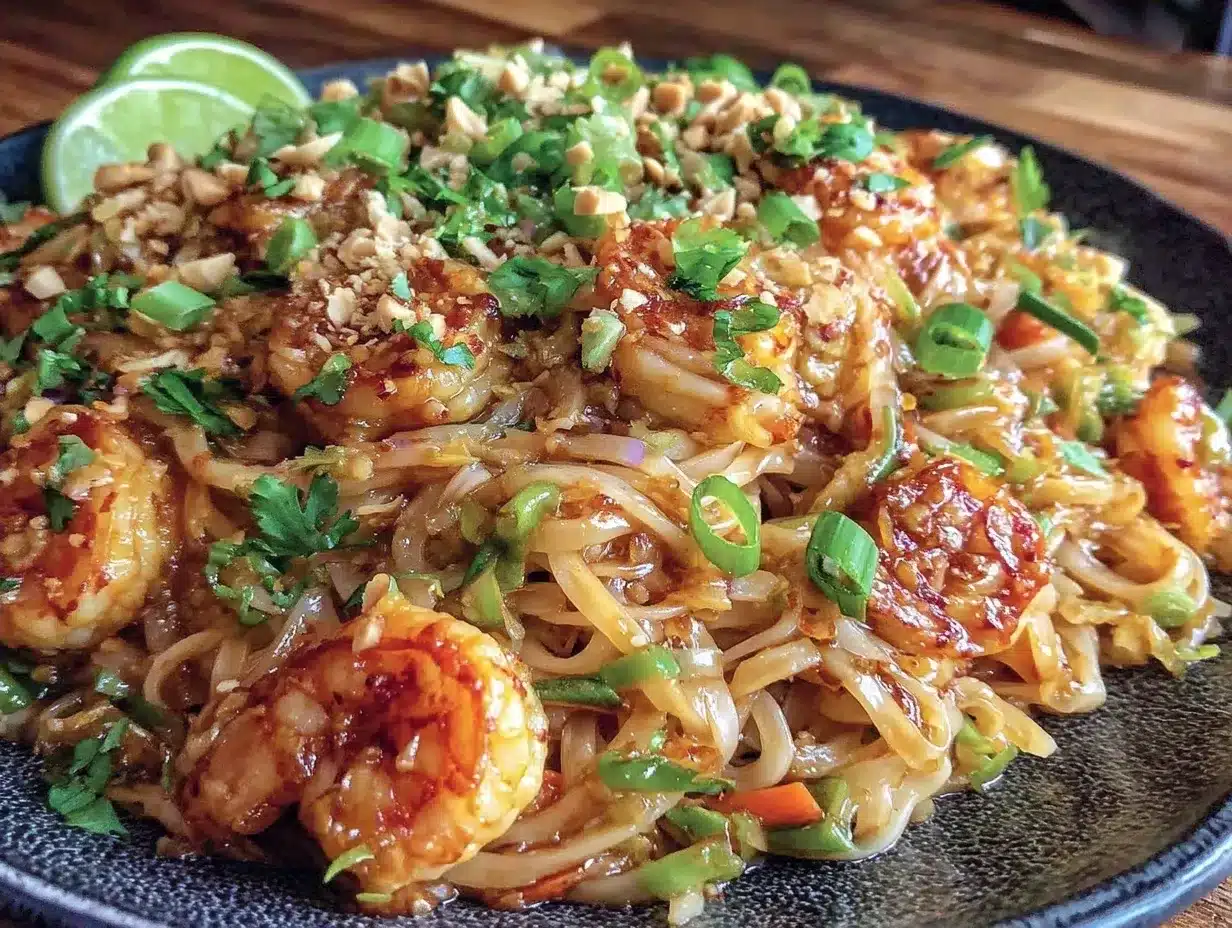
This is the star. Look for concentrate paste, not the sweetened tamarind cocktail mix. The paste is sour, tangy, and dark. It gives that authentic sour kick. If you can’t find it, you can substitute with 2 tbsp lime juice + 1 tbsp brown sugar, but the flavor won’t be quite the same. I buy the Sultan brand paste; it’s reliable and lasts forever in the fridge.
Fish Sauce (2 tbsp / 30ml)
Yes, it smells strong. No, you won’t taste “fish” in the final dish. It adds saltiness and umami depth. It’s non-negotiable for authentic flavor. If you hate fish sauce, you can use soy sauce or tamari, but you’ll lose that specific savory note. I use Red Boat brand because it’s pure and simple.
Granulated Sugar (2 tbsp / 30g)
You need sweetness to balance the sour tamarind and salty fish sauce. Granulated sugar dissolves fastest in the cold sauce mixture. Some recipes call for palm sugar, which is great if you have it, but granulated works perfectly fine and is easier to find. Don’t skip this, or the dish will be too sour.
Eggs (2 large)
Scrambled into the noodles, they add richness and protein. I like to push the noodles to the side of the pan and scramble the eggs in the empty space before mixing them in. It creates little fluffy bits of egg throughout the dish.
Shrimp (1 lb / 450g)
I use medium shrimp, peeled and deveined. They cook in 2-3 minutes. If you’re using chicken, cut it into thin strips so it cooks quickly. For a vegetarian version, use firm tofu cubes. I usually buy pre-peeled shrimp to save time. Saving the shells? Save them for one-pan honey garlic salmon stock or just freeze them for later.
Crushed Peanuts (1/4 cup / 30g)
For garnish. They add crunch and nuttiness. I buy unsalted roasted peanuts and crush them roughly with a mortar and pestle or in a ziplock bag with a rolling pin. Don’t use peanut butter unless you’re making a sauce from scratch; you want the texture of nuts here.
Garlic and Ginger (2 cloves garlic, 1 tsp fresh ginger)
Minced garlic and grated ginger. The aromatics. They infuse the oil and give the sauce a fragrant base. Fresh is best. Jarred ginger can work in a pinch, but fresh has a brighter kick.
Bean Sprouts (1 cup / 30g)
Added at the very end. They stay crisp and fresh, providing a nice textural contrast to the soft noodles. Don’t cook them long. Just toss them in right before you turn off the heat.
Lime Wedges
For serving. Squeezing fresh lime juice over the finished dish brightens everything up. It’s the final touch.
Tools You Need
You don’t need fancy equipment. Here’s what I use to make this Easy Pad Thai with Tamarind Sauce Ready in 20 Min efficiently.
- Large Wok or Skillet — I use a 12-inch carbon steel wok. It has high sides, which helps when tossing noodles. A large non-stick skillet works too, but you need the surface area. If your pan is too small, the noodles will steam instead of fry.
- Large Bowl — For soaking the noodles. Just a standard mixing bowl.
- Small Bowl — For mixing the sauce. It’s easier to mix the tamarind, fish sauce, and sugar in a separate bowl before pouring it over everything.
- Tongs or Spatula — I prefer tongs for tossing the noodles. They get under the noodles better than a spoon, ensuring even coating.
- Measuring Spoons — For the sauce. Precision matters here because the balance of sweet/sour/salty is delicate.
That’s it. No fancy blenders, no special knives. Just basic kitchen gear.
How to Make It (Step-by-Step)
Let’s get cooking. This part is fast, so have everything prepped before you turn on the heat. This is called “mise en place,” but let’s call it “being organized so you don’t burn dinner.”
Step 1: Soak the Noodles (10 minutes)
Place your rice noodles in a large bowl. Pour boiling water over them until they are fully submerged. Let them sit. Do not cook them in a pot. You want them pliable, not fully cooked. After 10 minutes, check a noodle. It should bend easily but still have a slight chew. If it snaps, soak for another 2 minutes. Drain and rinse with cold water to stop the cooking. Toss with a teaspoon of oil to prevent sticking.
Step 2: Mix the Sauce (2 minutes)
In a small bowl, whisk together 3 tbsp tamarind paste, 2 tbsp fish sauce, 2 tbsp sugar, and 1 tbsp water (optional, if the paste is too thick). Taste it. It should be strong. If it’s too sour, add a little more sugar. If it’s too sweet, add a splash more tamarind. This sauce is the soul of the dish.
Step 3: Cook the Protein (3-4 minutes)
Heat 1 tbsp oil in your wok or skillet over medium-high heat. Add your shrimp (or chicken/tofu). Season with a pinch of salt. Cook until the shrimp are pink and opaque, about 2-3 minutes. Remove them from the pan and set aside on a plate. Don’t leave them in the hot pan or they’ll get rubbery.
Step 4: Sauté Aromatics (1 minute)
Add another tablespoon of oil to the same pan. Lower heat to medium. Add minced garlic and ginger. Stir constantly for about 60 seconds. You want them fragrant, not brown. Browned garlic tastes bitter. If you see the garlic turning golden, you’ve gone too far. Immediately add your soaked noodles and the cooked protein back into the pan.
Step 5: Combine and Sauce (2-3 minutes)
Pour the tamarind sauce over the noodles. Use your tongs to toss everything together. The noodles will absorb the sauce quickly. If it looks dry, add a splash of water. Keep tossing for 2 minutes until the noodles are coated and heated through. The sauce should cling to the noodles, not pool at the bottom.
Step 6: Add Eggs and Bean Sprouts (1 minute)
Push the noodles to one side of the pan. Crack two eggs into the empty space. Scramble them quickly with your spatula. Once the eggs are mostly set, mix them into the noodles. Add the bean sprouts and half the crushed peanuts. Toss for another 30 seconds. The bean sprouts should wilt slightly but still be crunchy.
Step 7: Serve (Immediate)
Transfer to plates. Top with the remaining peanuts, chopped green onions (if you have them), and a squeeze of fresh lime. Eat immediately. This Easy Pad Thai with Tamarind Sauce Ready in 20 Min is best hot off the stove.
Total Time Breakdown: 10 mins prep/soak + 10 mins cooking = 20 minutes total.
Expert Tips from a Pad Thai Veteran
Here’s everything I learned from making this too many times. These tips separate the good Pad Thai from the great Pad Thai.
Don’t Overcrowd the Pan
If you have a small pan, cook in batches. Overcrowding lowers the temperature of the pan, causing the noodles to steam instead of fry. You want that slight char and separation of noodles. I learned this the hard way when my first batch turned into a sticky clump. Patience pays off.
The Sauce Balance is Key
Thai cooking is all about balance. If your sauce tastes perfect on its own, it will taste perfect on the noodles. Taste the sauce before you pour it. If it’s too sour, add sugar. If it’s too salty, add tamarind or lime. Don’t rely on the noodles to fix it; they absorb salt quickly.
Use Day-Old Noodles if Possible
Fresh rice noodles are great, but if you have leftover noodles from a previous meal, they work well too. They’re drier, which means they absorb sauce better without getting mushy. Just make sure they aren’t stale or hard.
High Heat is Your Friend
Keep the heat medium-high. You want a quick cook. Low and slow will make the noodles gummy. You’re stir-frying, not simmering.
Common Problems & Solutions
- Noodles are too sticky: You didn’t rinse them after soaking, or you didn’t toss them with oil. Rinse well and coat with oil before cooking.
- Sauce is too thin: You added too much water. Cook it longer on high heat to reduce it, or add a cornstarch slurry (1 tsp cornstarch + 1 tsp water).
- Noodles are too hard: You didn’t soak them long enough. Soak them longer next time. Or, add a splash of water to the pan and cover for 1 minute to steam them through.
Recipe Variations
Once you’ve nailed the basic version, here’s how to mix it up. This Easy Pad Thai with Tamarind Sauce Ready in 20 Min is a canvas.
Vegetarian Pad Thai
Skip the shrimp and fish sauce. Use firm tofu cubes, pressed and pan-fried until crispy. Replace fish sauce with soy sauce or a vegan fish sauce alternative. Add extra veggies like bell peppers, carrots, and mushrooms. It’s just as satisfying.
Chicken Pad Thai
Use thinly sliced chicken breast. Marinate it in a little cornstarch and soy sauce for 10 minutes before cooking. This “velvets” the chicken, keeping it tender. Cook it first, remove, then proceed as usual.
Spicy Pad Thai
Add 1-2 tsp of chili flakes or sriracha to the sauce mixture. Or, garnish with fresh sliced chili peppers. If you like heat, this is the way to go. I like to add a dash of chili oil at the end for extra depth.
Vegan Pad Thai
Use tofu and vegan fish sauce. Add extra vegetables like snap peas and broccoli. It’s hearty and delicious. I often make this for my vegetarian friends, and they love it.
Gluten-Free Pad Thai
Rice noodles are naturally gluten-free. Just ensure your fish sauce and tamarind paste are certified gluten-free. Most are, but check labels. This recipe is inherently GF-friendly.
Serving & Storage
Serving Suggestions
I serve this Easy Pad Thai with Tamarind Sauce Ready in 20 Min with a side of steamed jasmine rice or a simple cucumber salad. For toppings, I always include crushed peanuts, chopped green onions, and lime wedges. It’s interactive and fun. My kids love squeezing their own lime.
Storage
Refrigerator: Store leftovers in an airtight container for up to 3 days. The noodles will absorb more sauce, so they might look dry. Add a splash of water when reheating.
Freezer: I don’t recommend freezing this. The noodles become mushy and lose their texture when thawed. It’s best eaten fresh or refrigerated for a day or two.
Reheating: Reheat in a skillet over medium heat with a splash of water. Microwave works too, but the texture won’t be as good. Stir frequently to prevent sticking.
Nutrition Information
I’m not a nutritionist, but here’s the breakdown. This is comfort food with shrimp, peanuts, and noodles. It’s indulgent but balanced with protein and veggies.
| Nutrient | Per Serving (approx.) |
|---|---|
| Calories | 450 |
| Protein | 25g |
| Carbs | 55g |
| Fiber | 3g |
| Fat | 15g |
| Sodium | 800mg |
My Take: It’s a hearty meal. The sodium is moderate due to fish sauce, but you can reduce it by using less. It’s a great weeknight dinner that feels special without being heavy.
Final Thoughts
This Easy Pad Thai with Tamarind Sauce Ready in 20 Min is more than just a recipe. It’s a reminder that you can make restaurant-quality food at home without the stress. It’s fast, it’s flavorful, and it’s forgiving. I hope you try it and love it as much as I do. If you make this, drop a comment! I love hearing how it turns out in your kitchen. Did you add extra shrimp? Did you use tofu? Let me know.
Happy cooking!
FAQs
Can I use dried rice noodles instead of fresh?
Yes! Most rice noodles come dried. Just soak them in hot water as directed in the recipe. Fresh noodles are softer, but dried noodles work perfectly if you soak them long enough. Look for “flat rice noodles” or “sen lek” on the package.
What if I don’t have tamarind paste?
You can substitute with lime juice and brown sugar. Use 3 tbsp lime juice and 2 tbsp brown sugar. It won’t be exactly the same, but it will still be delicious. Tamarind has a unique fermented sourness that lime can’t fully replicate, but it’s a good backup.
Can I make this ahead of time?
You can prep the sauce and soak the noodles ahead of time. Store the sauce in the fridge and the noodles in a sealed bag. When you’re ready to cook, just toss everything in the pan. This saves even more time on weeknights.
Why is my Pad Thai too sour?
You probably used too much tamarind or not enough sugar. Taste the sauce before adding it to the noodles. Add more sugar or a splash of water to dilute it. Balance is key!
Can I use egg noodles instead of rice noodles?
You can, but it changes the dish. Egg noodles are wheat-based and have a different texture. It will taste more like a Chinese chow mein than Thai Pad Thai. For authentic results, stick to rice noodles.
How do I get the noodles not to stick?
Rinse them well after soaking and toss with a little oil. Also, don’t let them sit in the pan without stirring. Keep them moving!
Is this recipe spicy?
No, the base recipe is not spicy. It’s sweet, sour, and salty. If you want heat, add chili flakes, sriracha, or fresh chilies. You control the spice level.
Pin This Recipe!
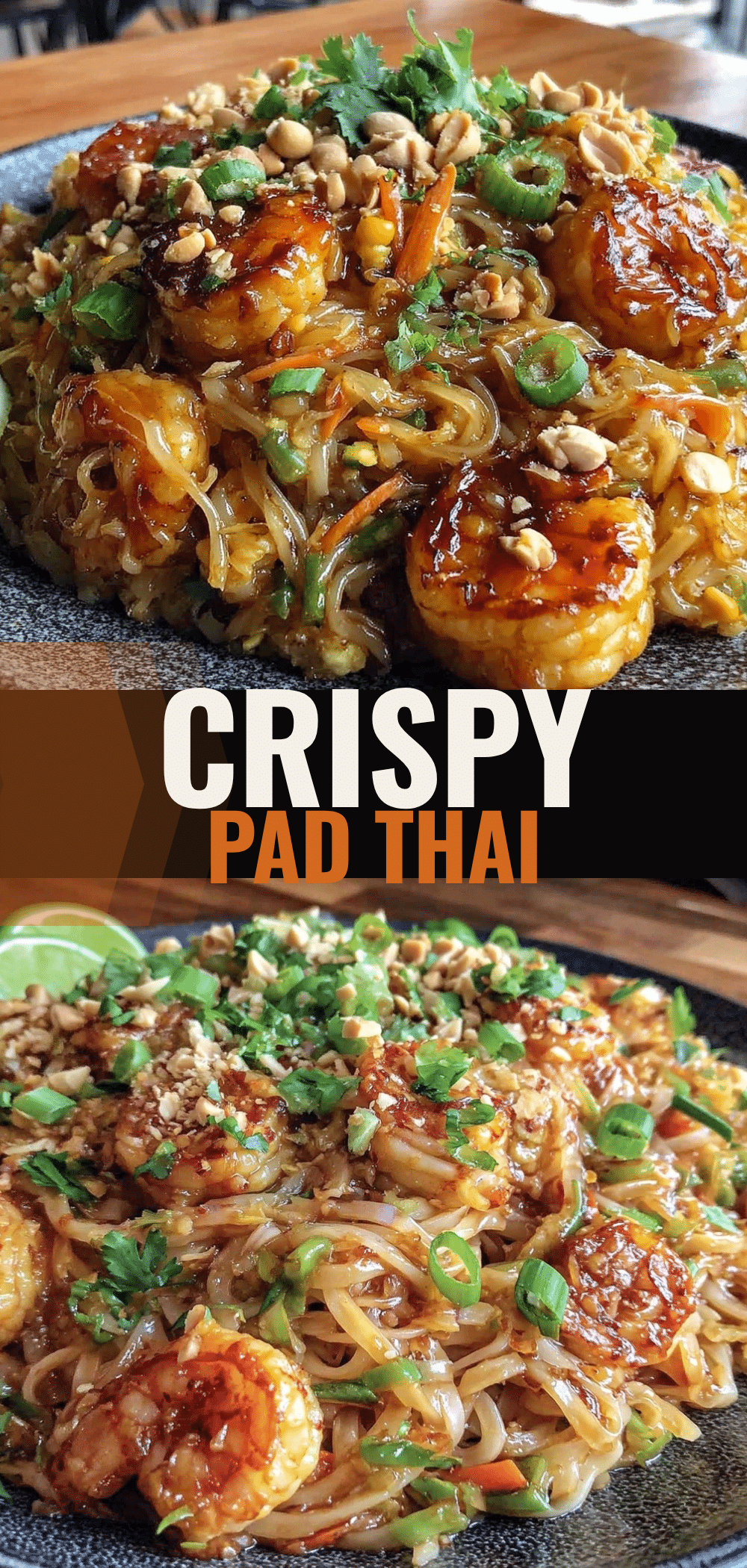
Easy Pad Thai with Tamarind Sauce Ready in 20 Min
- Total Time: 20 minutes
- Yield: 4 servings 1x
Description
A quick and flavorful weeknight dinner that balances sweet, sour, and salty flavors using tamarind paste. This one-pan recipe is ready in just 20 minutes and is customizable with shrimp, chicken, or tofu.
Ingredients
- 8 oz (225g) flat rice noodles
- 3 tbsp (45g) tamarind paste
- 2 tbsp (30ml) fish sauce
- 2 tbsp (30g) granulated sugar
- 1 tbsp water (optional, if paste is thick)
- 2 large eggs
- 1 lb (450g) medium shrimp, peeled and deveined
- 1/4 cup (30g) crushed roasted peanuts
- 2 cloves garlic, minced
- 1 tsp fresh ginger, grated
- 1 cup (30g) bean sprouts
- 2 tbsp cooking oil (divided)
- Lime wedges, for serving
- Chopped green onions, for garnish (optional)
Instructions
- Soak rice noodles in a large bowl of boiling water for 10-15 minutes until pliable but firm. Drain, rinse with cold water, and toss with a teaspoon of oil to prevent sticking.
- In a small bowl, whisk together tamarind paste, fish sauce, sugar, and water. Taste and adjust sweetness or sourness as needed.
- Heat 1 tbsp oil in a large wok or skillet over medium-high heat. Add shrimp and season with salt. Cook for 2-3 minutes until pink and opaque. Remove shrimp and set aside.
- Add another tablespoon of oil to the pan. Lower heat to medium and sauté garlic and ginger for about 60 seconds until fragrant but not brown.
- Add the soaked noodles and cooked shrimp back into the pan. Pour the tamarind sauce over everything and toss with tongs for 2-3 minutes until noodles are coated and heated through.
- Push noodles to one side of the pan. Scramble eggs in the empty space. Once set, mix eggs into the noodles.
- Add bean sprouts and half the crushed peanuts. Toss for 30 seconds until sprouts wilt slightly.
- Serve immediately, topped with remaining peanuts, green onions, and a squeeze of fresh lime.
Notes
Do not boil the rice noodles; soak them in hot water instead to prevent mushiness. Ensure the sauce is balanced (sweet/sour/salty) before adding to noodles. For a vegetarian version, substitute shrimp with firm tofu and fish sauce with soy sauce or vegan fish sauce. Leftovers can be stored in the refrigerator for up to 3 days.
- Prep Time: 10 minutes
- Cook Time: 10 minutes
- Category: Main Course
- Cuisine: Thai
Nutrition
- Serving Size: 1 plate
- Calories: 450
- Sugar: 12
- Sodium: 800
- Fat: 15
- Saturated Fat: 3
- Carbohydrates: 55
- Fiber: 3
- Protein: 25
Keywords: Pad Thai, Thai food, quick dinner, weeknight meals, tamarind sauce, shrimp recipe, one pan meal, 20 minute recipes


