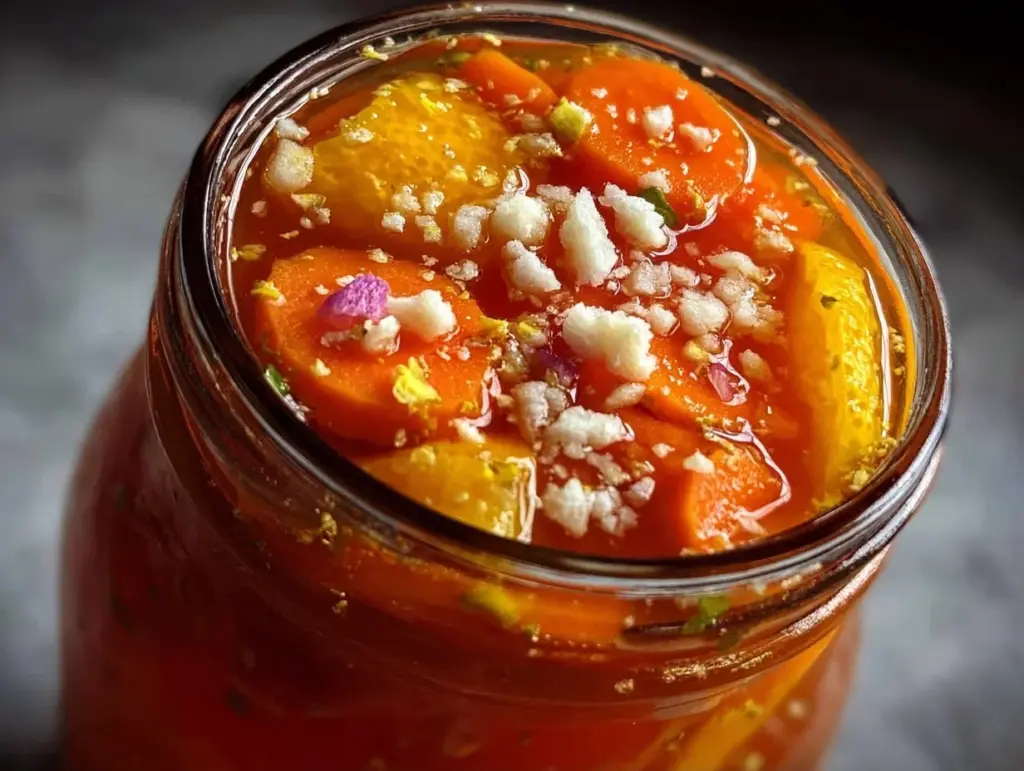
It was mid-November last year. The kind of November where the sun gives up by 4:30 PM and the wind feels like it’s personally trying to freeze your eyebrows off. My husband had just caught the “office bug,” and three days later, my youngest came home from school with a fever and a cough that sounded like he was clearing gravel out of his throat. I stood in my kitchen, staring at a bottle of store-bought cough syrup that cost $8 and tasted like chemical cherry syrup, and I thought, There has got to be a better way.
I didn’t want to spend a fortune on supplements. I didn’t want to rely on medicine cabinet staples that made everyone groggy. I wanted something I could make myself, something that used ingredients I already had, and something that actually tasted like it did something. That afternoon, I dug out an old mason jar, raided my vegetable drawer for the gnarliest ginger root and the spiciest onions I could find, and poured in the cheapest apple cider vinegar I could locate. That was my first batch of fire cider.
Fast forward to this morning. The cold season is in full swing. I’m not a medicine woman, and I’m not a doctor. But I am a parent who has spent hundreds of dollars on remedies that barely worked. This immune boosting fire cider tonic for cold season has become the backbone of our winter health routine. It’s spicy, it’s tangy, it’s potent, and best of all? It costs about $5 to make a batch that lasts for months. I’ve made this immune boosting fire cider tonic for cold season so many times now that I can do it in my sleep. It’s become my family’s secret weapon against the sniffles, and I’m sharing exactly how to make it without breaking the bank.
Why You’ll Love This Budget-Friendly Fire Cider
Look, I get it. Making tonics sounds like something you’d only do if you lived in a yurt or drank from a cauldron. But this isn’t about mysticism. It’s about practical, cheap, effective health. Here is why this immune boosting fire cider tonic for cold season earns a permanent spot in my pantry:
- Insanely Affordable — I spent $4.50 on ingredients for a full quart of tonic. Store-bought versions run $12-$15 for half that amount. When you’re feeding a family, that adds up fast.
- Uses Pantry Staples — You probably already have apple cider vinegar, garlic, and ginger in your kitchen. You don’t need to order exotic herbs online.
- Zero Food Waste — After the infusion is done, you don’t toss the veggies. You eat them! It’s a great way to use up that sad-looking ginger root or the last few cloves of garlic.
- Make-Ahead Magic — It takes 10 minutes of active work. The rest is just sitting in the jar. I make this once in October, and it lasts until spring.
- Customizable Heat — Hate spice? Use less cayenne. Love a kick? Add jalapeños. This immune boosting fire cider tonic for cold season bends to your family’s palate.
This is my go-to when the weather turns and I need a simple, natural way to support our immune systems without spending a fortune.
Key Ingredients for Your Fire Cider
Let’s talk about what goes into this immune boosting fire cider tonic for cold season. I keep it simple because simple works. You don’t need expensive superfoods. You need strong, pungent ingredients that pack a punch.
Apple Cider Vinegar (ACV) (1 quart / 946 ml) — This is the base. Look for “with the mother.” It’s cloudy and unpasteurized. It’s where the good stuff lives. I buy the big 64-ounce jugs from Costco or my local grocery store’s bulk section. Don’t buy the fancy flavored stuff; stick to plain. It costs about $6 for the big jug, but you only need a quart, so it lasts forever.
Organic Garlic (1 head / approx. 10-12 cloves) — Garlic is the heavy lifter here. It’s antimicrobial and antiviral. I use a whole head because I want that robust garlic flavor. If you’re sensitive to raw garlic, you can use fewer cloves, but for a family tonic, I go full force. Peel them and leave them whole or roughly chop them.
Fresh Ginger Root (1 large knob / approx. 3 inches / 60g) — Fresh is non-negotiable. Powdered ginger doesn’t have the same enzymatic power. Look for firm ginger that doesn’t feel dry. Wash it well; you don’t need to peel it if it’s organic. The skin has flavor. Slice it into coins or rough chunks.
Hot Peppers (2-3 fresh jalapeños or 1 habanero / approx. 30g) — This is what makes it “fire” cider. Jalapeños are mild and accessible. Habaneros bring the heat. If you have kids drinking this, start with one jalapeño and remove the seeds. If you want a real burn, use a habanero or add a teaspoon of cayenne pepper. I usually use two jalapeños for a medium kick.
Onion (1 medium yellow onion / approx. 150g) — Onions add sulfur compounds that are great for respiratory health. Yellow onions are cheapest and have the strongest flavor. Chop them into large chunks. You don’t need to dice these finely; we’re infusing the vinegar, not making salsa.
Dried Oregano (2 tablespoons / 10g) — Oregano is another immune booster. I buy the big shakers from the spice aisle. It’s cheap and potent. If you have fresh oregano, use twice as much, but dried is easier to store and often more concentrated in flavor for this purpose.
Cayenne Pepper (1 teaspoon / 2g) — Optional, but recommended for that extra circulation-boosting heat. It’s a pantry staple for most of us. If you already have spicy peppers, you can skip this, but I like the extra zing.
Raw Honey (Optional, for serving / approx. 1-2 tbsp per dose) — I don’t put honey in the jar because it can ferment and spoil the vinegar over long periods. I add a spoonful of local raw honey to each serving if my kids (or I) need to sweeten it up. It’s soothing for sore throats and masks the vinegar bite.
Tools You Need
You don’t need fancy equipment. I’m a budget cook, not a chef with a $5,000 kitchen. Here’s what I use:
1-Quart Glass Mason Jar — I use a wide-mouth quart jar. Glass is essential because the acid in the vinegar can react with metal or plastic. Do not use a plastic jar. It will leach chemicals into your tonic. A reused pasta sauce jar works if you clean it thoroughly, but a proper mason jar is best.
Non-Metallic Spoon — Use a wooden spoon or a silicone spatula. Metal can react with the vinegar. I have a dedicated wooden spoon for this so I don’t mix it up with my stirring spoon for chili.
Funnel — A small plastic or silicone funnel makes straining the liquid much easier. I keep a cheap one in my utensil drawer.
Cheesecloth or Fine Mesh Strainer — To separate the liquid from the solid veggies. I use a fine mesh strainer lined with cheesecloth. You can also just squeeze the veggies in a clean tea towel if you don’t have cheesecloth.
How to Make Immune Boosting Fire Cider
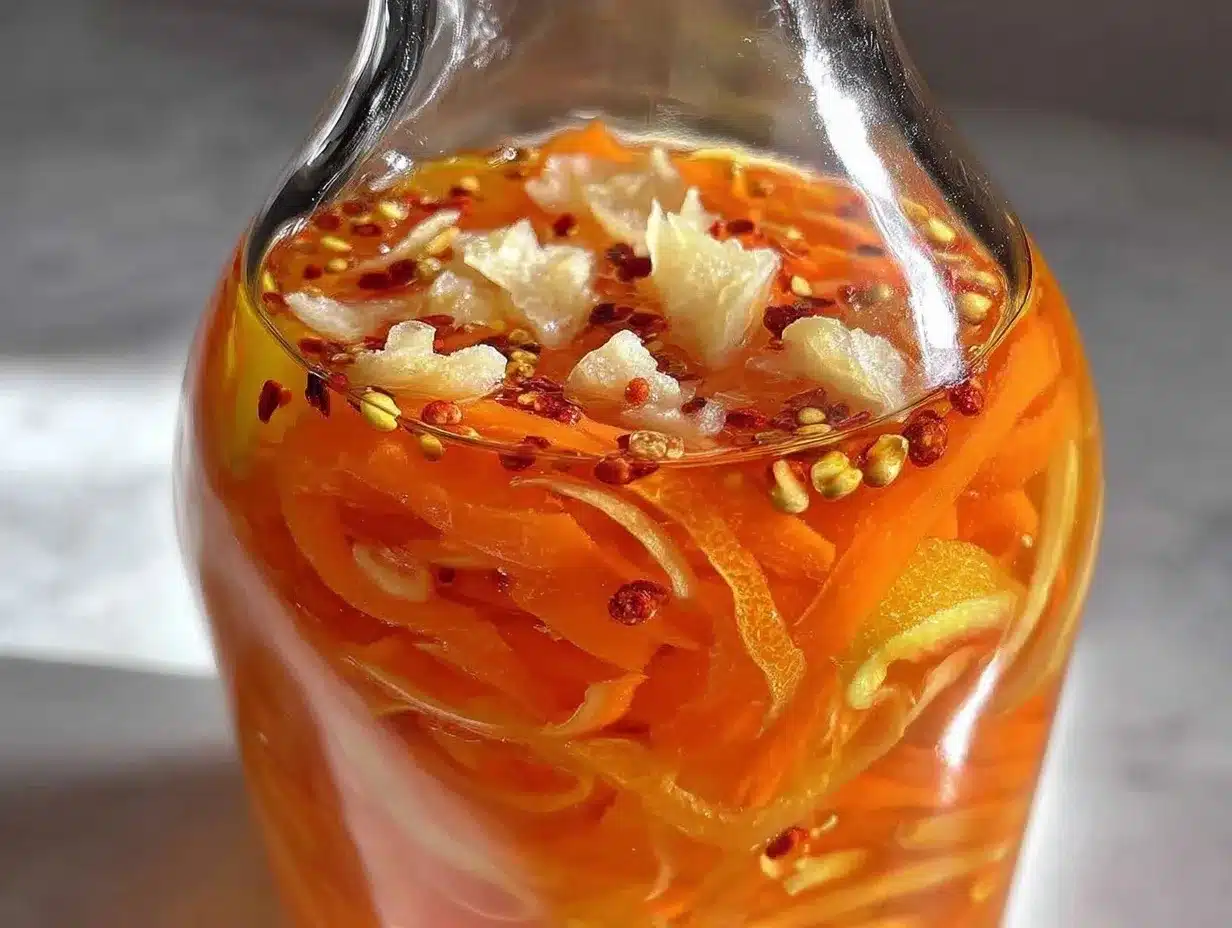
Let’s get into the nitty-gritty. Making this immune boosting fire cider tonic for cold season is straightforward, but timing matters. Here is exactly how I do it.
Step 1: Prep Your Veggies (10 minutes)
Wash everything thoroughly. Scrub the ginger root under hot water. Peel the garlic cloves. Chop the onion into large chunks. Slice the peppers. If you’re using fresh herbs like thyme or rosemary, wash and chop them too. I usually chop everything into roughly the same size so it packs nicely into the jar. Don’t worry about being precise; this is rustic stuff.
Step 2: Pack the Jar (5 minutes)
Place your chopped veggies and herbs into your clean, dry quart jar. Pack them in tight. You want to use up most of the space. The garlic, ginger, onion, and peppers should fill the jar about halfway to two-thirds full. If you have leftover space, add more ginger or garlic. Just make sure there’s enough solid material to infuse the vinegar.
Step 3: Pour the Vinegar (5 minutes)
Pour the apple cider vinegar over the veggies. Use a funnel to avoid spills. Make sure the vinegar covers the vegetables completely. There should be at least an inch of vinegar above the solids. If the veggies float, push them down with a spoon. Oxygen is the enemy here; you want the vinegar touching everything to prevent mold.
Step 4: The Wait (2-4 weeks)
Put the lid on tightly. Store the jar in a cool, dark place like a pantry or cupboard. You don’t need to refrigerate it yet. Shake the jar gently every few days. This helps distribute the flavors. You’ll see bubbles forming, which is normal. Let it sit for at least 2 weeks, but 4 weeks is better. The longer it sits, the stronger and more potent it gets. I usually make mine in late October so it’s ready by Thanksgiving.
Step 5: Strain and Store (15 minutes)
After 2-4 weeks, it’s time to strain. Line your strainer with cheesecloth and place it over a large bowl or pitcher. Pour the contents of the jar into the strainer. Let it drip for a while. Once most of the liquid is out, squeeze the veggies in the cloth to get every last drop of goodness. Discard the solids (or eat them in a salad if you’re brave). Pour the finished fire cider into a clean glass bottle or jar. Seal it tightly.
Total Time: 30 minutes active work + 2-4 weeks waiting.
Expert Tips from a Budget Mom
I’ve made this too many times to count. Here is everything I learned from making this immune boosting fire cider tonic for cold season the hard way.
Don’t Skimp on the Garlic
The first time I made this, I was lazy and only used four cloves of garlic. The result? Weak, watery flavor. Garlic is the star. Use a whole head. Your nose will thank you, and your immune system will too.
Check for Mold
If you see white film or bubbles on top, that’s usually just yeast, which is harmless. But if you see fuzzy green or black spots, toss the whole batch. It means mold got in. Always ensure your veggies are fully submerged in vinegar.
Double the Batch
I always make two jars. One for drinking, one for salad dressings. Fire cider makes an amazing vinaigrette base. Mix it with olive oil and mustard. It’s a great way to stretch your investment.
Storage Life
This immune boosting fire cider tonic for cold season lasts for 3-4 months in the pantry. Once opened, it’s best kept in the fridge to preserve the potency of the fresh ingredients, though the high acidity keeps it safe for a long time.
Recipe Variations
Once you’ve nailed the basic version, here’s how to mix it up based on what’s in your garden or budget.
The Garden Fresh Version
If you have access to fresh herbs, add thyme, rosemary, or sage. These are great for respiratory health. I often pick fresh thyme from my garden and throw it in. It smells incredible.
The Sweet Tooth Version
Some people add a slice of orange or lemon to the jar. The citrus adds vitamin C and brightens the flavor. Just make sure the citrus is fully submerged, as the skin can sometimes introduce mold if not clean.
The Mild Version
For kids or those sensitive to spice, skip the cayenne and habanero. Use just one mild jalapeño (seeds removed) and extra ginger. It’s still potent but won’t make you cry.
The Turmeric Boost
Add 1 tablespoon of dried turmeric powder. It’s anti-inflammatory and turns the vinegar a gorgeous yellow. It adds an earthy note that pairs well with the ginger.
Serving & Storage
How to Serve It:
This is not a shot you gulp down like water. It’s strong. I take 1 tablespoon (15 ml) daily during cold season. You can mix it with a little warm water and honey to make a tea, or stir it into salad dressings. My kids take it straight if they’re feeling sick, but they usually ask for a honey drizzle. Keep a small bottle of honey next to the fire cider for easy access.
Storage:
Keep it in a cool, dark place. In the pantry, it lasts 3-4 months. In the fridge, it lasts up to 6 months. The flavor intensifies over time, so start with smaller doses if you make it in the fall.
Leftovers:
Don’t throw away the veggies! They are soaked in flavor. I chop them up and add them to soups or stews. They’re too spicy to eat plain, but they’ll flavor your broth beautifully.
Nutrition Information
I’m not a nutritionist, but here’s the breakdown per 1 tablespoon serving:
| Nutrient | Amount |
|---|---|
| Calories | 5 |
| Total Fat | 0g |
| Sodium | 1mg |
| Total Carbs | 1g |
| Protein | 0g |
My Take: This is a functional food, not a calorie source. It’s loaded with beneficial compounds from the garlic, ginger, and vinegar, but it’s nearly zero-calorie. It’s a healthy addition to your routine, especially when you’re feeling under the weather.
Final Thoughts
Making your own immune boosting fire cider tonic for cold season is one of the most rewarding things you can do for your family’s health. It’s cheap, it’s easy, and it empowers you to take control of your wellness without relying on expensive supplements. I love that I can look at that jar in my pantry and know I’ve got a natural defense ready to go.
If you make this, drop a comment! I love hearing how it turns out in your kitchen. Do you add extra ginger? Do you put it in your salad dressing? Share your tips below.
Happy cooking!
FAQs
Can I use distilled white vinegar instead of apple cider vinegar?
Absolutely. While apple cider vinegar is traditional and has its own benefits, distilled white vinegar works just fine for the infusion. It’s often cheaper. The flavor will be sharper and less fruity, but it will still extract the nutrients from the veggies effectively.
How long does this immune boosting fire cider tonic for cold season last?
If stored properly in a glass jar in a cool, dark place, it lasts 3-4 months. Once you open it, I recommend keeping it in the fridge to maintain the best flavor and potency. It doesn’t really “go bad” because of the vinegar, but the fresh ingredients lose their vigor over time.
My kids hate the taste. How can I mask it?
Try mixing 1 tablespoon of fire cider with 1 tablespoon of warm water and 1 teaspoon of honey or maple syrup. The heat helps soothe throats, and the sweetness makes it palatable. You can also hide it in a vinaigrette for their salad.
Can I make this in a plastic container?
No. Vinegar is acidic and can leach chemicals from plastic into your tonic. Always use glass. A reused pasta sauce jar or a proper mason jar is perfect.
Is this safe for pregnant women?
Generally, apple cider vinegar and these herbs are safe in small amounts, but fire cider is very potent. Pregnant women should consult their doctor before consuming large amounts of ginger, garlic, or spicy peppers. Start with a tiny dose if approved by your healthcare provider.
Can I use this for salad dressing?
Yes! It’s fantastic in salad dressings. Mix 2 tablespoons of fire cider with 1/4 cup of olive oil, a teaspoon of mustard, and a pinch of salt. It adds a tangy, spicy kick that’s perfect for greens.
Pin This Recipe!
Immune Boosting Fire Cider: Best Budget Family Recipe
- Total Time: 30 minutes active work + 2-4 weeks waiting
- Yield: 1 quart (approx. 32 servings) 1x
Description
A potent, budget-friendly immune boosting fire cider tonic made with pantry staples like apple cider vinegar, garlic, ginger, and hot peppers. This make-ahead recipe supports winter health and costs only about $5 to make.
Ingredients
- 1 quart (946 ml) Apple Cider Vinegar (with the mother)
- 1 head Organic Garlic (approx. 10–12 cloves)
- 1 large knob Fresh Ginger Root (approx. 3 inches / 60g)
- 2–3 fresh Jalapeños or 1 Habanero (approx. 30g)
- 1 medium Yellow Onion (approx. 150g)
- 2 tablespoons Dried Oregano
- 1 teaspoon Cayenne Pepper (optional)
- Raw Honey (optional, for serving)
Instructions
- Wash and prep all vegetables: scrub ginger, peel garlic, chop onion into large chunks, and slice peppers.
- Pack the chopped veggies and herbs tightly into a clean, dry 1-quart glass mason jar, filling it halfway to two-thirds full.
- Pour the apple cider vinegar over the vegetables using a funnel, ensuring the vinegar covers the solids by at least an inch to prevent mold.
- Seal the jar tightly and store it in a cool, dark place for 2-4 weeks, shaking gently every few days.
- Strain the liquid through cheesecloth or a fine mesh strainer into a clean glass bottle, squeezing the solids to extract all liquid.
- Store the finished fire cider in the pantry or refrigerator.
Notes
Do not use plastic containers as vinegar can leach chemicals. Ensure vegetables are fully submerged to prevent mold. The solids can be eaten in salads or soups after straining. For a milder version, use fewer peppers and remove seeds. Add honey to taste when serving.
- Prep Time: 10 minutes
- Cook Time: 0 minutes
- Category: Condiment
- Cuisine: American
Nutrition
- Serving Size: 1 tablespoon (15 ml)
- Calories: 5
- Sodium: 1
- Carbohydrates: 1
Keywords: fire cider, immune boosting, cold season remedy, budget recipe, natural health, apple cider vinegar, garlic tonic, DIY wellness


