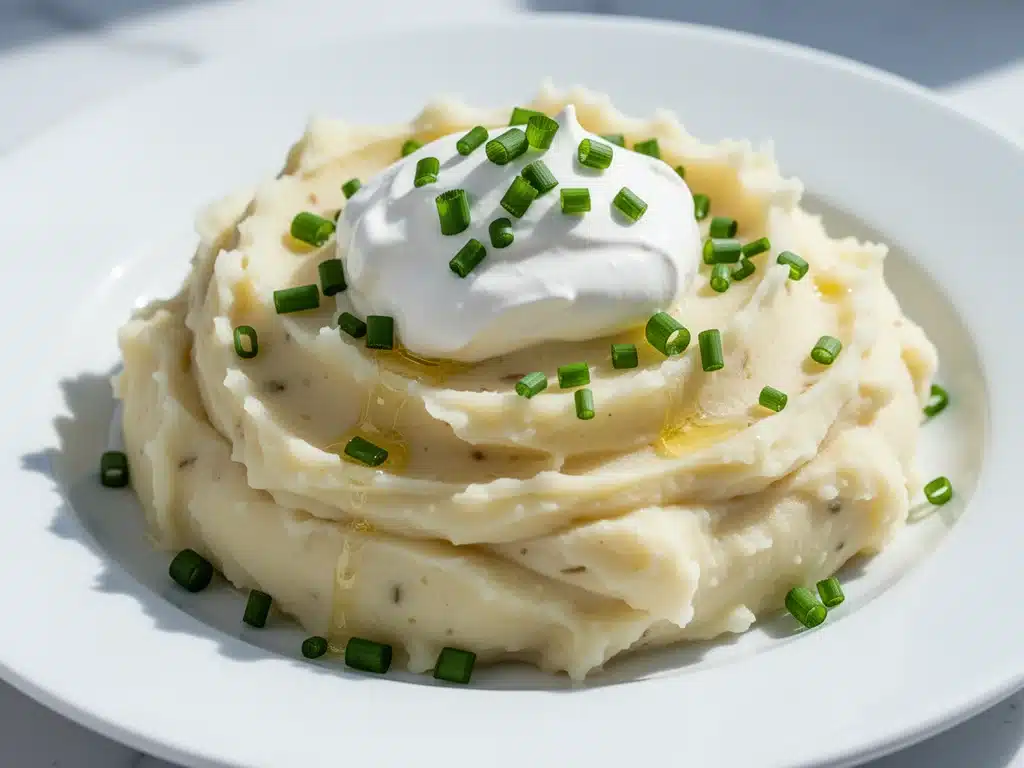
There is a specific kind of panic that sets in around 4 PM on Thanksgiving. The turkey is resting, the gravy is simmering, and the cranberry sauce is sitting in its can like a red brick of shame. Then, you look at the stove, and you realize you have forty minutes to make a side dish that needs to be perfect, creamy, and capable of feeding an army of relatives who will inevitably ask for “just a little more.”
For years, I was the person who stressed over potato selection, boiling times, and whether I should use a ricer or a food processor (spoiler: never a food processor). I burned my tongue on too many batches of under-seasoned mash. I’ve served lumpy, cold potatoes to guests who politely nodded and pushed them around their plates. It wasn’t until my sister-in-law, a chef who judges my life choices daily, tasted a bite of these specific creamy loaded mashed potatoes that she actually stopped talking and just… ate. Then she asked for the recipe. Then she took the bowl.
That was the moment I knew I had cracked the code. These aren’t just mashed potatoes. They are the creamy, cheesy, bacon-laden hero of the holiday table. They are rich enough to make your heart skip a beat but comforting enough to feel like a hug on a fork. I’ve tested this recipe through three Thanksgiving seasons, one Christmas, and a few impromptu Sunday suppers, tweaking the cheese ratios and bacon crispness until it was absolutely flawless.
If you want a side dish that gets compliments, clears the plate, and makes everyone feel like they’re being spoiled, this is it. I’m sharing exactly how I make them, including the secrets to getting that ultra-smooth texture and the loaded toppings that make them unforgettable.
Why You’ll Love This Holiday Side Dish
I’ve made a lot of potato dishes in my life, from rustic smashed potatoes to fancy gratins, but these creamy loaded mashed potatoes have permanently stolen the spotlight. Here’s why they’ve become my non-negotiable holiday staple:
- Zero Lumps Allowed — Seriously, if you’ve ever been served a chunk of potato that you had to cut with a knife, you know the horror. This recipe uses a ricer (or a very patient hand-mashing technique) to guarantee a texture that’s as smooth as silk. It’s the difference between “okay” and “wow.”
- Loaded Without the Guilt (Much) — I call them “loaded” because they’re piled high with sharp cheddar, crispy bacon, and chives. But because the potato base is so light and fluffy, you don’t feel sluggish afterward. It’s indulgence that feels good.
- Make-Ahead Friendly — This is the biggest selling point for holiday hosts. You can prep these up to 24 hours in advance. They sit in the fridge, and when you’re ready, you just reheat them gently. This frees up your oven space for the turkey and your brain space for not crying over spilled wine.
- Flavor Bomb — Most mashed potatoes are just salty and buttery. These have depth. The sharp cheddar cuts through the richness, the bacon adds a smoky crunch, and the chives bring a fresh pop. It’s a complete flavor profile in one bite.
- Crowd-Pleasing — I’ve served these to my vegan cousin (who was sad she couldn’t eat them, but still complimented the aroma), my picky nephew (who ate three helpings), and my foodie uncle (who asked for the brand of cheddar). Everyone wins.
This is the dish that turns a good dinner into a memorable one. It’s comfort food elevated by technique and topped with everything good in life.
Ingredients You’ll Need
Before we get into the nitty-gritty, let’s talk about what goes into this bowl. I’m particular about a few things here because they make a huge difference in the final texture and flavor. You don’t need anything exotic, but you do need quality basics.
For the Potato Base
Russet potatoes (3 pounds / 1.4 kg) — Yes, russets. Not Yukon Golds, not red potatoes. Russets have high starch and low moisture, which means they break down into fluffy, airy mash rather than gummy glue. Peel them before cooking. I know peeling is a chore, but the skin gets in the way of that smooth texture.
Unsalted butter (1 cup / 226g) — I use a full cup. That’s a lot of butter, I know, but it’s what makes them rich. If you’re feeling generous, use European-style butter like Kerrygold for extra richness. Cut it into cubes before adding so it melts evenly.
Heavy cream (1 cup / 240ml) — Warm this up! Adding cold cream to hot potatoes cooks them down and makes them gluey. Warm cream keeps them fluffy. You can microwave it for 30 seconds or heat it in a saucepan.
Garlic (4 cloves, minced) — Raw garlic in mashed potatoes can be harsh. I sauté my garlic in the butter before adding the cream to mellow it out. It adds a savory depth without the bite.
Salt and black pepper — Use kosher salt for easier control. You’ll need about 2 teaspoons for the potatoes, plus more for the boiling water.
For the Loaded Toppings
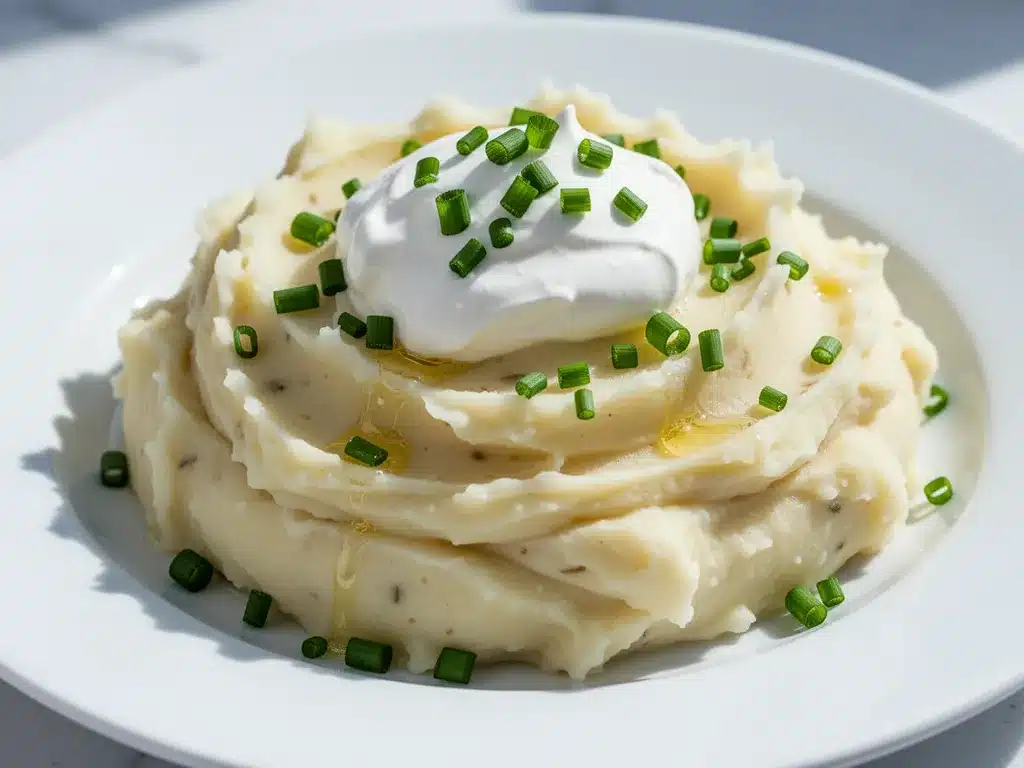
Sharp cheddar cheese (2 cups / 200g, shredded) — Buy a block and shred it yourself. Pre-shredded cheese has cellulose coating that prevents it from melting smoothly, leaving you with stringy, grainy bits. Sharp cheddar has a strong flavor that stands up to the potatoes.
Bacon (8 slices, cooked and crumbled) — Use thick-cut bacon for better texture. Cook it until it’s crispy, then crumble it into bite-sized pieces. Save a few strips whole for garnish if you want to show off.
Green onions or chives (½ cup, chopped) — Chives are more delicate and elegant; green onions add a sharper bite. I use a mix of both. They add color and freshness to cut the heaviness.
Sour cream or crème fraîche (½ cup / 120g) — This adds a tangy brightness that balances the fat. Crème fraîche is richer and less likely to curdle, but sour cream works fine too.
Optional: Cheddar cheese soup — For extra creaminess and cheese flavor, some people add a can of condensed cheddar soup. I don’t use it because I prefer the texture of real cheese, but if you want that classic “loaded” vibe, it’s an option.
Equipment Needed
You don’t need a fancy kitchen to make this. Here’s what I actually use:
Large stockpot — You need enough room for 3 pounds of potatoes to move around in water. A 6-quart pot is perfect. If you’re using a smaller pot, you’ll need to cook in batches.
Peeler — A standard Y-peeler works fine. Just get all the skin off.
Colander — For draining the potatoes. Make sure it’s big enough to handle the volume.
Potato ricer — This is the secret weapon. It forces the potatoes through tiny holes, eliminating lumps instantly. If you don’t have one, a masher works, but you’ll need to mash for a long time. A food processor is a no-go—it turns potatoes into glue.
Large mixing bowl — Something big enough to hold the potatoes, butter, cream, and cheese. A 4-quart bowl is ideal.
Wooden spoon or spatula — For folding everything together. You want to mix gently to keep the texture light.
Small skillet — For cooking the bacon. Cast iron is great for this because it gets nice and crispy.
Grater — For shredding the cheese. A box grater works well. Use the large holes for best melting results.
How to Make It: Step-by-Step
Alright, let’s get cooking. This process is straightforward, but timing matters. I’m walking you through exactly how I do it to ensure success.
Step 1: Prep the Potatoes
Peel the russet potatoes and cut them into uniform chunks—about 2-inch pieces. Uniformity is key here. If some pieces are tiny and others are huge, the small ones will disintegrate while the big ones are still hard. Toss them in a large pot and cover with cold water by about an inch. Add a generous pinch of salt to the water.
Step 2: Boil Until Tender
Bring the water to a boil over high heat, then reduce to a steady simmer. Cook the potatoes for 15-20 minutes. Test them by piercing a piece with a fork. It should slide in and out like butter with zero resistance. If there’s any firmness, keep cooking. Drain them in a colander and let them sit for 2-3 minutes to steam off excess moisture. Dry potatoes mean fluffier mash.
Step 3: Rice the Potatoes
While the potatoes are still hot, press them through the potato ricer into your large mixing bowl. This might take a minute, but it’s worth it. If you don’t have a ricer, mash them aggressively with a potato masher until they’re as smooth as possible. Avoid using a food processor or blender—it overworks the starch and creates a gummy texture.
Step 4: Add the Butter and Cream
Add the cubed butter to the hot riced potatoes. The heat from the potatoes will melt the butter. Then, slowly pour in the warm heavy cream. Stir gently with a wooden spoon to combine. The mixture should look like a thick, fluffy cloud. If it looks too dry, add a splash more cream. If it looks soupy, let it sit for a minute to absorb.
Step 5: Fold in the Cheese and Seasoning
Add the shredded cheddar cheese, salt, and pepper. Fold it in gently. You don’t want to overmix, or the cheese might break down too much and make the mash heavy. Just fold until the cheese is mostly melted and distributed. Taste and adjust seasoning. You might need more salt or pepper. Remember, the bacon and cheese are salty, so go easy on the salt initially.
Step 6: Add the Bacon and Green Onions
Fold in half of the crumbled bacon and half of the chopped green onions. Reserve the rest for topping. Mix gently until incorporated. The mixture should be creamy, cheesy, and speckled with green and brown.
Step 7: Serve or Store
Transfer the mashed potatoes to a serving dish. Top with the remaining bacon, green onions, and a extra sprinkle of cheddar if you like. Serve immediately while hot. If making ahead, let them cool completely, cover tightly with plastic wrap, and refrigerate. Reheat gently in the oven at 350°F (175°C) with a splash of cream or milk, covered with foil, for 20-30 minutes.
Expert Tips & Tricks
Here’s everything I’ve learned from making these dozens of times. These tips will save you from my mistakes.
Warm Your Dairy
This is the #1 tip. Cold cream and butter seize up the hot potatoes, creating lumps and a dense texture. Warm your cream and butter before adding. It takes 30 seconds in the microwave, but it changes everything.
Don’t Skip the Ricing
I know it’s extra work, but a ricer removes air pockets and ensures uniformity. If you mash by hand, you’ll inevitably have lumps. A ricer is worth the investment if you make mashed potatoes often.
Use Sharp Cheddar
Mild cheddar is too subtle. You want a cheese that punches through the potato flavor. Sharp or extra-sharp cheddar is ideal. If you want extra richness, mix in some Gruyère or Parmesan.
Crispy Bacon is Non-Negotiable
Soggy bacon in creamy potatoes is a tragedy. Cook your bacon until it’s very crispy, then crumble it. The contrast of crunchy bacon in soft mash is what makes this dish special.
Season in Layers
Don’t just salt at the end. Salt the boiling water, salt the potatoes after mashing, and taste before adding cheese. Cheese is salty, so adjust accordingly.
Variations & Substitutions
Once you’ve nailed the basic version, here’s how you can mix it up. I’ve tried all of these.
Truffle Mushroom Version
Add sautéed mushrooms and a drizzle of truffle oil. Fancy and earthy. Great for fall dinners.
Buffalo Chicken Version
Shred cooked chicken and toss it in buffalo sauce. Fold it into the mash. Top with ranch drizzle. Game day perfection.
Vegetarian Loaded
Swap bacon for crispy fried onions or roasted broccoli bits. Still loaded, just plant-based.
Lighter Version
Use half-and-half instead of heavy cream, and reduce butter to ½ cup. Use less cheese. It’s still good, just lighter.
Gluten-Free
All ingredients are naturally gluten-free. Just check your bacon and cheese labels for hidden gluten.
Serving & Storage
How to Serve
I serve these straight from the bowl at the dinner table. They look rustic and stay warm. Pair them with roasted turkey, glazed carrots, and green bean casserole for a classic holiday spread.
Storage
Store leftovers in an airtight container in the fridge for up to 4 days. The sauce will thicken in the fridge—totally normal.
Reheating
Best method: Add to a skillet with a splash of milk or cream over low heat. Stir until heated through and creamy again. Microwave method: Heat in 30-second intervals, stirring between. Add a splash of milk if it’s too thick. Never works: Trying to reheat in the pot you cooked it in. It always burns on the bottom. Ask me how I know.
Freezing
Honestly, this doesn’t freeze well because of the dairy. The sauce separates when thawed. Make it fresh or store in the fridge for up to 4 days.
Nutrition Information
I’m not a nutritionist, but here’s the breakdown if you’re tracking.
Per Serving (based on 8 servings):
- Calories: 480
- Protein: 12g
- Carbs: 35g
- Fiber: 3g
- Sugar: 2g
- Fat: 32g
- Saturated Fat: 18g
- Cholesterol: 85mg
- Sodium: 650mg
- Calcium: 300mg
What’s Good:
– Decent protein from cheese and potatoes
– Calcium from the cheese
– Can add vegetables to boost nutrition
– More filling than it looks
What to Know:
– Higher in calories from cream and cheese
– Contains dairy
– Moderate sodium (use low-sodium bacon to reduce)
My Take:
“Look, this is comfort food with cream and cheese. It’s not a diet recipe. But it’s way better than takeout, costs less, and I know exactly what’s in it. When I want to make it lighter, I use the half-and-half version and load up on vegetables. But usually? I just eat a reasonable portion and enjoy it.”
Final Thoughts
So that’s my go-to creamy loaded mashed potatoes! I’ve probably talked your ear off at this point, but when you make a recipe this often, you have a lot to say about it.
This has saved holiday dinners more times than I can count. It’s my answer to “what’s for dinner” when I’m tired, don’t want takeout, and still want something that tastes really good. My kids are happy, my husband’s happy, and I’m happy because I’m not stressed about cooking.
Make it yours! Try different add-ins, swap in your favorite vegetables, adjust the garlic (though more is always better in my opinion). The best recipes are the ones you adapt to your family’s tastes.
If you make this, drop a comment and let me know what you think! I love hearing how recipes turn out in your kitchen. And if something doesn’t work, tell me that too—I’m here to help troubleshoot.
Happy cooking! And I hope your kitchen smells half as good as mine does right now.
Frequently Asked Questions
Can I use Yukon Gold potatoes instead of Russets?
You can, but the texture will be different. Yukon Golds are waxy and creamy, while Russets are starchy and fluffy. If you use Yukon Golds, you’ll need less butter and cream because they’re naturally creamier. They’ll be denser, but still delicious. I prefer Russets for that light, airy feel.
My sauce came out watery—what happened?
Usually means you didn’t let the potatoes steam dry enough after draining, or you added too much cream. Let the riced potatoes sit for a few minutes to evaporate excess moisture. If it’s already watery, put it back on low heat and stir until it thickens. The cheese will also help thicken it.
Can I make this ahead for a dinner party?
Absolutely. This is one of the best make-ahead dishes. Prepare the mash, let it cool, cover tightly, and refrigerate for up to 24 hours. When ready to serve, reheat gently in the oven at 350°F (175°C) with a splash of cream, covered with foil, for 20-30 minutes. Stir before serving.
Why did my mash get gluey?
You likely overmixed it or used a food processor. Overworking potatoes releases too much starch, making them gummy. Use a ricer or masher, and mix gently. Also, avoid using waxy potatoes like red potatoes.
Can I use milk instead of heavy cream?
You can, but the mash will be less rich and creamy. If you want to try it, use whole milk and add a little extra butter. Half-and-half is a better middle ground. Heavy cream gives that luxurious texture that makes these potatoes special.
How do I reheat leftovers without it getting dry?
Add a splash of milk or cream to a skillet, add your leftover mash, and heat gently over low heat, stirring frequently. The extra liquid brings back the creamy texture. Microwave sort of works but tends to dry it out. If you do microwave, definitely add a splash of milk first and heat in short bursts, stirring between.
Can I double this recipe?
Yes, but you’ll need a larger pot and mixing bowl. The cooking times stay the same. I do this when I’m feeding a crowd. Just make sure your skillet is big enough for the bacon—you might need to cook in batches.
Pin This Recipe!
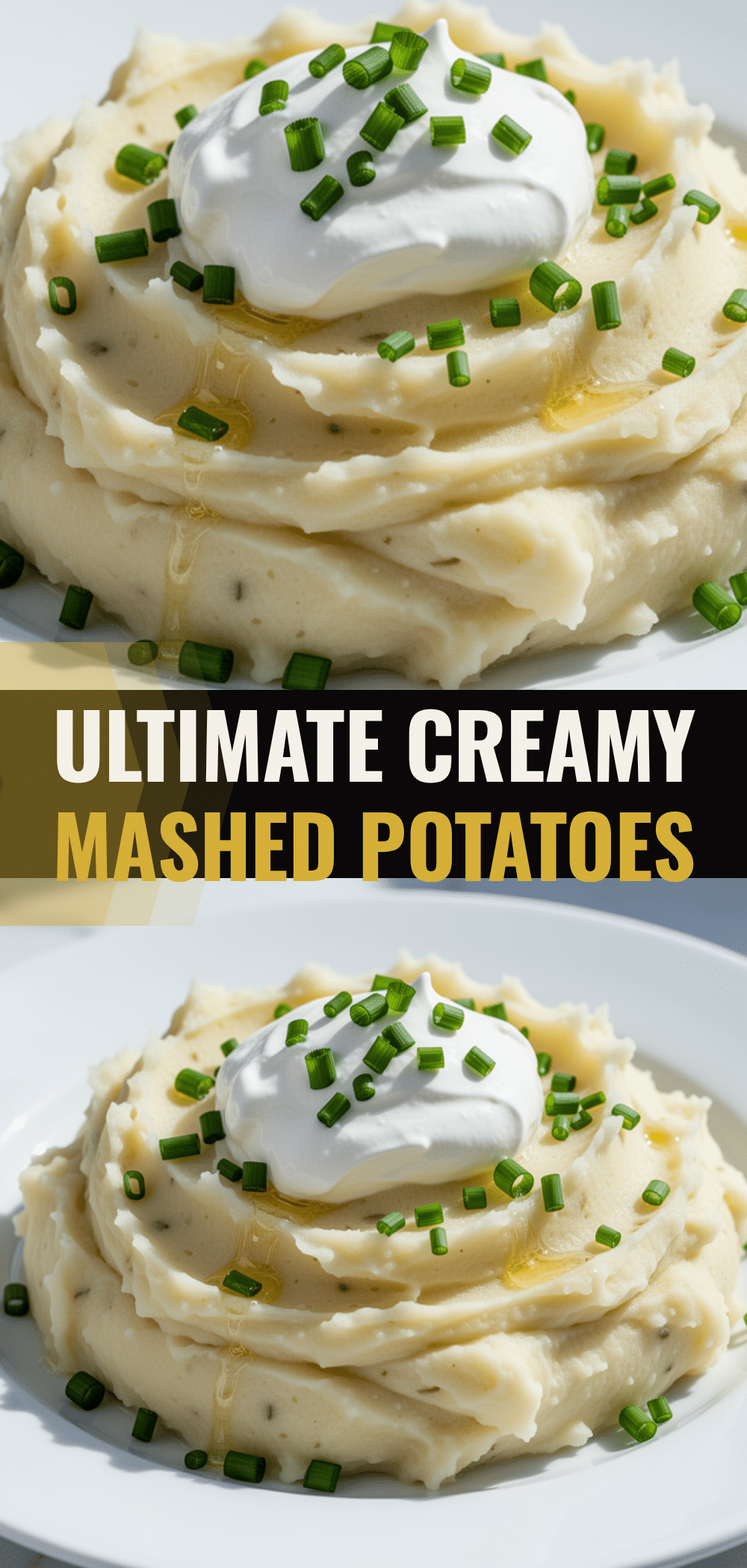

Creamy Loaded Mashed Potatoes: Easy Holiday Side Dish
- Total Time: 45 minutes
- Yield: 8 servings 1x
Description
Ultra-smooth, fluffy mashed potatoes loaded with sharp cheddar, crispy bacon, and chives. This make-ahead friendly recipe guarantees a lump-free, rich, and comforting holiday side dish.
Ingredients
- 3 pounds Russet potatoes, peeled and cut into 2-inch chunks
- 1 cup unsalted butter, cut into cubes
- 1 cup heavy cream, warmed
- 4 cloves garlic, minced
- 2 teaspoons kosher salt (plus more for boiling water)
- Black pepper to taste
- 2 cups sharp cheddar cheese, shredded
- 8 slices thick-cut bacon, cooked and crumbled
- 1/2 cup green onions or chives, chopped
- 1/2 cup sour cream or crème fraîche
Instructions
- Peel potatoes and cut into uniform 2-inch chunks. Place in a large stockpot and cover with cold water by an inch. Add a generous pinch of salt.
- Bring water to a boil, then reduce to a steady simmer. Cook for 15-20 minutes until potatoes are tender and pierce easily with a fork.
- Drain potatoes in a colander and let them sit for 2-3 minutes to steam off excess moisture.
- While potatoes are hot, press them through a potato ricer into a large mixing bowl. Avoid using a food processor.
- Add cubed butter to the hot riced potatoes; the heat will melt the butter. Slowly pour in the warm heavy cream and stir gently with a wooden spoon.
- Add shredded cheddar cheese, salt, and pepper. Fold gently until cheese is mostly melted and distributed.
- Fold in half of the crumbled bacon and half of the chopped green onions.
- Transfer to a serving dish and top with remaining bacon, green onions, and extra cheddar if desired. Serve immediately.
- For make-ahead: Cool completely, cover tightly, and refrigerate for up to 24 hours. Reheat gently in the oven at 350°F (175°C) with a splash of cream, covered with foil, for 20-30 minutes.
Notes
Warm your dairy (butter and cream) before adding to prevent lumps and ensure a fluffy texture. Use a potato ricer for the smoothest consistency; avoid food processors as they make the potatoes gummy. Salt the boiling water and the potatoes in layers for best flavor. If making ahead, reheat gently with added liquid to restore creaminess.
- Prep Time: 15 minutes
- Cook Time: 30 minutes
- Category: Side Dish
- Cuisine: American
Nutrition
- Serving Size: 1/8 of the recipe
- Calories: 480
- Sugar: 2
- Sodium: 650
- Fat: 32
- Saturated Fat: 18
- Carbohydrates: 35
- Fiber: 3
- Protein: 12
Keywords: mashed potatoes, holiday side dish, thanksgiving recipes, creamy mashed potatoes, loaded mashed potatoes, bacon mashed potatoes, cheddar mashed potatoes, make ahead side dish


