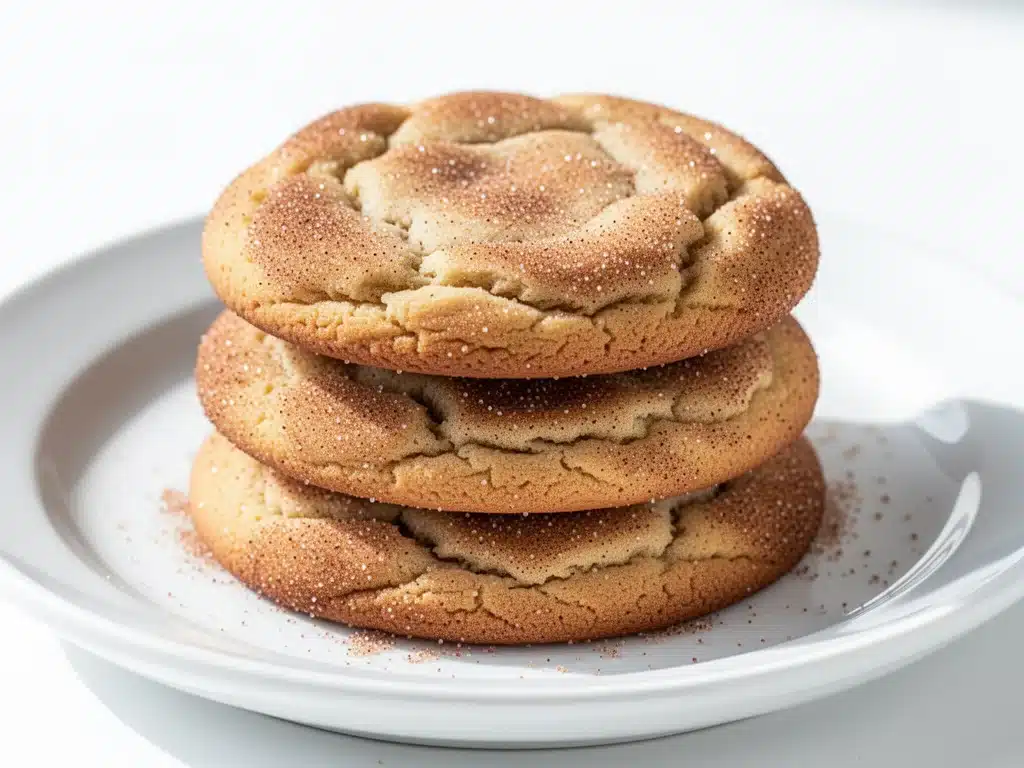
It was 11:30 PM on a Tuesday, and I was standing in my kitchen, staring at a bowl of cookie dough that had clearly been in the fridge too long. My husband was asleep upstairs, my kids were dreaming of cartoons, and I had a craving so specific it felt like a physical ache. I wanted something sweet, but not too sweet. Something soft, but with a little bit of resistance. Something that smelled like cinnamon and made me feel like it was still 1995 and my grandma was baking in her yellow-tiled kitchen.
I pulled out the dough. It was cold, firm, and perfect. I scooped it, rolled it in sugar, and popped it in the oven. Twenty minutes later, the smell hit me—that warm, spicy, buttery scent that instantly lowers blood pressure. When I pulled the tray out, they were exactly what I hoped for. Crinkly on top, soft and chewy in the middle, and coated in that crackly cinnamon-sugar crust that shatters slightly when you bite into them.
I ate one. Then another. Then I put the rest in a tin and left it on the counter “just in case” someone woke up hungry. (They didn’t. I ate them all.)
That night, I realized I’d finally cracked the code. I’ve made chewy snickerdoodle cookies dozens of times over the years, tweaking ratios, testing baking powders, and even trying to bake them in a toaster oven once (do not try that). But this version? This is the one. It’s the recipe my friends steal when I bring them to parties. It’s the one that gets texted to me at 2 PM with the subject line “HELP ME.” It’s the chewy snickerdoodle cookies with cinnamon sugar coating that everyone always asks for, and I’m finally sharing it with you.
There’s something magical about this cookie. It’s not just sugar and flour. It’s about that tangy kick from the cream of tartar, the chew that comes from chilling the dough, and the way the cinnamon sugar creates a delicate shell that gives way to a pillowy center. If you’ve ever struggled with cookies that spread too thin or taste flat, you’re going to love this one. Let’s get baking.
Why You’ll Love This Recipe
I know, I know. There are a million cookie recipes out there. Chocolate chip, oatmeal raisin, peanut butter… why snickerdoodles? Here’s the thing: snickerdoodles are the comfort food of the cookie world. They’re nostalgic without being heavy. And this specific version? It’s engineered for texture.
That Perfect Chew — Most snickerdoodle recipes bake up crisp or cakey. Mine stays soft. I’ve tested this with different flours and temperatures, and chilling the dough for at least 24 hours is the non-negotiable secret. It hydrates the flour and prevents spreading, giving you that thick, chewy center everyone is obsessed with.
The Crinkly Top — You know that beautiful, cracked surface on a good snickerdoodle? That’s not an accident. It’s the result of rolling the dough balls in sugar *before* baking, not after. The sugar caramelizes slightly in the oven, creating that signature crinkle. It’s visual ASMR, and it tastes even better than it looks.
Tangy & Sweet Balance — The cream of tartar gives these cookies their distinct tang. It cuts through the sweetness so you can eat three in a row without feeling guilty. It’s sophisticated flavor, but it tastes like childhood. My dad, who claims he doesn’t like “fancy” cookies, asks for these by name.
Make-Ahead Friendly — I make the dough on Sunday, roll it into balls, and keep them in the fridge. When Tuesday night hits, I just scoop, roll, and bake. Fresh cookies in 15 minutes. No stress. No mess. Just pure joy.
This is my go-to when I need to impress neighbors, bring a treat to school, or just need a hug in cookie form. It’s reliable, delicious, and always, always a hit.
Ingredients You’ll Need
Here’s the best part: you probably have most of this already. But I’m going to be honest—quality matters here, especially with the butter and the cinnamon. Don’t skimp. These cookies are simple, which means every ingredient shines.
Unsalted Butter (1 cup / 226g) — This is your base. Softened to room temperature. Not melted, not cold. If you poke it, it should leave an indent but not sink in. I use high-quality European butter like Kerrygold when I want them extra rich, but regular store brand works fine too.
Granulated Sugar (1 ½ cups / 300g) — Half goes into the dough, half goes into the coating. Use standard white granulated sugar. Brown sugar? No. We want that pure, clean sweetness here, not the molasses flavor that would distract from the cinnamon.
Eggs (2 large / 100g) — Room temperature. Cold eggs can seize up your butter mixture. If I forget, I run them under warm water for a minute. Don’t skip this step; it helps the dough emulsify properly.
Vanilla Extract (2 teaspoons / 10ml) — Real vanilla. Not imitation. The difference is huge in a cookie with this few ingredients. I use McCormick or Nielsen-Massey. It adds depth that makes the sugar taste more complex.
All-Purpose Flour (2 ¾ cups / 340g) — Spoon and level, don’t scoop. Scooping packs the flour in and leads to dry cookies. I use Gold Medal or King Arthur. If you only have cake flour, it’ll work but they’ll be more tender, less chewy.
Cream of Tartar (2 teaspoons / 8g) — This is the secret weapon. It provides the tang and helps with the chew. Don’t substitute with baking soda alone. You need the acid-base reaction for that specific snickerdoodle texture. If you can’t find it, you might want to look for a different recipe.
Baking Soda (1 teaspoon / 5g) — Works with the cream of tartar to lift the cookies slightly. Just enough to keep them from being dense.
Salt (½ teaspoon / 3g) — Enhances all the flavors. Don’t skip it. Sweet cookies need salt to taste balanced.
Ground Cinnamon (1 tablespoon / 6g) — For the dough. Use a good quality cinnamon. If yours smells dusty, it’s time to replace it. I keep mine in a small jar in a cool, dark place.
For the Coating:
Granulated Sugar (½ cup / 100g) and Ground Cinnamon (1 teaspoon / 2g) — Mix these in a small bowl. This is what creates the crackly top. I use a slightly finer grind of cinnamon for the coating so it sticks better.
Personal Tip: I always measure my flour by weight if I have a scale (340g is precise), but if you’re using cups, fluff the flour first, spoon it into the cup, and level it off. It makes a world of difference in consistency.
Equipment Needed
You don’t need fancy gadgets for this. Here’s what I actually use in my kitchen.
Stand Mixer or Hand Mixer — I use my KitchenAid because it’s consistent, but a hand mixer works perfectly fine. You need to cream the butter and sugar until it’s pale and fluffy, which takes about 3-4 minutes. If you’re doing this by hand, bring a workout.
Large Mixing Bowl — If you’re using a hand mixer, you need a deep bowl so the sugar doesn’t fly out. I use a 5-quart stainless steel bowl.
Baking Sheets — Two half-sheet pans. I use the heavy-duty aluminum ones from Costco. They conduct heat evenly. Dark non-stick pans can cause the bottoms to burn, so if you use those, lower your oven temperature by 25 degrees.
Parchment Paper — Non-negotiable. I line my sheets every time. It prevents sticking and makes cleanup a breeze. You can use silicone mats, but parchment gives a slightly better bake on the bottom.
Cooling Rack — For cooling the cookies after baking. If you leave them on the hot pan, they’ll keep cooking and get too crisp.
Small Bowls — One for the cinnamon-sugar coating. I use ramekins.
Cookie Scoop — I use a 1.5-tablespoon scoop. It ensures uniform size so they bake evenly. If you don’t have one, a tablespoon works, but you’ll need to eyeball the sizes.
Optional: A kitchen scale for precise flour measurement. It’s the single best investment for consistent baking.
How to Make It: Step-by-Step
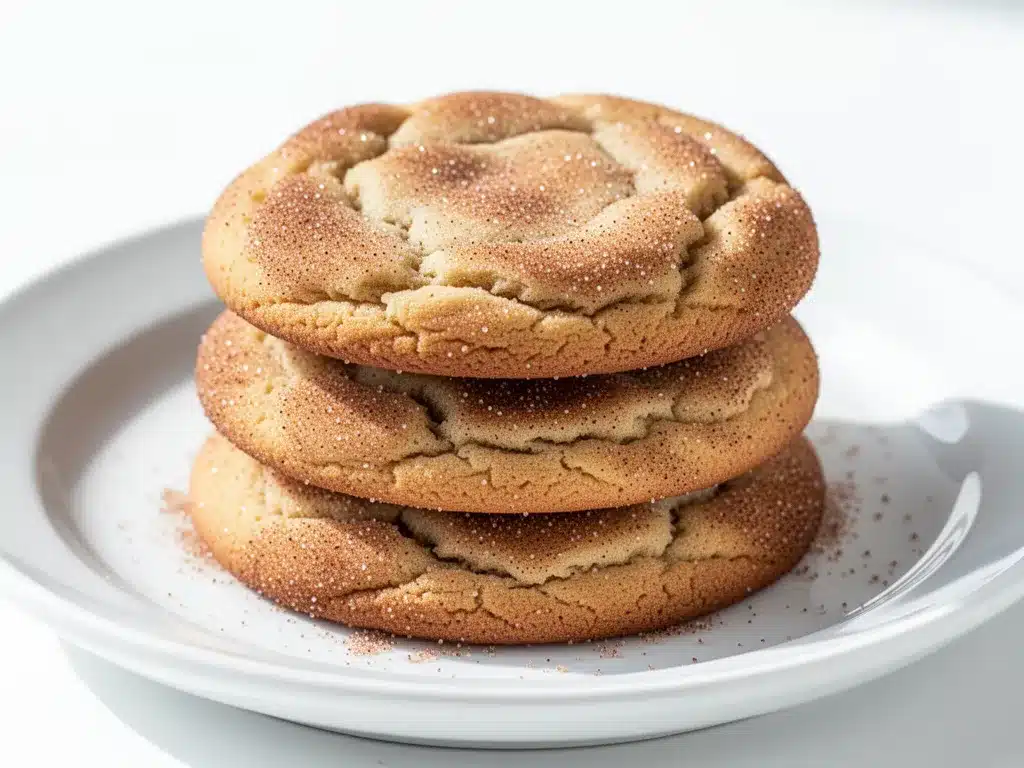
Alright, let’s make these chewy snickerdoodle cookies. I’m walking you through exactly how I do it, including the little tricks that keep them soft.
Step 1: Cream the Butter and Sugar (3-4 minutes)
In the bowl of your stand mixer fitted with the paddle attachment, beat the softened butter and granulated sugar on medium-high speed. This is crucial. You’re not just mixing; you’re incorporating air. The mixture should look pale yellow and fluffy, like frosting. If it looks yellow and dense, you haven’t beaten it long enough. This air is what gives the cookies their structure.
Step 2: Add Eggs and Vanilla
Reduce speed to medium. Add the eggs one at a time, mixing just until combined after each. Scrape down the sides of the bowl with a spatula. Add the vanilla extract. Mix again. The mixture should look smooth and slightly glossy.
Step 3: Whisk Dry Ingredients
In a separate medium bowl, whisk together the flour, cream of tartar, baking soda, salt, and ground cinnamon. Whisking ensures the leavening agents are evenly distributed. If you skip this, you might get a bite of pure baking soda taste. Not fun.
Step 4: Combine Wet and Dry
With the mixer on low, gradually add the dry ingredients to the wet. Mix until *just* combined. Stop as soon as you no longer see streaks of flour. Overmixing develops gluten, which makes cookies tough. We want tender, chewy, not bread-like. The dough will look thick and slightly sticky.
Step 5: Chill the Dough (Crucial Step)
Cover the bowl with plastic wrap or a damp towel. Refrigerate for at least 24 hours, up to 3 days. This is the secret to the chew. It allows the flour to fully hydrate and the flavors to meld. If you’re impatient, you can chill for 1 hour, but the cookies will spread more and be less chewy. Trust me on this. I’ve tested it.
Step 6: Make the Cinnamon Sugar Coating
In a small shallow bowl, mix the ½ cup granulated sugar with the 1 teaspoon cinnamon. Set aside. If your cinnamon is coarse, pulse it in a food processor for a few seconds to make it finer. It sticks better and creates a smoother coating.
Step 7: Roll and Bake
Preheat your oven to 375°F (190°C). Line baking sheets with parchment paper. Scoop the dough into 1.5-tablespoon balls. Roll each ball in the cinnamon-sugar mixture until fully coated. Place them on the baking sheets, about 2 inches apart. They will spread.
Bake for 9-11 minutes. You want the edges to be just set and lightly golden, but the centers still soft and puffy. They will look slightly underbaked. This is correct. They will firm up as they cool.
Step 8: Cool
Let the cookies sit on the baking sheet for 5 minutes. Then transfer to a cooling rack. If you leave them on the sheet too long, they’ll overcook. If you move them too soon, they might break. Five minutes is the sweet spot.
Total Time: About 20 minutes active, plus 24 hours chilling. (But honestly, the chilling is passive, so it’s mostly hands-off.)
Expert Tips & Tricks
Here’s everything I’ve learned from making these for my family, my church bake sales, and my neighbors. These tips will save you from my mistakes.
Don’t Overbake
This is the #1 mistake. Snickerdoodles continue to cook on the hot pan after you take them out. If they look done in the oven, they’ll be done by the time they cool. Pull them when the edges are just starting to turn golden. The centers should still look soft and slightly shiny.
Room Temperature Ingredients
If your butter is too cold, it won’t cream properly. If it’s melted, your cookies will spread into flat discs. Aim for butter that yields to gentle pressure but doesn’t leave a greasy residue on your finger.
Chill, Chill, Chill
I cannot stress this enough. The 24-hour chill is what makes them chewy. If you skip it, you’re making a different cookie. If you’re short on time, roll the dough into balls, freeze them for 30 minutes, then bake. It’s not as good, but it’s better than nothing.
Use a Cookie Scoop
Uniform size means uniform baking. If some are big and some are small, the small ones burn while the big ones are raw. A scoop ensures consistency.
Double-Check Your Cream of Tartar
It’s cheap and lasts forever in the pantry. Make sure yours isn’t old. If it doesn’t fizz when you add a drop of vinegar, it’s dead. Replace it.
Storage Hack
Store cookies in an airtight container with a slice of bread. The bread releases moisture into the container, keeping the cookies soft for days. I do this all the time. It’s a grandma trick that actually works.
Variations & Substitutions
Once you’ve nailed the basic version, here’s how you can mix it up. I’ve tried all of these, and they’re all good.
Double Chocolate Snickerdoodle
Add 2 tablespoons of unsweetened cocoa powder to the dry ingredients. They become richer and more intense. Great for chocolate lovers.
Snickerdoodle Blondies
Press the dough into a square baking pan and bake at 350°F for 20-25 minutes. Top with extra cinnamon sugar. They’re dense, chewy, and perfect for bars.
Gluten-Free Version
Use a 1-to-1 gluten-free flour blend (like Bob’s Red Mill or King Arthur). The texture is almost identical. I’ve used both and can’t tell the difference.
Vegan Version
Replace butter with vegan butter sticks (not tub margarine). Replace eggs with two flax eggs (2 tablespoons ground flaxseed + 6 tablespoons water, rested for 5 minutes). They’re still delicious, though slightly more delicate.
Spiced Variation
Add ½ teaspoon of nutmeg or cardamom to the cinnamon sugar. It adds a warm, aromatic depth. Great for fall.
Mini Snickerdoodles
Roll the dough into 1-inch balls and bake for 7-8 minutes. Perfect for party platters or gift boxes. Kids love these because they’re bite-sized.
Serving & Storage
How to Serve:
I usually serve these warm, right off the cooling rack, with a cold glass of milk. Classic. But they’re also great at room temperature for packing in lunchboxes or taking to picnics.
Side Dishes:
They pair well with coffee, tea, or hot chocolate. For a dessert spread, serve them alongside fruit tart or ice cream. The cinnamon flavor complements vanilla ice cream beautifully.
Storage Instructions:
Room Temperature: Store in an airtight container for up to 5 days. They stay soft if you keep them sealed. If they start to crisp up, add that slice of bread.
Freezing: You can freeze the dough balls! Roll them in sugar, place them on a baking sheet, freeze until solid, then transfer to a freezer bag. Bake straight from frozen, adding 1-2 minutes to the bake time. This is my favorite meal-prep hack.
Reheating: If you want them warm, microwave for 10-15 seconds. They’ll be soft and gooey. Don’t overdo it, or they’ll get tough.
Pro Tip: If you’re gifting them, pack them in a tin with parchment paper between layers. They’re fragile when fresh, but firm up after a day. Add a handwritten note about the “secret ingredient” (chilling the dough) for a fun touch.
Nutrition Information
I’m not a nutritionist, but here’s the breakdown if you’re tracking. Keep in mind these are estimates based on standard ingredients.
Per Cookie (makes about 24 cookies):
– Calories: 140
– Protein: 2g
– Carbs: 22g
– Fiber: 0.5g
– Sugar: 14g
– Fat: 6g
– Saturated Fat: 4g
– Cholesterol: 25mg
– Sodium: 80mg
What’s Good:
– They’re relatively small, so portion control is easier than with larger cookies.
– The cinnamon may help regulate blood sugar slightly (though the sugar content outweighs this benefit).
What to Know:
– Higher in sugar and saturated fat, as expected for a cookie.
– Not suitable for vegan or gluten-free diets unless modified.
My Take:
Look, these are treats. Enjoy them as such. They’re better than store-bought, and you control the quality. When I make them for my kids, I use organic butter and vanilla. It’s worth the extra cost for peace of mind.
Final Thoughts
So that’s my recipe for chewy snickerdoodle cookies with cinnamon sugar coating. I’ve talked your ear off, but when you love a recipe this much, you want to share every detail.
These cookies have saved me on countless occasions. They’re my answer to “What should I bring?” and my reward for a hard week. They’re simple, but they’re not basic. They require patience (the chill), but the payoff is worth every minute.
Make them your own. Try different extracts, add chocolate chips, or just enjoy them as they are. The best recipes are the ones you adapt to your life. And if you make these, I want to hear about it. Did you use the 24-hour chill? Did you double the cinnamon? Let me know in the comments.
Happy baking! And I hope your kitchen smells amazing.
Frequently Asked Questions
Why are my snickerdoodles flat?
Usually, this means the butter was too warm when you started, or you didn’t chill the dough. If the butter is too soft, it spreads before the structure sets. Also, check your baking soda and cream of tartar—they need to be fresh to provide lift. If you’re using a dark pan, lower the oven temp.
Can I use brown sugar instead of white?
You can, but it changes the flavor. Brown sugar adds molasses notes and moisture, which makes them chewier but less traditional. The classic snickerdoodle is white sugar only. If you want a twist, try half white, half brown.
Why did my cookies spread too much?
This is often due to butter temperature or oven temperature. If your oven runs hot, the butter melts too fast. Use an oven thermometer to check. Also, ensure you’re not over-creaming the butter and sugar; too much air can cause initial rise followed by collapse.
Can I freeze the baked cookies?
Yes! Let them cool completely, then store in an airtight container or freezer bag. They’ll last for 2-3 months. Thaw at room temperature. The texture holds up well.
What if I don’t have cream of tartar?
You can substitute with 1 teaspoon of lemon juice or white vinegar, but the texture and tang will be different. The cream of tartar is key for that classic snickerdoodle flavor. It’s cheap, so I recommend keeping a box on hand.
How do I know when they’re done?
Look for set edges and a soft, puffy center. They should not look raw, but they shouldn’t look fully baked either. They firm up as they cool. If you’re unsure, err on the side of underbaking.
Can I make these gluten-free?
Yes, use a 1-to-1 gluten-free flour blend. The results are very similar to the original. Just ensure your baking soda and cream of tartar are certified gluten-free if you have celiac disease.
Pin This Recipe!
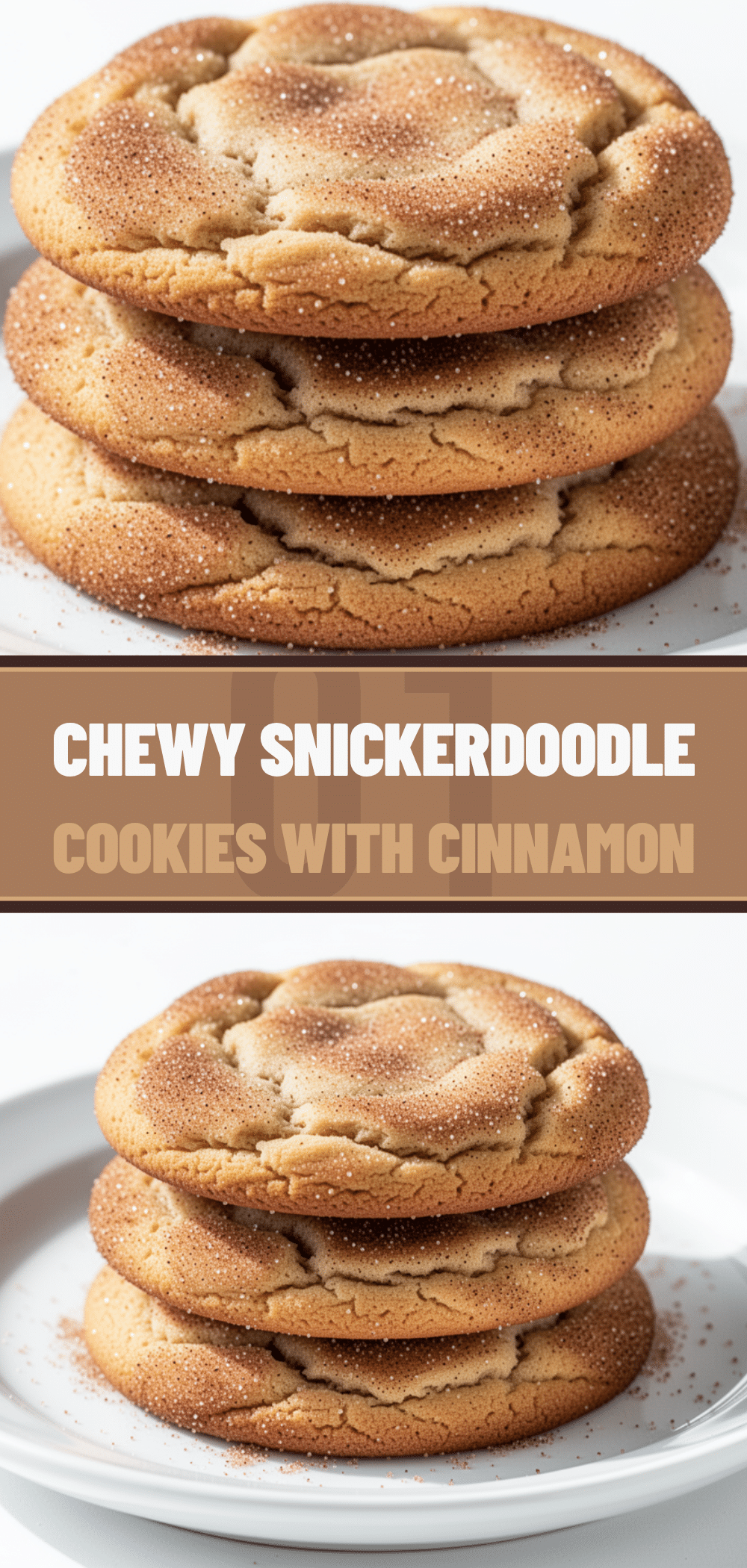
Chewy Snickerdoodle Cookies: Easy Homemade Recipe
- Total Time: 24 hours 31 minutes
- Yield: 24 cookies 1x
Description
These chewy snickerdoodle cookies feature a soft, pillowy center and a crackly cinnamon-sugar crust. The secret to their perfect texture is chilling the dough for 24 hours and using cream of tartar for a distinct tangy-sweet balance.
Ingredients
- 1 cup (226g) unsalted butter, softened to room temperature
- 1 ½ cups (300g) granulated sugar, divided
- 2 large eggs, room temperature
- 2 teaspoons vanilla extract
- 2 ¾ cups (340g) all-purpose flour
- 2 teaspoons (8g) cream of tartar
- 1 teaspoon (5g) baking soda
- ½ teaspoon (3g) salt
- 1 tablespoon (6g) ground cinnamon, for dough
- ½ cup (100g) granulated sugar, for coating
- 1 teaspoon (2g) ground cinnamon, for coating
Instructions
- In the bowl of a stand mixer fitted with the paddle attachment, beat the softened butter and 1 ½ cups granulated sugar on medium-high speed for 3-4 minutes until pale yellow and fluffy.
- Reduce speed to medium. Add eggs one at a time, mixing just until combined after each. Scrape down the sides of the bowl. Add vanilla extract and mix until smooth.
- In a separate medium bowl, whisk together the flour, cream of tartar, baking soda, salt, and 1 tablespoon ground cinnamon.
- With the mixer on low, gradually add the dry ingredients to the wet mixture. Mix until just combined; do not overmix. The dough will be thick and slightly sticky.
- Cover the bowl with plastic wrap or a damp towel and refrigerate for at least 24 hours (up to 3 days). This step is crucial for chewiness.
- Preheat oven to 375°F (190°C). Line baking sheets with parchment paper.
- In a small shallow bowl, mix ½ cup granulated sugar with 1 teaspoon cinnamon for the coating.
- Scoop dough into 1.5-tablespoon balls. Roll each ball in the cinnamon-sugar mixture until fully coated.
- Place balls on baking sheets about 2 inches apart.
- Bake for 9-11 minutes until edges are set and lightly golden, but centers still look soft.
- Let cookies sit on the baking sheet for 5 minutes, then transfer to a cooling rack to cool completely.
Notes
Chilling the dough for 24 hours is non-negotiable for the desired chewy texture. Do not overbake; cookies will firm up as they cool. Store in an airtight container with a slice of bread to maintain softness. For gluten-free version, use a 1-to-1 gluten-free flour blend. For vegan version, substitute butter with vegan butter sticks and eggs with flax eggs.
- Prep Time: 20 minutes
- Cook Time: 11 minutes
- Category: Dessert
- Cuisine: American
Nutrition
- Serving Size: 1 cookie
- Calories: 140
- Sugar: 14
- Sodium: 80
- Fat: 6
- Saturated Fat: 4
- Carbohydrates: 22
- Fiber: 0.5
- Protein: 2
Keywords: snickerdoodle cookies, chewy cookies, cinnamon sugar cookies, homemade cookies, cream of tartar cookies, easy baking recipe


